
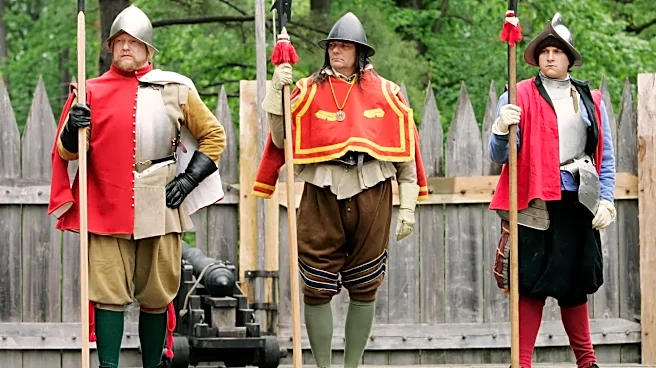
The Thanksgiving story seems written in stone: Pilgrims and Native Americans, sharing a peaceful meal. But nearly everything we 'know' comes from one side—a short letter from an English colonist. This single-source narrative is a historical distortion.
The Origin Story's Single Source
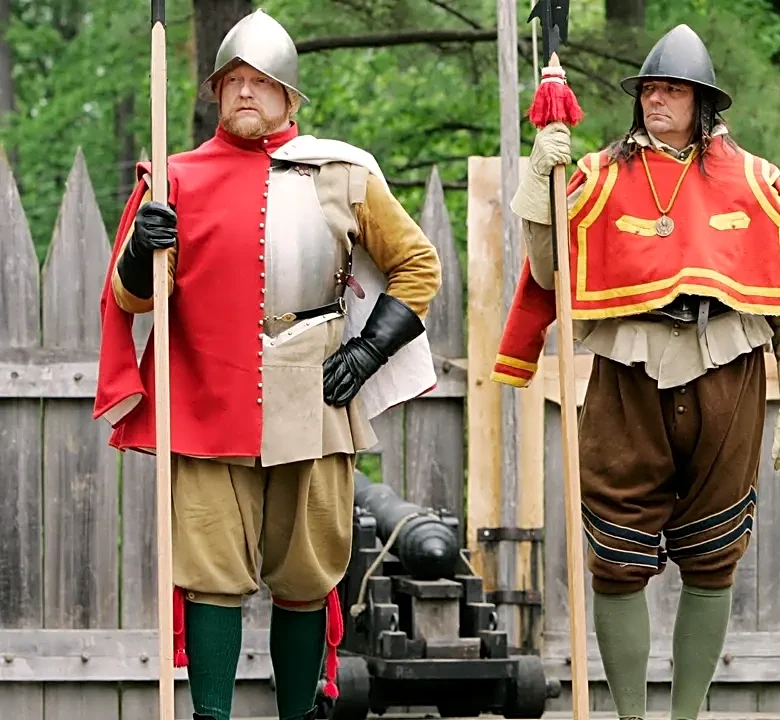
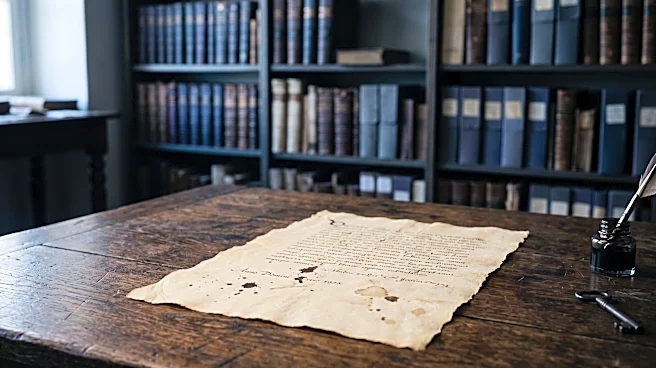
Almost the entire basis for the American Thanksgiving story rests on a 115-word passage in a letter by colonist Edward Winslow. Written in December 1621 and published in London a year later in a pamphlet called 'Mourt's Relation', it was essentially a promotional piece to attract more settlers. For centuries, this brief, one-sided account was largely forgotten, only to be rediscovered in the 19th century and retroactively labeled 'The First Thanksgiving'. It is one of only two English primary sources
that mention the event, and it is the only one that describes it in any detail. This means the foundation of a national myth is built on the perspective of just one of the two groups present.
Myth: A Friendly, Pre-Planned Dinner Party
The school-play version of the story is familiar: after a brutal first winter, the Pilgrims reaped a bountiful harvest and, in a gesture of friendship, invited their new Native American friends to a celebratory feast. This narrative paints a picture of premeditated harmony, where the English hosts welcomed their grateful guests for a shared moment of peace and cultural exchange. It’s a simple, heartwarming tale that suggests a relationship of equals, starting on the right foot. This version emphasizes the Pilgrims' generosity and the Wampanoag's happy attendance.
Reality: An Unannounced Arrival at a Tense Alliance
The historical context was far more complex. The Wampanoag, led by their sachem Ousamequin (also known as Massasoit), had been devastated by a plague brought by European traders years earlier. They saw the new, struggling English colony as a potential, if wary, ally against their rivals, the Narragansett. A treaty of mutual protection had been signed just months before. According to many Wampanoag historians, the harvest celebration, which included the English 'exercising our arms' (firing guns), likely drew Ousamequin and about 90 of his men to the settlement not as invited guests, but as a responsive force to investigate the commotion. Their arrival was likely a surprise to the roughly 50 colonists, a diplomatic and potentially tense encounter, not a scheduled dinner.
Myth: A Shared Feast of English Provision
The popular image features a long table laden with food provided by the Pilgrims, with the Wampanoag as polite recipients of this colonial bounty. The focus is on the turkey, the 'fowling' Winslow mentioned, and the harvest of English crops. This framing reinforces the idea of the Pilgrims as self-sufficient and generous hosts, establishing their new society and benevolently sharing its fruits with their neighbors.
Reality: A Diplomatic Potluck Fueled by a Wampanoag Hunt
Upon arriving and seeing a celebration underway, the Wampanoag stayed for three days. But they were not just passive guests. Ousamequin’s 90 men vastly outnumbered the English hosts. Realizing there was not enough food for everyone, the Wampanoag men went out, hunted, and brought back five deer to contribute to the feast. This single detail, present even in Winslow's letter, fundamentally changes the dynamic. It wasn't a one-way gift from the English; it was a communal, if impromptu, event where the Wampanoag provided the most substantial part of the protein. It was less a Pilgrim-hosted dinner and more a multi-day political summit centered around a shared meal.
The Consequence: A Day of Mourning
Treating Winslow's account as the whole story erases the Wampanoag's agency, political motivations, and contributions. It papers over the complex reality of a fragile alliance that would shatter within a generation, leading to war and the loss of Native land and sovereignty. For many Native Americans, the Thanksgiving holiday, built on this myth, is not a celebration but a painful reminder of colonization's devastating legacy. Since 1970, many have gathered in Plymouth on Thanksgiving for a National Day of Mourning, a protest against the erasure of Indigenous history and a solemn remembrance of their ancestors.