



The Thanksgiving table is set, but so is the tension. Many of us dread the inevitable debate over the holiday's complex history. But what if a more meaningful conversation could begin not with an argument, but with a question about the food?
An All-Too-Familiar Holiday Anxiety
For countless American families, the approach of the fourth Thursday in November brings a mix of warmth and weariness. We look forward to the comfort of seeing loved ones, but we also brace for the arguments that can erupt between the turkey and the pie. In recent years, one of the most fraught topics has become the history of Thanksgiving itself. The simplified story of a harmonious meal between Pilgrims and Native Americans is now widely understood to be incomplete, glossing over a painful and violent history of colonization.
For many Native Americans, the holiday is a Day of Mourning that recalls the genocide and displacement of their ancestors. This clash of perspectives—one of celebration, the other of sorrow—often plays out in tense debates across the dinner table, leaving family members feeling defensive, misunderstood, and more divided than before.
The Recipe Box as a Peace Offering
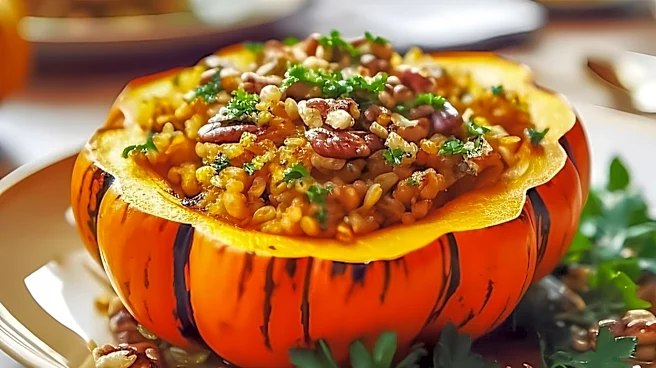
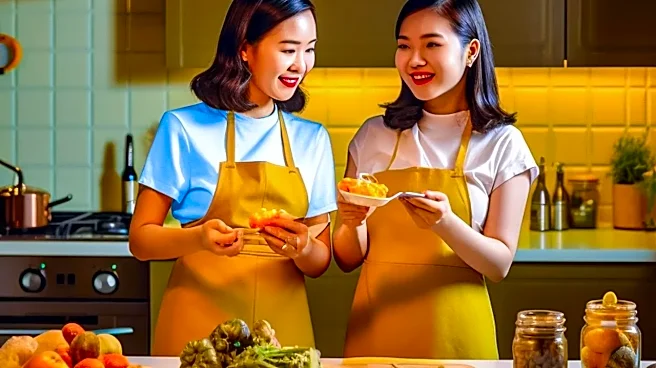
Instead of launching into a high-stakes historical debate, consider a different entry point: the food on your plate. A family recipe is more than a set of instructions; it is a time capsule. It’s a tangible link to the people who came before you and the lives they lived. Asking about your grandmother's cornbread dressing or the secret ingredient in your uncle's pecan pie can open a door to conversation that is personal, gentle, and rooted in a shared experience. Food and memory are inextricably linked. A simple question like, 'Who first made this dish in our family?' can unlock stories that build connection rather than conflict. This approach doesn't ignore the difficult history; it simply chooses a more human starting point.
From a Casserole to a Family Chronicle
The key is to ask open-ended questions that invite storytelling. When you admire the sweet potato casserole, ask where the recipe came from. You might learn that it was a dish your great-grandmother adapted during the Great Depression, sparking a conversation about resourcefulness and resilience. Perhaps the ingredients changed when your family moved from one part of the country to another, telling a story of migration within the larger American narrative. These handwritten or memorized recipes are historical documents in their own right, containing clues about a family's economic status, agricultural roots, and cultural exchanges. Following the thread of a single dish can lead you through your own family's social history—their triumphs, their hardships, and their journey. It transforms an abstract historical discussion into a personal investigation of where you come from.
Building a Bridge to a Broader History
Once you begin sharing and appreciating your own family's story of survival, adaptation, and tradition, a subtle shift can happen. You create an atmosphere of curiosity and empathy. By grounding the conversation in your personal heritage, you build a foundation for understanding the heritage of others. Discussing how your ancestors struggled and persevered can make it easier to connect with the much larger and more painful struggles of Indigenous peoples. This method is not about replacing the hard history with a feel-good story. It’s about building the emotional and intellectual muscle to engage with that history constructively. Starting with your own family's past makes the past itself feel more immediate and relevant. It fosters an understanding that 'history' isn't just something in a book; it's the collection of countless family stories, including those that have been silenced or ignored.