




1. The 'Pilgrims and Indians' Best Friends Story
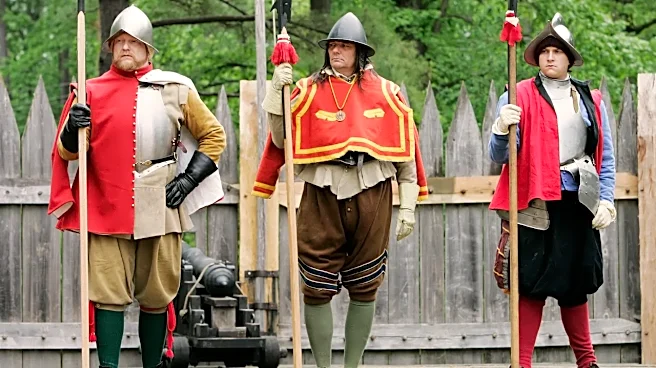
The classic tale of English settlers and Native Americans sharing a friendly meal is an oversimplification that erases a complex and often brutal history. The 1621 harvest meal wasn't a planned multicultural get-together. Historical accounts suggest the Wampanoag, led by Chief Massasoit, showed up with 90 warriors after hearing celebratory gunfire from the colony, possibly fearing an attack. While they did share a meal that lasted three days, this single event did not create a lasting peace. Instead of a simple friendship story, teach the reality. Explain that the relationship involved both cautious diplomacy and deep-seated conflict that intensified over time, leading to war and the displacement of Native peoples. Use specific names: they were
the English colonists and the Wampanoag Nation, not generic 'Pilgrims and Indians'.
2. Stereotypical Arts and Crafts
Construction paper headdresses, paper bag vests, and costumes that reduce diverse Native cultures to a single, cartoonish image need to go. These crafts perpetuate harmful stereotypes and trivialize sacred traditions. In many Native cultures, for example, feathers are earned and hold deep spiritual significance; they aren't for dress-up. A better approach is to focus on crafts that are culturally authentic and respectful. Instead of costumes, explore Wampanoag and other Indigenous art forms. Learn about beadwork, weaving, or the importance of natural materials. Or, shift the focus entirely to themes of gratitude and harvest. Children can create a 'gratitude tree' with leaves describing what they're thankful for or illustrate the seasonal foods central to the harvest.
3. Focusing Only on the 1621 Meal
Teaching Thanksgiving solely as a happy feast shared in 1621 ignores the broader Native American experience. For many Indigenous people, Thanksgiving is a reminder of colonization, land theft, and genocide. Since 1970, many have observed a National Day of Mourning in Plymouth, Massachusetts, on the same day. This protest and day of remembrance honors Native ancestors and acknowledges the ongoing struggles of Indigenous peoples. Broaden the curriculum to include this perspective. Introducing the concept of the National Day of Mourning provides a more complete and honest historical picture. It helps students understand that history has multiple viewpoints and that the same event can hold vastly different meanings for different people.
4. Portraying Native Americans as a Monolithic Group
The Thanksgiving story often lumps all Native Americans into one group, erasing the immense diversity of Indigenous cultures across the continent. There were, and are, hundreds of distinct nations, each with its own language, government, and traditions. The tribe at the 1621 harvest was the Wampanoag Nation. Use their name. Talk about where they lived and their way of life. Furthermore, teach that Native American history didn't end in the 17th century. It’s crucial to show that Indigenous people are a vibrant part of contemporary American society, not just historical figures. Invite local tribal members to speak if possible, explore the websites of nearby Native nations, and use resources from organizations like the National Museum of the American Indian to highlight the present-day lives and contributions of Indigenous peoples.
5. The Myth of the Peaceful, Invited Guest
The simplified story often implies the Wampanoag were simply invited guests at a Pilgrim-hosted party. The reality is more nuanced. The Wampanoag, having seen their population decimated by diseases brought by earlier European traders, were navigating a complex political landscape. Their presence at the feast was likely a mix of diplomacy, fact-finding, and a reassertion of their presence on their own land. In fact, after seeing the feast was not a battle, the Wampanoag warriors went out and brought back five deer, contributing significantly to the meal. This wasn't just a friendly drop-in; it was an interaction between two sovereign peoples trying to figure each other out. Explaining this context gives students a richer understanding of the motivations and power dynamics at play, moving beyond a fairy tale and into real history.