

The Myth: A Pious Gathering in Black and White
The most famous depiction of the first Thanksgiving comes from Jean Leon Gerome Ferris, an artist who painted 'The First Thanksgiving at Plymouth' around 1912. His work, and others like it by artists such as Jennie Augusta Brownscombe, shows the Pilgrims dressed in somber black clothing with large white collars and buckled hats. The scene is serene and harmonious, with Native Americans seated quietly on the ground as if they are humble guests at a solemn religious event. This imagery, created 300 years after the fact during a period of colonial revivalism, was designed to forge a national identity rooted in peace and divine blessing.
The Reality: A Colorful, Secular Harvest Festival
The 1621 event wasn't a 'Thanksgiving' in the religious sense the Pilgrims would have understood; it was a three-day
secular harvest celebration rooted in English tradition. And their clothing was far from drab. Estate records from the period describe colorful garments in red, blue, green, and violet. The all-black attire was typically reserved for Sundays and formal occasions, not a multi-day outdoor party. Those iconic buckled hats? A 19th-century fabrication that wasn't in fashion until much later.
The Myth: A Planned Potluck Between Friends
The paintings suggest a pre-planned, friendly dinner where Pilgrims graciously hosted their Native neighbors. The imagery conveys a sense of established friendship and mutual goodwill. It's a sanitized version of events that implies the two groups came together out of simple kindness, laying the foundation for a harmonious future.
The Reality: A Tense, Spontaneous Political Alliance
The historical context was far more complex and fraught with tension. The Wampanoag, led by their leader Ousamequin (also known as Massasoit), had been devastated by diseases introduced by earlier European contact, weakening them against rival tribes like the Narragansett. They formed an alliance with the colonists for mutual protection. The arrival of about 90 Wampanoag men at the Plymouth settlement was likely uninvited, possibly prompted by the sound of celebratory gunfire, which they came to investigate. This gathering of roughly 50 colonists and 90 warriors was less a friendly meal and more a diplomatic necessity—a temporary and fragile truce between two deeply wary groups.
The Myth: Turkey, Stuffing, and Pumpkin Pie
Our modern Thanksgiving table is what we project onto the 1621 feast. We imagine a roasted turkey as the centerpiece, alongside stuffing, potatoes, cranberry sauce, and, of course, pumpkin pie. This menu has become synonymous with the holiday's origin story, reinforcing the link between our traditions and that historic day.
The Reality: Venison, Wild Fowl, and Corn
The actual menu was quite different. The only two foods confirmed by primary sources from attendee Edward Winslow are wild fowl and deer. The Wampanoag guests provided five deer, making venison a main course. While wild turkey was available, it's just as likely the 'fowl' included goose, duck, and even passenger pigeons. The feast would have also included corn (likely as bread or porridge), beans, squash, and local seafood like lobster, mussels, and eels. With no wheat flour or butter, there were no pies, and potatoes had not yet been introduced to New England.
The Myth: Generic 'Indians'
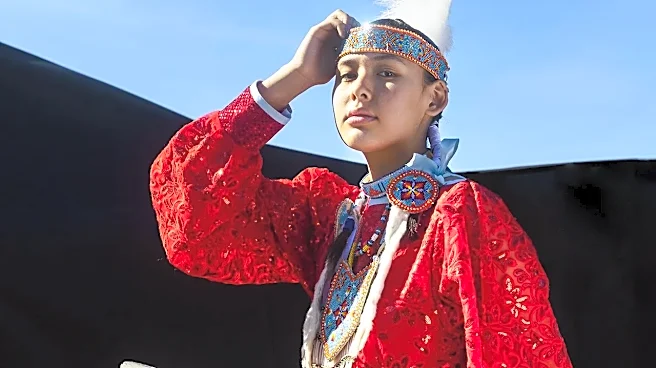
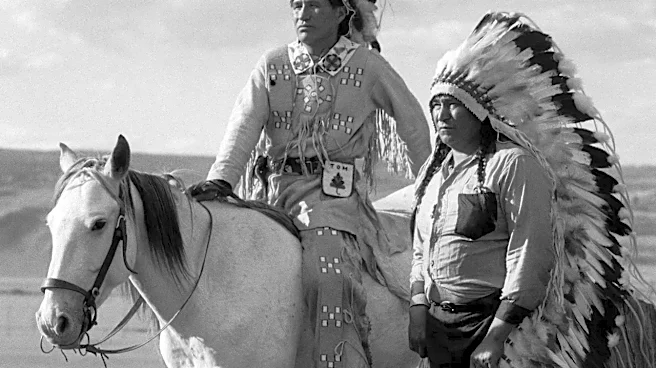
The paintings often depict the Native Americans in inaccurate, generic attire. Specifically, many artists gave them the feathered war bonnets characteristic of Plains tribes, who lived thousands of miles away and had no contact with the colonists. This artistic choice flattens distinct Indigenous cultures into a single, stereotypical image, erasing the specific identity of the Wampanoag people.
The Reality: The Wampanoag Nation
The people at the feast were the Wampanoag, the 'People of the First Light', who had inhabited the land for millennia. Far from being passive recipients of Pilgrim charity, they were instrumental to the colonists' survival, teaching them how to cultivate native crops like corn and how to fish and hunt in the region. They were a sovereign nation navigating a perilous new political landscape. The romanticized paintings not only get their clothing wrong but also obscure their critical role and agency in the story.