




1. The Guest and Delegation Ledger
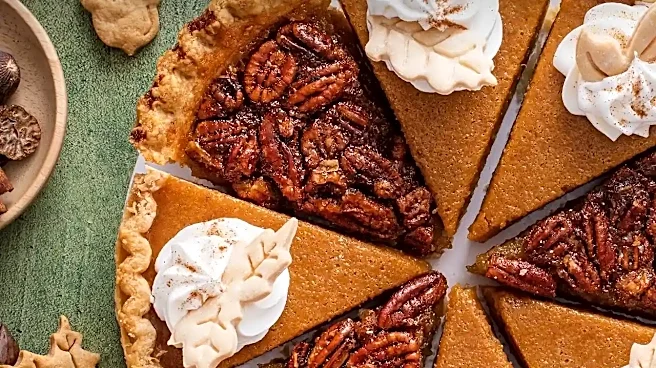
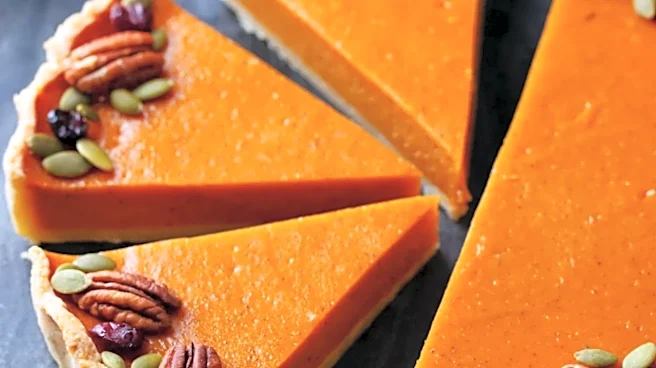
Move beyond a simple guest count. Create a master list with columns for each guest's name, their RSVP status, any dietary restrictions, and a crucial fourth column: 'Contribution'. When guests inevitably ask 'What can I bring?', you'll be ready. Instead of saying 'Oh, anything!', you can consult your ledger and say, 'Would you be able to bring a dessert? We have pies covered, but a fruit tart would be amazing'. This approach makes guests feel genuinely helpful and prevents you from ending up with five identical green bean casseroles. You can also use this list to delegate non-food tasks, like asking someone to arrive early to manage drinks or take coats, turning your guests into a collaborative team.
2. The Master Menu and Oven Matrix
The single biggest source of Thanksgiving
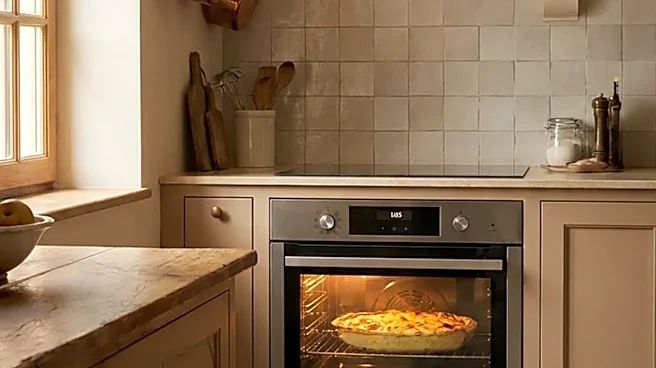
day stress is the oven traffic jam. A menu matrix prevents this. Create a simple grid. List every dish you plan to make down the left side. Across the top, create columns for 'Cooking Method' (oven, stovetop, slow cooker, no-cook), 'Temperature', and 'Cook Time'. Filling this out reveals potential conflicts long before the turkey goes in. You might realize that three side dishes need a 400-degree oven at the same time the turkey needs to be at 325. This allows you to adjust your menu, perhaps swapping a roasted vegetable for a fresh salad or a slow-cooker mashed potato recipe. The goal isn't to overcomplicate, but to ensure your cooking plan is based on the reality of your kitchen appliances.
3. The Reverse-Timeline Cooking Schedule
A standard to-do list is good; a reverse timeline is better. Start with your desired dinner time—let's say 3:00 PM. Work backward from there. If the turkey needs to rest for 30 minutes before carving, it must come out of the oven at 2:30 PM. If it needs three hours to cook, it must go in at 11:30 AM. Continue this process for every single dish. The rolls need to be warmed for 10 minutes? They go in at 2:45 PM, after the turkey is out. The gravy needs to be made on the stovetop while the turkey rests? That task starts at 2:35 PM. This simple worksheet provides an hour-by-hour, and even minute-by-minute, guide for the day, eliminating panicked guesswork and ensuring everything is ready at the same time.
4. The Full Inventory Audit
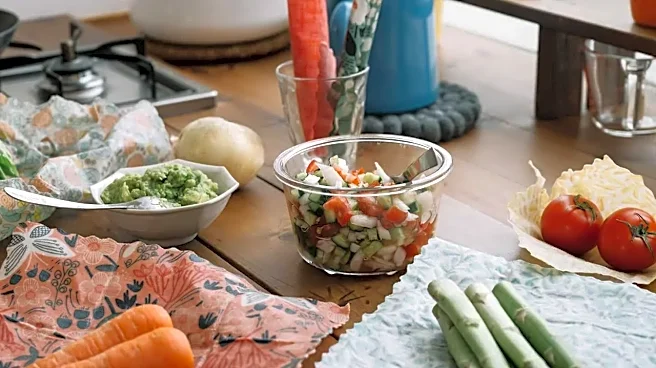
There are few feelings worse than realizing you're out of chicken broth or don't own a meat thermometer on Thanksgiving morning. Avoid this with a two-part inventory audit a week or two ahead of time. First, go through every recipe and create one master grocery list, checking your pantry for what you already have. Don't forget non-food items like aluminum foil, parchment paper, and to-go containers for leftovers. The second part of the audit is for equipment. Do you have a big enough roasting pan? A fat separator for the gravy? Serving spoons for every dish? Laying out all your serving platters and utensils on the table a few days early helps you see any gaps and prevents the last-minute scramble to find a bowl for the cranberry sauce.
5. The Day-Of 'Zone' Map
The final hour before dinner can feel like a contact sport in the kitchen. A simple zone map brings order to the chaos. Sketch a rough layout of your kitchen and entertaining areas. Designate a specific spot for everything. Create a self-serve drink station away from the main cooking area to prevent bottlenecks. Decide where guests will put their coats and bags. Clear a dedicated 'landing zone' on the counter for hot dishes coming out of the oven and another spot for the turkey to rest undisturbed. This simple visual plan helps manage the flow of people and food, allowing you to focus on finishing touches instead of directing traffic. It also makes it easier for helpers to pitch in without needing constant instruction.