





1. Anchor the Mood with a Central Glow
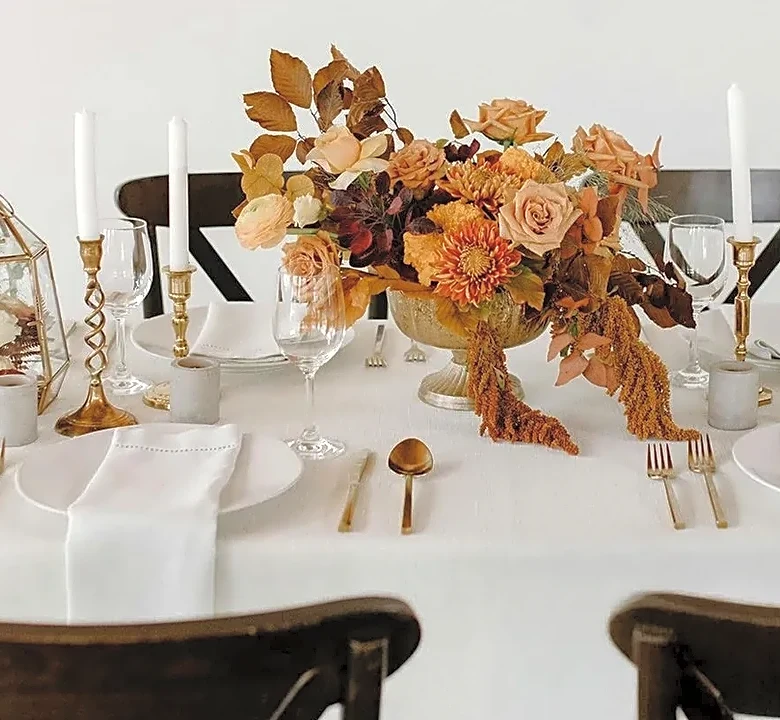
The most powerful light source is the one at the heart of your table. This is where candles, lanterns, or battery-operated LEDs create an intimate focal point. A cluster of unscented taper candles in varied heights, or a low-profile lantern, draws guests' focus inward, encouraging connection. The key is to keep the flames or bulbs below eye level so everyone can see each other across the table. This central pool of light makes the table feel like its own little world, separate from the rest of the room, turning a simple meal into a special occasion. For safety, always use stable holders and keep flammable decorations like paper place cards and dry foliage a safe distance away.
2. Soften the Overhead Light
A single, bright overhead fixture can feel harsh and clinical, casting
unflattering shadows. If you have a chandelier or pendant light over your table, the goal is to make it a source of soft, ambient light, not a spotlight. Installing a dimmer switch is the single most effective upgrade for a dining space, allowing you to dial down the brightness to a gentle halo. Aim for about 25-30% of its full power. This provides enough general light to see your food and company, but lets the more intimate lights on the table do the real work of creating atmosphere. If you don't have a dimmer, consider swapping the standard bulbs for ones with a lower wattage or a warmer color temperature (around 2700K) to achieve a similar, cozier effect.
3. Create Warmth from the Periphery
A common mistake is to light only the table, leaving the rest of the room in darkness. This can make the space feel smaller and less welcoming. To avoid this 'stage' effect, layer in light from the sides of the room. This is called peripheral lighting. Placing table lamps on a nearby sideboard or buffet, or a floor lamp in a corner, creates a soft, surrounding warmth. This technique adds depth to the room and eliminates harsh shadows, making the entire space feel like a gentle embrace. It ensures that as guests get up or move around, they aren't stepping from a bright bubble into total darkness.
4. Use Accent Lights to Make Food Shine
Lighting doesn't just affect mood; it affects how appetizing your food looks. A high Color Rendering Index (CRI) of 90 or above ensures that the colors of your Thanksgiving feast appear true and vibrant, not dull or grayish. While you may not be changing your main fixtures, you can add small, targeted 'accent' lights to make the dishes pop. Weave a delicate string of battery-powered micro-LEDs (sometimes called fairy lights) through a centerpiece garland or around serving platters. This adds a subtle sparkle and highlights the textures and colors of the turkey, cranberry sauce, and pies, making the food itself part of the decor.
5. Embrace the Living Flicker of Candlelight
Beyond just providing light, the gentle, dynamic movement of a real flame makes a space feel alive. The subtle dance of a candle's flicker is something static electric bulbs can't replicate, creating an atmosphere of warmth and intimacy. For the safest and most pleasant experience, use unscented candles on the dining table to avoid interfering with the aroma of the food. If you're concerned about open flames with children or pets around, modern flameless LED candles offer a surprisingly realistic flicker without the risk. Whether real or battery-operated, the simple act of lighting candles signals a shift from the everyday to the celebratory, inviting everyone to relax and linger.