





The Power of a Presidential Proclamation
Think of a presidential proclamation as an official, public announcement. Most are ceremonial, used to declare things like 'National Pizza Day' or to honor specific groups. Crucially, a proclamation does not create a new law and isn't legally binding on its own. It’s a powerful way for a president to make a statement, draw attention to a cause, or encourage a national mood, but it can't force citizens to act. The tradition of Thanksgiving proclamations began long before the holiday was legally established. George Washington issued the first one in 1789, at the request of Congress, designating a day for 'publick thanksgivin'. Abraham Lincoln famously issued a proclamation in 1863, during the Civil War, that set the precedent for an annual Thanksgiving on the last
Thursday of November. However, these were essentially presidential recommendations, carrying moral weight but not the force of law.
The Unmistakable Force of a Law
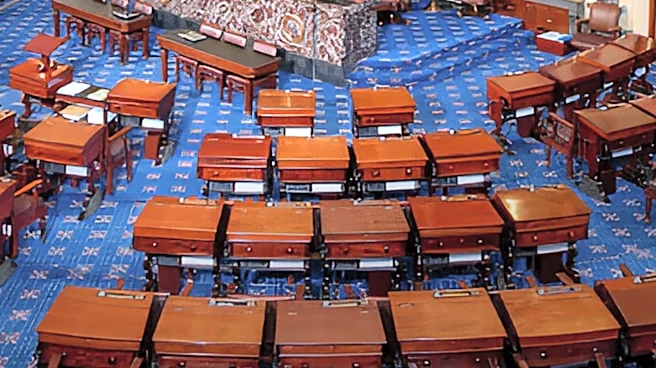
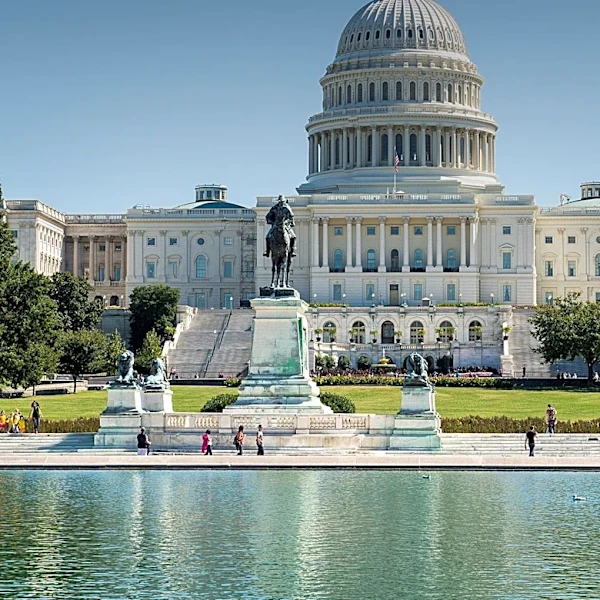
A law, on the other hand, is a completely different beast. For a federal law to exist, it must start as a bill in either the House of Representatives or the Senate. The bill has to be debated, amended, and passed by a majority vote in both chambers of Congress. Once both the House and Senate approve an identical version of the bill, it goes to the president's desk. If the president signs it, it becomes law—a binding, enforceable rule for the entire country. Unlike a proclamation, a law creates new legal obligations, rights, or directives that the government and citizens must follow. The process is intentionally difficult, designed to ensure that laws have broad support before they can impact everyone's lives.
The Thanksgiving Story: From Tradition to Law
For decades, Thanksgiving existed as a tradition anchored by presidential proclamations. Presidents from Washington to Lincoln encouraged its observance, but states weren't legally required to follow suit. This system worked until the 1930s, when President Franklin D. Roosevelt decided to move Thanksgiving a week earlier to extend the Christmas shopping season during the Great Depression. The move caused national confusion. Dubbed 'Franksgiving' by critics, about half the states adopted the new date while the other half stuck with the traditional one. For two years, Americans were split on when to carve the turkey. To end the chaos, Congress stepped in. In 1941, it passed a joint resolution—which is a type of law—officially establishing the fourth Thursday of November as the legal, national holiday for Thanksgiving. President Roosevelt signed it into law on December 26, 1941, settling the date once and for all.
Why This Civics Lesson Still Matters
The story of Thanksgiving is a perfect, real-world example of the separation of powers. A president can use the 'bully pulpit' and the formal power of a proclamation to lead, persuade, and establish traditions. This is the executive branch’s 'soft power'. However, only Congress holds the power to legislate—to create binding, permanent laws for the nation. While a presidential proclamation can kickstart a tradition or respond to an event, it took an act of Congress to give Thanksgiving its official, unchanging spot on the calendar. The annual proclamation still happens, honoring the tradition started by Washington and Lincoln, but it’s the 1941 law that makes it a day off for federal employees and cements its place in American life.