




2020: The Holiday of High Alert
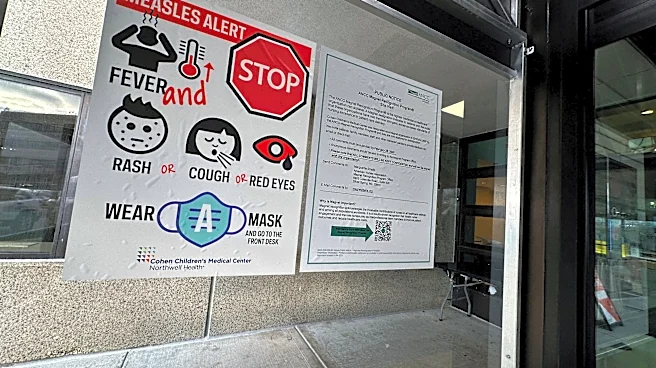
In the fall of 2020, with the COVID-19 pandemic raging and no vaccines available, the message from public health officials was stark and clear: the safest way to celebrate Thanksgiving was to stay home. For those who did gather with anyone outside their immediate household, the guidance was strict. The Centers for Disease Control and Prevention (CDC) urged Americans to hold small, outdoor dinners if possible, maintain social distance, and, crucially, wear a mask whenever not actively eating or drinking. Recommendations included designating one person to serve food to limit shared utensils and even bringing your own plates and cups. This approach was born from a climate of fear and uncertainty, with cases surging across the country and small household gatherings
identified as a significant source of transmission. Masking wasn't just a suggestion; it was framed as a fundamental act of protection for family and community.
Vaccines Arrive, but Confusion Lingers
By Thanksgiving 2021, the landscape had changed, but not entirely. Vaccines were widely available, offering a powerful layer of protection and a deep sense of hope. Yet, the sense of a clear, unified strategy began to fracture. The rise of the Delta variant and the looming threat of Omicron meant that guidance was often a mixed message. While vaccinated individuals felt more confident, the advice for multi-household gatherings still included precautions. Experts recommended that even the vaccinated should consider masking indoors, especially when around elderly or immunocompromised relatives. Public opinion on masking, which had been relatively high, remained strong but was heavily influenced by political affiliation and geography. This period marked the beginning of a major shift: where 2020 was about following universal public health directives, 2021 became more about personal risk assessment.
The Symbolic End and the Psychological Shift
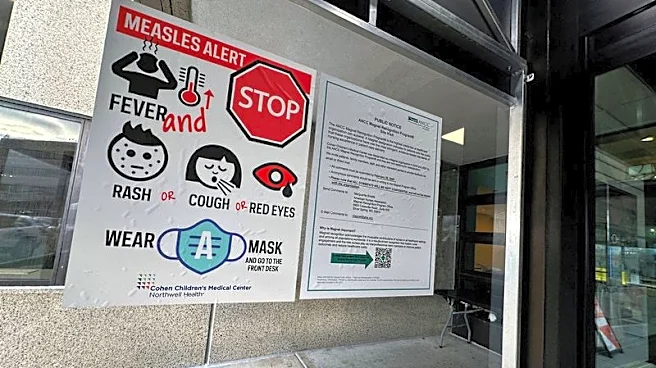
The most significant turning point came in May 2023, with the official end of the federal COVID-19 Public Health Emergency in the United States. While not a declaration that the virus had vanished, it was a powerful symbolic move. This policy change signaled a transition from a collective crisis response to an individual management phase. With the end of the emergency came changes to the availability of free tests and the cessation of mandatory data reporting from states to the CDC. This had a profound psychological impact. For many Americans, it marked the official 'end' of the pandemic mindset. Mask mandates had already been disappearing in most public spaces, and their necessity in healthcare settings was even being questioned. The idea of masking for a holiday gathering, once a civic duty, increasingly became a personal choice, often reserved for those who were high-risk or visiting someone who was.
2026: A New Holiday 'Normal'
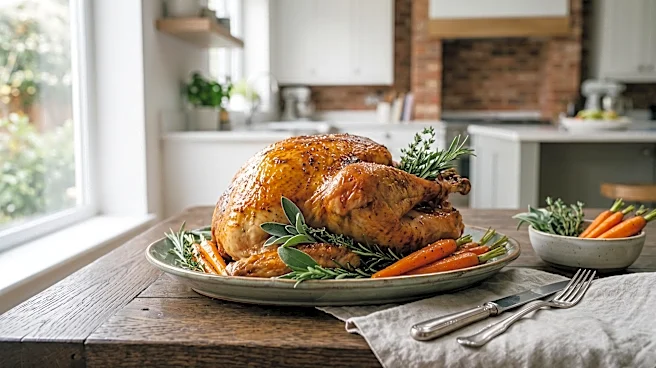
Fast forward to Thanksgiving 2026. The conversation around holiday safety has evolved completely. Public health guidance, from the CDC and others, now focuses on a broader suite of respiratory viruses, including influenza and RSV, not just COVID-19. The primary recommendations are to stay up-to-date on vaccinations for all three viruses, practice good hand hygiene, and, most importantly, stay home if you feel sick. Masking is still mentioned, but its role has been redefined. It is now presented as an optional, additional layer of protection, particularly for those who are immunocompromised, elderly, or in crowded indoor settings. There is no widespread call for masking at the family dinner table. The USDA's 2026 Thanksgiving guidance focuses entirely on food safety—thawing turkeys and handling leftovers—without a single mention of COVID-19 precautions. The mask, once the central artifact of a pandemic-era Thanksgiving, has largely returned to its pre-2020 status: a tool for specific medical or personal situations, not a staple of the holiday.