

Myth: The Pilgrims Wore Black with Buckled Hats
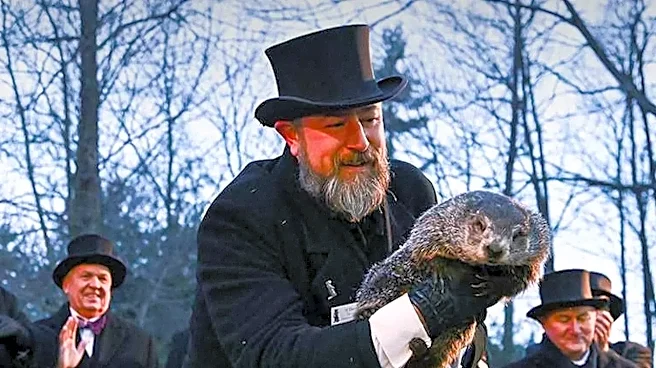
The popular image of the Pilgrims is one of somber, black-clad figures with large white collars and buckled hats. This visual shorthand is an invention of later artists and storytellers. Probate records from 17th-century Plymouth Colony show that the English colonists wore a variety of colors, including red, blue, green, and violet. Their clothing was typical for English people of their time, made from durable wool and linen in earthy tones. Black dye was expensive and usually reserved for more formal occasions or worn by the colony's wealthier or more senior members. The iconic buckled hat is also a later addition; while they wore felt or knit hats to protect against the elements, there's no evidence of the prominent buckles seen in popular culture.
Myth: It Was a Planned Feast with Friendly, Invited Guests
The idea of the Pilgrims sending a formal invitation to their Native neighbors for a shared meal is a cornerstone of the myth. The reality is more complex. The alliance between the Wampanoag people and the colonists was one of mutual necessity. The Wampanoag, led by their sachem Ousamequin (also known as Massasoit), had been devastated by diseases brought by earlier European contact and sought an ally against rival tribes like the Narragansett. The colonists, who had barely survived their first brutal winter, desperately needed the Wampanoag's agricultural knowledge. The three-day event in the autumn of 1621 was a harvest celebration for the colonists. Historical accounts suggest the Wampanoag men arrived after hearing celebratory gunfire, possibly fearing an attack. Seeing it was a feast, the ninety or so men then contributed five deer to the meal.
Myth: The Menu Featured Turkey, Potatoes, and Pie
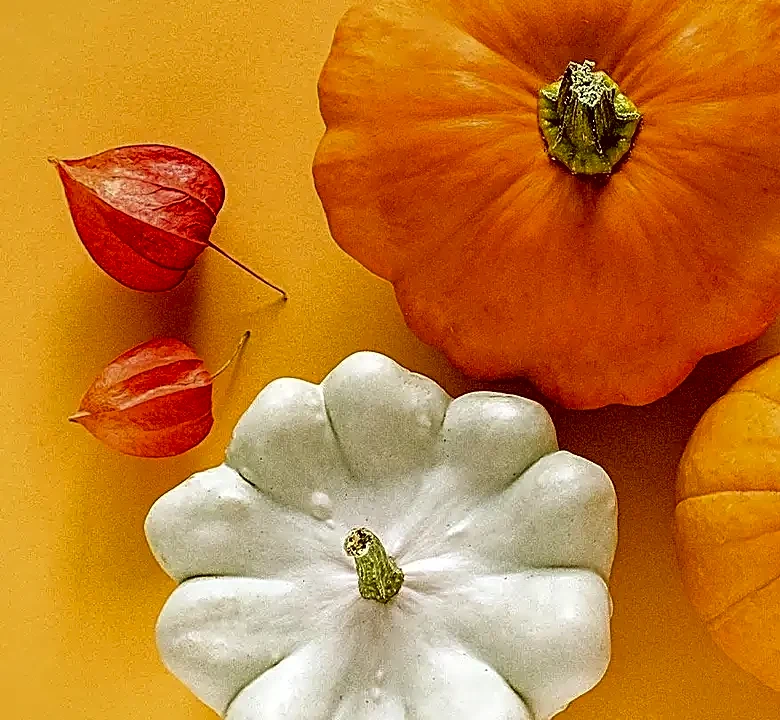
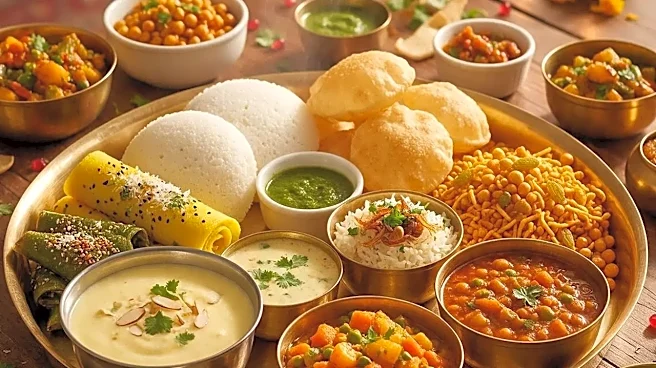
While modern Thanksgiving tables groan under the weight of turkey, stuffing, mashed potatoes, and pumpkin pie, the 1621 menu was quite different. Primary accounts mention fowl, which could have been turkey but was just as likely goose or duck, and the five deer brought by the Wampanoag. Seafood, such as eels, cod, clams, and mussels, would have been plentiful and a likely part of the meal. The colonists' harvest would have included crops like corn, beans, and squash. However, many staples of the modern holiday were absent. There were no potatoes, which had not yet been widely introduced to North America. And without butter or wheat flour, the colonists couldn't have made the pies we associate with the holiday today.
Myth: It Was the 'First Thanksgiving' and an Annual Tradition
Calling the 1621 event the 'First Thanksgiving' is a 19th-century rebranding. Days of thanksgiving, often involving prayer and fasting rather than feasting, were common in both European and Indigenous cultures long before 1621. There were other documented thanksgiving services by colonists in Virginia, Maine, and Florida that predate the Plymouth event. Furthermore, the 1621 feast did not establish an annual tradition. The colonists held another day of thanksgiving in 1623 after a drought ended, but the holiday as we know it didn't take shape for over 200 years. The story was largely forgotten until the 1840s when a publication by Rev. Alexander Young referred to the 1621 meal as 'the first Thanksgiving'. This idea was then championed by magazine editor Sarah Josepha Hale, who campaigned for decades to make Thanksgiving a national holiday to promote unity. Her efforts culminated in 1863 when President Abraham Lincoln, in the midst of the Civil War, proclaimed a national day of Thanksgiving.