



The Myth: A Solemn, Single-Day Dinner
The Thanksgiving story ingrained in American culture is one of a formal, somber affair. We picture long tables groaning under the weight of turkey, Pilgrims in black hats with buckles, and Wampanoag guests sitting politely for a single, landmark meal. It's an image of quiet gratitude, a diplomatic dinner that sealed a friendship between two cultures. This version, popularized in the 19th century through art and school pageants, frames the event as a pious, pre-planned dinner party. It’s a simple, powerful narrative of unity and survival that has been passed down through generations. But like many national myths, it sands down the rough, complex edges of what really happened.
The Reality: A Three-Day Harvest Celebration
The only surviving eyewitness account, a letter from colonist Edward
Winslow, paints a much livelier and longer picture. Written in December 1621, his account describes a celebration that lasted for three full days. Following a successful harvest, Governor William Bradford 'sent foure men on fowling' who returned with enough birds to feed the colony for nearly a week. Soon after, the Wampanoag leader, Ousamequin (also known as Massasoit), arrived with 'some ninetie men'. The roughly 50 surviving colonists then 'entertained and feasted' their guests for three days. This wasn't a quiet dinner; it was a loud, sustained harvest festival full of activity. Winslow mentions that 'amongst other Recreations, we exercised our Armes'—meaning they were firing their guns in celebration. Some historians even suggest this celebratory gunfire is what drew the Wampanoag to the settlement in the first place, as they came on a 'fact-finding mission' to see what the commotion was about.
The Menu: More Than Just Turkey
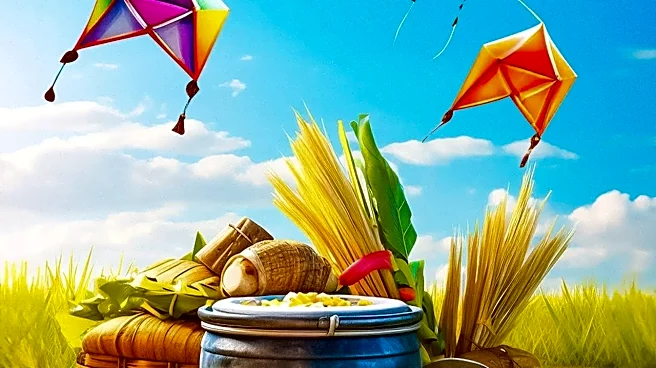
While wild fowl was certainly on the menu, the idea of a single roasted turkey as the centerpiece is a later invention. The Wampanoag guests contributed significantly to the feast, going out and hunting five deer, which they presented to the English governor. This venison would have been a major part of the meals. The feast also likely included seafood like eel, lobster, and mussels, which were abundant in the area. The Pilgrims' gardens would have supplied vegetables like turnips, carrots, and onions, while the Wampanoag would have been familiar with local plants like cranberries and various nuts. However, many staples of modern Thanksgiving were absent. There was no potato, as they had not yet been widely introduced to North America, and the lack of butter and wheat flour meant there was no pumpkin pie.
The Purpose: Not a 'Thanksgiving'
Crucially, the colonists in 1621 would not have called this event a 'thanksgiving'. For the deeply religious Pilgrims, a day of thanksgiving was a solemn, prayer-filled occasion, often involving fasting, not feasting and secular games. The 1621 gathering was a secular harvest festival, a tradition rooted in English culture to celebrate the fruits of their labor. The name 'The First Thanksgiving' was only applied retroactively in the 19th century, when editor Alexander Young found Winslow's account and connected it to the Thanksgiving holidays that were becoming popular in New England. The event was less a religious observance and more a diplomatic and social necessity, a fragile moment of cooperation between two very different groups who had recently formed a mutual defense alliance.