


The Meal That Wasn't
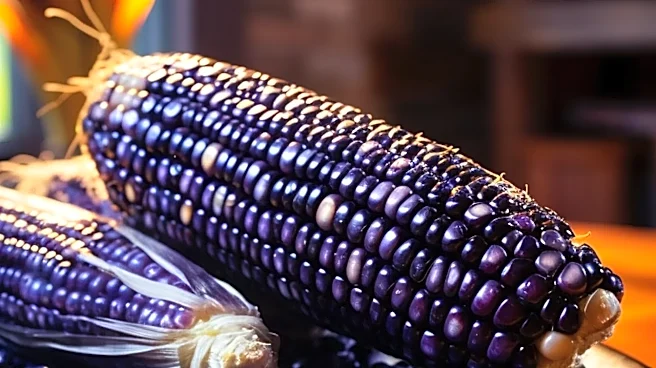
Let’s get the big myth out of the way first. The meal we associate with the 'First Thanksgiving' looks almost nothing like the actual 1621 harvest celebration between the Plymouth colonists and the Wampanoag people. The only contemporary written account mentions 'fowl' and five deer brought by the Wampanoag. That 'fowl' could have been turkey, but was just as likely goose or duck. The rest of the table would have been filled with the realities of a New England autumn: seafood like lobster and mussels, corn prepared as porridge or bread, beans, and local squashes. There was no buttery, flaky pastry for pumpkin pie, no sugar for cranberry sauce, and no potatoes of any kind. The meal wasn't a curated menu; it was a practical, three-day affair based
on survival and seasonal availability.
The Turkey Wasn't Always the Star
So how did turkey become the undisputed headliner? The bird’s promotion from a possible guest star to the main event happened much later, in the 19th century. Turkeys were native to North America and plentiful, making them a practical choice for a large celebratory meal. Unlike chickens (kept for eggs) or cows (kept for milk), a turkey was typically raised for its meat, making it an easy choice for slaughter for a special occasion. Its large size was perfect for feeding a growing family, and it made for an impressive centerpiece. But its status wasn't cemented by the Pilgrims; it was solidified by writers and tastemakers over 200 years later who were trying to create a distinctly American tradition.
Inventing a Tradition in the 1800s
The Thanksgiving we know and love is largely a Victorian invention, masterminded by one of the 19th century's most influential women: Sarah Josepha Hale. As the editor of the popular magazine 'Godey's Lady's Book', Hale campaigned for decades to make Thanksgiving a national holiday, believing it would help unify a country fractured by tensions that would lead to the Civil War. In her 1827 novel 'Northwood', she dedicated an entire chapter to a New England Thanksgiving, describing a feast with a roasted turkey at the head of the table, and later published recipes for dishes like pumpkin pie and stuffing. She essentially created a brand identity for the holiday, and when President Abraham Lincoln finally declared Thanksgiving a national holiday in 1863, Hale's vision became the template.
The Sides Aren't Ancient, Either
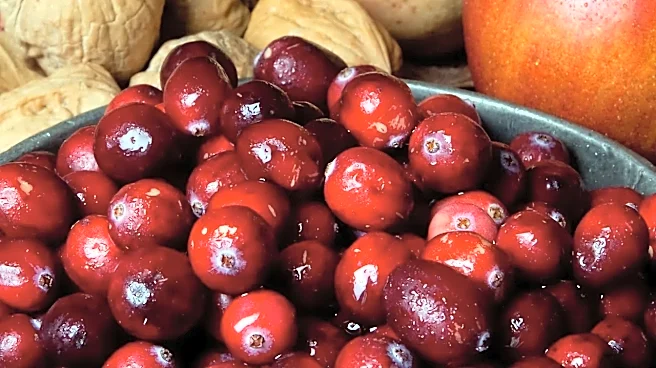
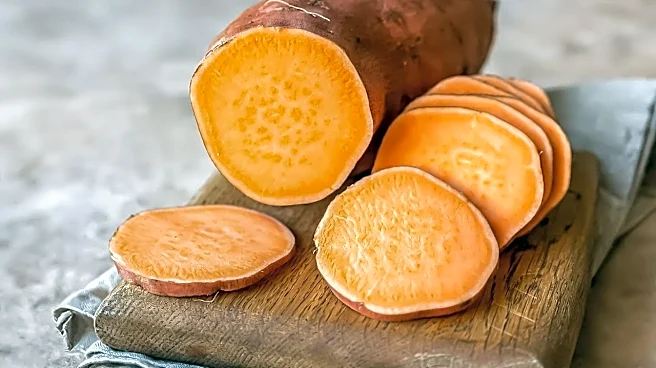
Many of the side dishes we consider non-negotiable are surprisingly recent additions. That can-shaped, jiggly cranberry sauce? Recipes for sweetened cranberry relish didn't appear until the late 18th century, and the first canned version wasn't sold until 1912. Green bean casserole is a baby, invented in a Campbell's Soup test kitchen in 1955 to sell cream of mushroom soup. And the tradition of topping sweet potatoes with marshmallows began around 1917 as part of a marketing campaign by a marshmallow company to convince people the confection was a versatile, everyday food. These dishes aren't Pilgrim relics; they are products of 20th-century food industrialization, convenience, and clever marketing.