


The Origin of a Protest
The National Day of Mourning began in 1970, a year that marked the 350th anniversary of the Pilgrims' arrival in Plymouth, Massachusetts. State officials, planning a celebratory banquet, invited Wamsutta (Frank) James, a leader of the Aquinnah Wampanoag, to speak. They imagined a speech that would fit neatly into the rosy, sanitized version of history—one of friendly collaboration. James, however, prepared a speech that told the truth of his people's experience. He wrote of robbed graves, stolen corn, broken promises, and the enslavement of his ancestors. Deeming the speech too 'inflammatory' and out of step with their celebratory theme, organizers demanded he read a revised, pre-approved script instead. James refused. Rather than allow his voice
to be silenced, he and hundreds of other Native people from across the country gathered on Cole's Hill in Plymouth, overlooking the Mayflower II replica. There, he delivered his suppressed speech, and the first National Day of Mourning was born.
Deconstructing a National Myth
At its heart, the National Day of Mourning is a protest against the pervasive myth of the 'First Thanksgiving'. The grade-school version of the story—of peaceful Pilgrims and generous 'Indians' sharing a harmonious feast—obscures a brutal reality. Participants and organizers from the United American Indians of New England (UAINE) point out that this narrative erases the genocide of millions of Native people, the theft of their lands, and a relentless, ongoing assault on their cultures that began long before 1621 and continued for centuries. As the UAINE states, Thanksgiving from this perspective is a reminder of the beginning of the end for the Wampanoag and other Indigenous peoples as free nations. The Day of Mourning serves to shatter the myth and replace it with a more accurate, if more painful, historical account.
What Happens on the Day of Mourning
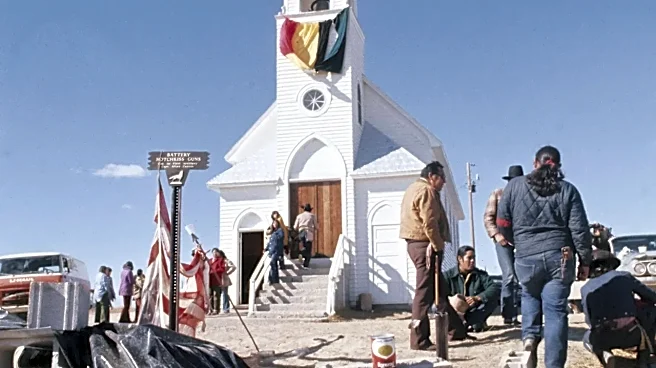
Every year on the fourth Thursday of November, hundreds of Indigenous people and their non-Native allies gather at noon on Cole's Hill. The event is intentionally solemn and political. Many participants fast from the evening before. It is explicitly not a celebration. Instead, it is a day to honor Native ancestors and the resilience of Indigenous peoples. While allies are welcome to stand in solidarity, a core principle of the event is that only Native people speak from the podium. The speeches are not just about the past; they connect historical injustices to the contemporary struggles facing Native communities today, from racism and poverty to the fight for sovereignty and environmental protection. It is a powerful act of remembrance and a protest against the oppression that Indigenous people continue to experience.
More Than Just a Day
The message of the National Day of Mourning extends beyond a single day or a single event in Plymouth. It is a call for a more honest reckoning with the history of the United States and its founding. Organizers see it as an essential correction to a narrative that glorifies colonization. For the United American Indians of New England, the goal is not to make people feel guilty, but to make them aware. It is an opportunity to educate the public and to amplify the voices and struggles of people who have been systematically silenced. By marking Thanksgiving as a day of mourning, they challenge all Americans to look beyond the comfortable myths and confront the full, complex, and often tragic story of the nation's origins and the enduring legacy of that history on Native peoples today.