


Thanksgiving tours offer a trip into America's past, but not all tell the full story. To ensure you're getting more than a comforting myth, it's wise to do a little homework before you book. Here’s what to ask.
Whose story are you telling?
This is the most important question. Many traditional Thanksgiving narratives focus almost exclusively on the English colonists, often called Pilgrims, framing them as the central figures. A more accurate and responsible tour will acknowledge that they arrived in an already inhabited land and will actively include the perspective of the Wampanoag people, the Indigenous nation that had lived in the region for millennia. A good answer will sound something like, 'We tell the story of the encounter between the English colonists and the Wampanoag people, using
primary sources from both cultures to provide a balanced view'. A red flag is any response that dismisses the question or refers to the Native people in a generic or secondary role.
How are the Wampanoag people represented?
This question drills down on the specifics of Indigenous representation. The Wampanoag were not simply passive helpers or a homogenous group. They were a complex society with their own political motivations and a history that long predated 1620. Does the tour explain that the Wampanoag had already suffered a devastating plague, likely from earlier European contact, which dramatically altered their society? Does it acknowledge that their leader, Massasoit, was making a strategic political alliance, not just a gesture of friendship? Be wary of tours that use figures like Squanto as a simple 'friendly Indian' trope, without explaining his harrowing backstory of being kidnapped and enslaved. A quality tour will present Wampanoag individuals as sovereign people making difficult choices in a time of immense upheaval, not as sidekicks in someone else's story.
What are your sources?
A legitimate historical tour should be able to cite its sources beyond popular folklore. The story of the 1621 harvest gathering comes from just two brief colonial accounts. A knowledgeable guide should be aware of this and also be able to discuss how oral histories and archaeological findings from the Wampanoag nation and other Indigenous groups contribute to a fuller picture. Ask if the tour company consults with or involves members of the local Mashpee Wampanoag or Aquinnah Wampanoag tribes. The best historical presentations work directly with the communities whose stories they tell, ensuring respect and accuracy. A vague answer about 'historical accounts' or 'common knowledge' is a signal that the tour might be trafficking in myths.
How do you handle historical myths?
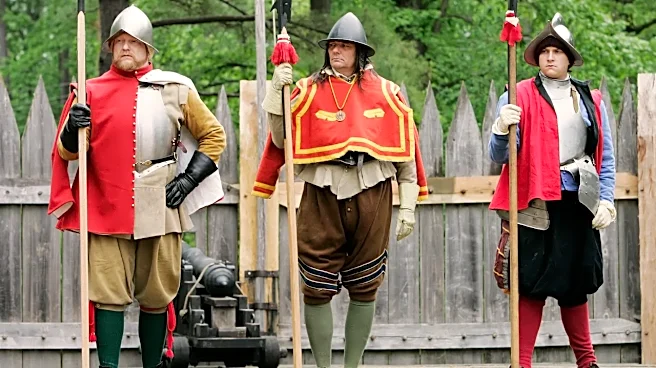
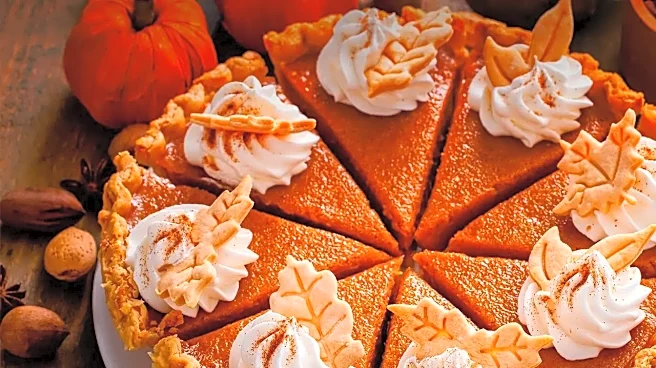
The Thanksgiving story is saturated with myths, from the Pilgrims' black-and-white outfits with buckled hats to a feast of turkey and pumpkin pie. Asking about this directly tests the tour's commitment to accuracy. A good guide will not only know these myths are false but will actively debunk them and explain how they became part of the popular story. For instance, they might explain that the 1621 meal was a harvest celebration, not a religious Thanksgiving, and that the Wampanoag guests outnumbered the colonists by nearly two to one. A tour that clings to the feel-good, Rockwellian image of the event is prioritizing nostalgia over history. It shows they are unwilling to engage with the more complex, and often uncomfortable, truths of the past.
Does the story end in 1621?
The sanitized Thanksgiving story often ends with a happy feast, implying a lasting peace that simply didn't happen. This peaceful image obscures the brutal reality that followed. Within a generation, the English and the Wampanoag were engaged in a devastating conflict known as King Philip's War, which led to the death and enslavement of thousands of Indigenous people and the loss of their lands. Many Native Americans today consider Thanksgiving a day of mourning. A tour committed to telling the whole story will at least acknowledge this difficult aftermath. It doesn't need to detail every battle, but it must be honest that the 1621 feast was a brief moment in a much longer, more fraught history, not a happy ending.