




The Problem with Pageantry
The traditional Thanksgiving lesson, centered on a harmonious feast between Pilgrims and Native Americans, is a powerful piece of American mythology. Unfortunately, it's largely a work of fiction. Many of the details are inaccurate, from the black, buckled hats the Pilgrims never wore to the idea that they hosted the Wampanoag at an event they called 'Thanksgiving'. Educational organizations like the National Museum of the American Indian have worked for years to correct this record, explaining that these simplified narratives are not just historically flawed, but harmful. When schools reduce the diverse and distinct nations of Indigenous peoples into a single, stereotyped costume, they flatten complex cultures into a caricature. These activities
can relegate contemporary Native peoples to the past, turning their identity into a costume for a day. This approach misses the vast majority of the story: the grave robbing and corn theft by colonists that preceded the feast, the devastating diseases that enabled European settlement, and the eventual violent breakdown of relations between the groups. For many Native Americans, Thanksgiving is observed as a National Day of Mourning, a painful reminder of colonization's toll.
A More Honest History with Primary Sources
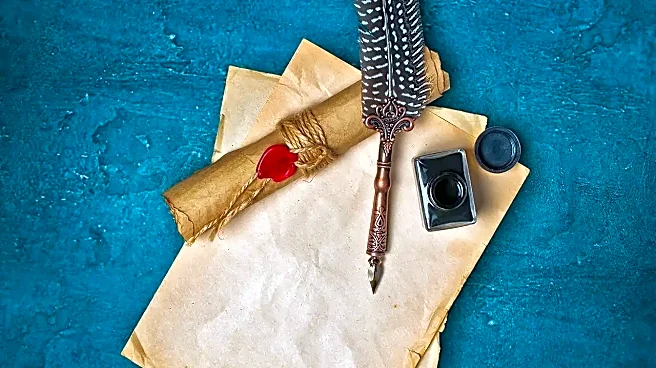
The alternative to this pageant is not to cancel Thanksgiving, but to deepen our understanding of it. Shifting the focus from costumes to documents invites students to become historians. Primary sources—firsthand accounts, letters, treaties, maps, and oral histories—allow students to engage directly with the past. The main account of the 1621 harvest festival comes from a letter by colonist Edward Winslow. Giving students this document, or excerpts from it, allows them to see what it actually says—a three-day gathering with about 90 of Massasoit's men who contributed five deer—and, just as importantly, what it doesn't say. There is no mention of a formal invitation, and the name 'Thanksgiving' wasn't applied to this event until the 19th century. This method teaches students to differentiate between a documented event and the story that was later told about it. It moves the lesson from passive reception of a myth to active investigation of evidence. This approach provides fact-based grounding and helps students compare the popular understanding of Thanksgiving with historical reality.
What Document-Based Learning Looks Like
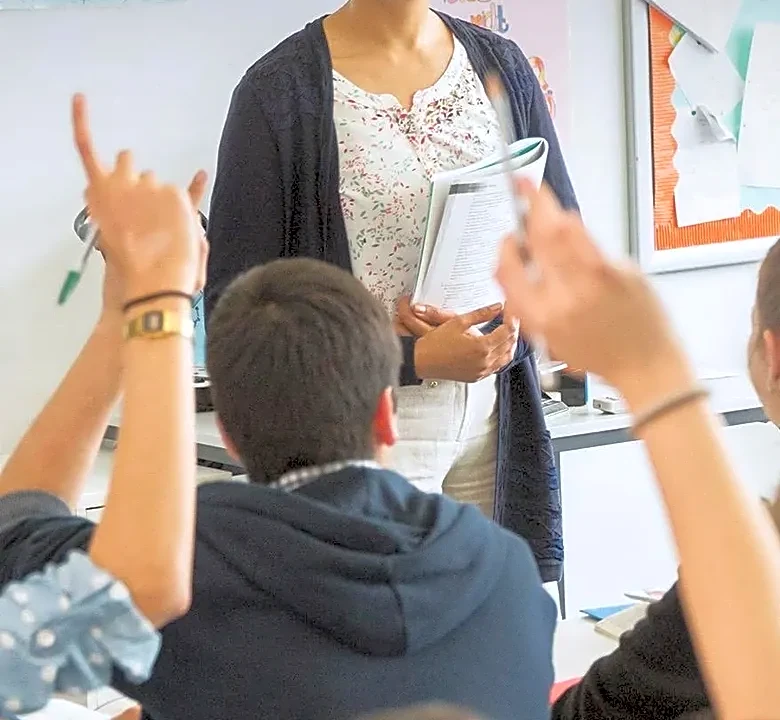
So, what does this look like in a real classroom? Instead of cutting out paper feathers, a third-grade class might sort a list of foods from the 1621 feast into categories: 'Documented', 'Possible', and 'Later Tradition'. They would discover that while fowl and venison are in the historical record, there's no evidence of the pumpkin pie and cranberry sauce we eat today. A middle school class could analyze the text of the 1621 treaty between the Wampanoag and the Pilgrims, discussing its terms and what each side hoped to gain. High school students could examine different perspectives on the same event, comparing the accounts of colonists with modern narratives from Wampanoag historians and authors. This work can be paired with resources from institutions like the Smithsonian, which provide teacher guides for analyzing historical records. The goal isn't to replace one fixed story with another, but to teach students how to ask critical questions: Who wrote this? Why? Whose perspective is missing? This is the work of a historian, and it's far more engaging than a simplified reenactment.
Beyond Facts: Fostering Critical Thinkers
The most compelling reason to trade costumes for documents is that it builds skills essential for modern citizenship. By examining primary sources, students learn to evaluate evidence, identify bias, and understand that history is a collection of competing narratives, not a single, settled story. They learn to handle ambiguity and to qualify their claims based on the strength of the available evidence. This approach nurtures empathy by exposing them to perspectives vastly different from their own, such as why the holiday can be a day of mourning for the descendants of the Wampanoag. In a world saturated with information and misinformation, the ability to critically analyze a source is not just an academic exercise—it is a survival skill. Moving away from the Thanksgiving myth is not about inducing guilt or ruining a holiday. It's about respecting students enough to give them a more complete, challenging, and ultimately more rewarding picture of the American past.