


Start by Embracing the Complexity
The first step is to reassure your child that it’s okay for a story to have more than one version. History isn't a cartoon with clear good guys and bad guys; it’s a messy, complicated collection of perspectives. Frame this as a feature, not a bug. You can say, “That’s a great question. The reason you hear different stories is because different people experienced the same events in very different ways. Let's talk about a few of them.” This approach doesn't just answer the immediate question—it teaches a valuable lesson in critical thinking and empathy.
The Story We Usually Tell
First, acknowledge the version they likely know. This is the story of the 1621 harvest feast in Plymouth, Massachusetts. After a brutal first winter, the English settlers, or Pilgrims, had a successful
harvest with the help of the Wampanoag people. According to one of the only two written accounts from the time, the colonists' governor organized a celebratory feast. When Wampanoag leader Massasoit and about 90 of his men arrived, they were welcomed, and the two groups shared a meal for three days. This story, popularized in the 1800s, became a symbol of unity and gratitude. You can explain that this is the story many people focus on because it highlights themes of friendship and thankfulness.
The Wampanoag Perspective
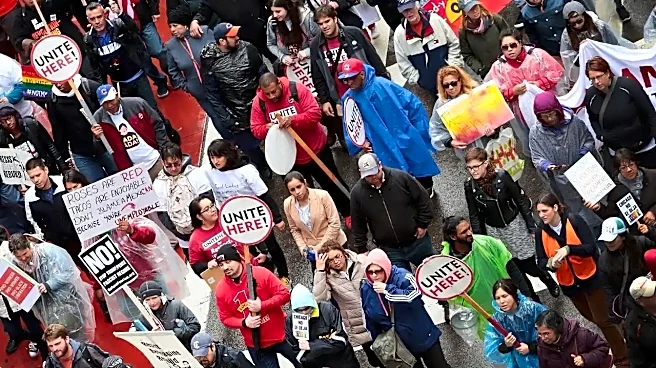
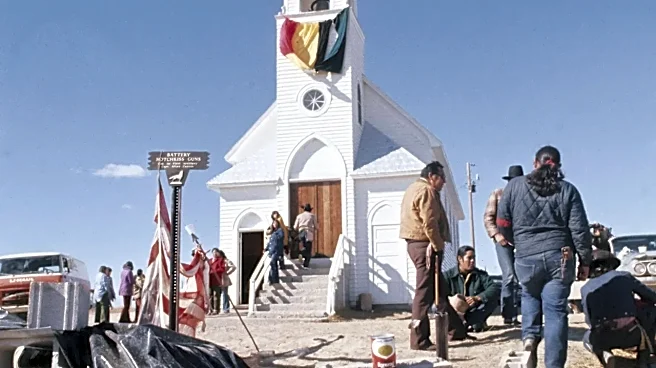
Next, introduce a different viewpoint. For the Wampanoag and many other Indigenous peoples, the arrival of European settlers was the beginning of immense hardship, including disease, land theft, and violence. The Wampanoag had their own long-standing traditions of giving thanks for the harvest. The 1621 feast was a moment of diplomacy, not just friendship, in a relationship that soon deteriorated. Because of the devastating consequences of colonization that followed, many Native Americans today observe Thanksgiving as a National Day of Mourning. This day, first organized in 1970, serves as a protest and a solemn remembrance of the loss of life, land, and culture. Explaining this isn't about making kids feel guilty; it’s about showing that the same event can be a celebration for one group and a tragedy for another.
Even More 'First' Thanksgivings
To further illustrate that the Plymouth story isn't the only one, you can mention that giving thanks was a common custom. Days of thanksgiving were declared long before 1621. For example, English settlers in Virginia held a thanksgiving ceremony at Berkeley Hundred in 1619 to thank God for their safe arrival. Spanish settlers did the same in Florida in 1565. These events weren’t harvest festivals with Native Americans, but they were days dedicated to gratitude. This context helps a child understand that Thanksgiving as we know it wasn’t born from a single event but evolved over time. The national holiday itself wasn't even made official until 1941.
Putting It All Together for Your Child
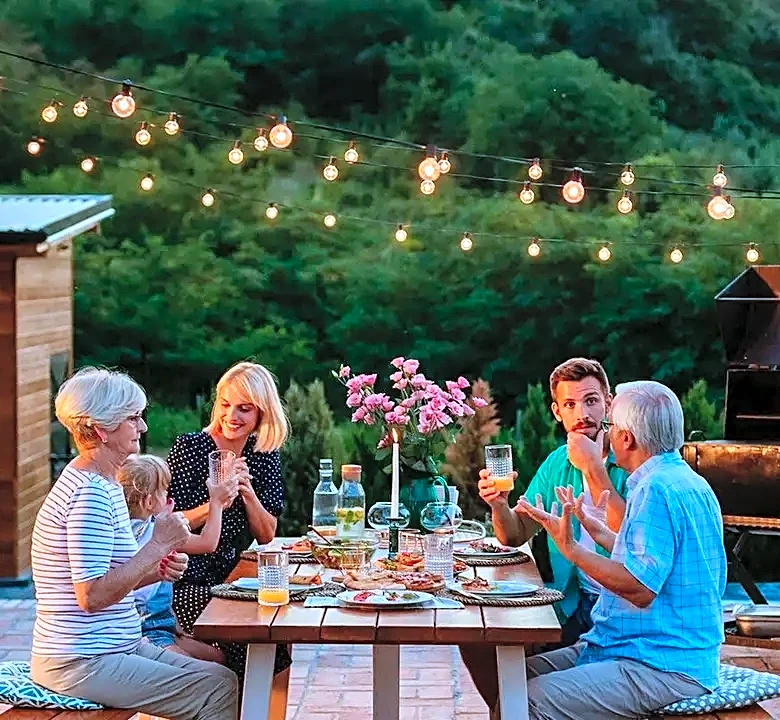
After laying out the different stories, bring it back to a core message. The goal isn’t to pick a “winner” but to understand that all these stories are part of America’s history. You can shift the focus to what gratitude means for your family. Focus on the universal value of being thankful for food, family, and community—a practice that was important to both the Wampanoag and the Pilgrims in their own ways. Encourage curiosity by reading books from Native authors or looking up the Indigenous history of the land you live on. You can say, “Knowing the whole, complicated story helps us be more thoughtful and respectful to everyone.”