




The classic image of the First Thanksgiving is etched into the American psyche. But the popular vision of Pilgrims and Native Americans sharing a harvest feast is more 19th-century myth than 17th-century reality. Let's correct the picture.
The Somber Pilgrim Uniform
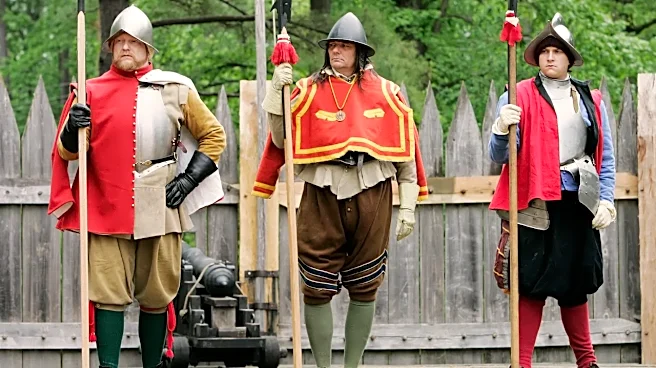
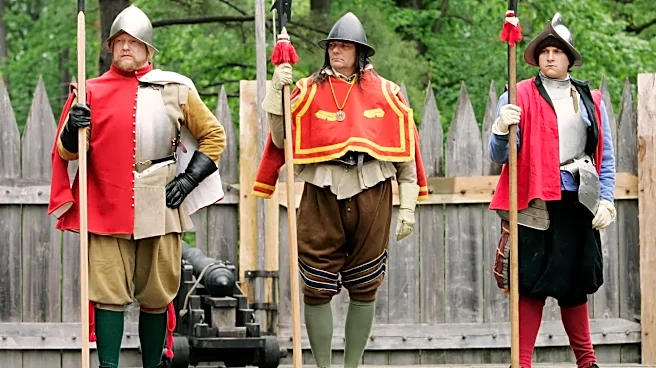
Myth: The English colonists, known as Pilgrims, are almost always shown in severe, all-black outfits with large white collars and cuffs, topped with buckled hats. This image suggests a somber, monochrome existence. Reality: Black clothing was a luxury in the 17th century, difficult and expensive to produce with natural dyes. It was typically reserved for formal occasions and Sundays. For a three-day harvest festival, the 50-odd colonists would have worn their everyday clothes, which were made of wool and linen
in a variety of colors. Estate records from the period reveal a wardrobe of reds, greens, blues, violets, and browns. And those famous buckles? They didn't become a fashion staple until much later in the century; shoes and hats were fastened with simple leather laces or ties.
The Generic Native American Dress
Myth: Illustrations often depict the Wampanoag men in loincloths and large, feathered war bonnets characteristic of Plains tribes. Sometimes they are shown half-naked, even in the cool New England autumn. Reality: The 90 Wampanoag men who attended the feast, led by their sachem (leader) Ousamequin, would have worn attire appropriate for their own culture and the season. This included deerskin breechcloths and leggings. In cooler weather, they wore mantles of deerskin or beaver fur. While they did wear a single feather or two in a headband, the large, flowing headdresses seen in many paintings are inaccurate and culturally specific to tribes from the Great Plains, thousands of miles away. Wampanoag people also decorated their bodies with paints and tattoos, using colors to convey meaning.
The Thanksgiving Dinner Menu
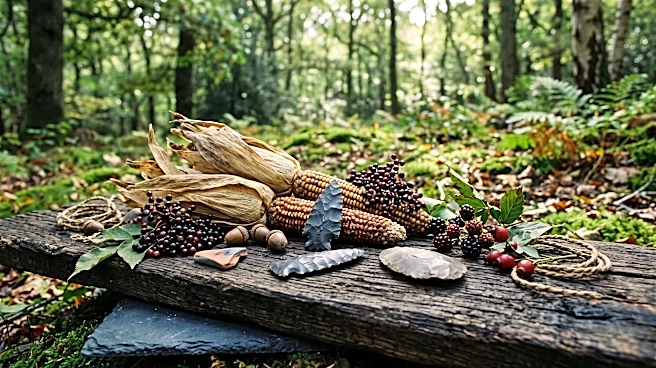
Myth: The centerpiece of every Thanksgiving drawing is a massive, perfectly roasted turkey, surrounded by modern staples like pumpkin pie, cranberry sauce, and potatoes. Reality: While wild fowl were on the menu, and that likely included wild turkey, they were not the guaranteed star of the show. The only foods specifically mentioned in the single eyewitness account are 'fowle' and five deer brought by the Wampanoag. The feast would have also included seasonal, local foods: fish like cod and bass, eels, shellfish such as lobster, clams, and mussels, and produce from the harvest. This included flint corn (eaten as porridge or bread), beans, and squashes. But there were no potatoes, which hadn't yet been widely introduced to North America, and no flour or butter for pie crusts. Cranberries may have been used for tartness in a sauce, but without sugar, they wouldn't have been the sweet relish we know today.
The Formal, Sit-Down Meal
Myth: Paintings often show the Pilgrims and Wampanoag seated politely at long, communal tables, as if attending a formal dinner party. The setting is often depicted as a clearing surrounded by log cabins. Reality: The 1621 settlement did not have log cabins, a building style introduced later by other European settlers. The colonists lived in smaller, timber-framed houses with thatched roofs. With about 50 English colonists and 90 Wampanoag men present, a formal, seated meal at a long table would have been impractical. The three-day event was likely a much more casual and outdoor affair, with people eating in various groups, sitting on the ground or on barrels. It was less a pre-planned dinner and more of a multi-day festival that included feasting, games, and military exercises or 'exercising our arms,' as one colonist wrote.
A Pre-Planned, Peaceful Gathering
Myth: The storybook version presents the feast as a friendly invitation from the Pilgrims to their new Native friends to celebrate a shared future of peace and harmony. Reality: The context was far more complex. The Wampanoag and the English had formed a strategic alliance earlier that year born of mutual need and wariness. The Wampanoag had been devastated by a recent epidemic introduced by Europeans, and Ousamequin saw an alliance with the colonists as a way to protect his people from rival tribes. Some historians suggest the Wampanoag showed up not because of an invitation, but because they heard celebratory gunfire and came to investigate, possibly fearing an attack. Their arrival, with 90 men, may have been a political display of strength. The feast that followed helped cement their fragile alliance, but it was not the simple, idyllic get-together of popular lore.