


A Holiday For a Weary Nation
By November 1864, the Union was exhausted. The Civil War was grinding into its fourth year, and while victory seemed more likely, the cost was immense. Just one year prior, President Abraham Lincoln had declared Thanksgiving a national holiday, a call for unity and gratitude amidst unparalleled bloodshed. As the 1864 holiday approached, a new idea emerged from the civilian population: to provide a tangible link between the home front and the men in the trenches of Virginia and sailors on blockading ships. The plan was simple in concept but staggering in scope: send them all a Thanksgiving dinner.
The 'Poultry for the Army' Plan
The movement was spearheaded by patriotic civic groups, most notably the Union League Club of New York. In a meeting on November 3, 1864, the club decided
to ensure that no soldier in the armies of the Potomac, the James, and the Shenandoah, nor any sailor in the North Atlantic Squadron, would go without a holiday meal. They put out a public call for donations of cooked poultry, pies, and money. The response was immediate and overwhelming. Newspapers championed the cause, declaring it a citizen's duty to contribute. In just three weeks, the New York club alone collected over $57,000 in cash and coordinated a mountain of in-kind donations from as far away as Michigan.
A Logistical Feat of Epic Proportions
The number from the headline—373,586 pounds—represents an estimate of the total poultry provided, a combination of donations and purchases. Imagine the challenge: collecting, cooking, packing, and shipping this colossal amount of food in an era before widespread refrigeration. New York's finest restaurants, like the famous Delmonico's, roasted thousands of birds. Fulton Market, the city's wholesale hub, became a central collection point for poultry, cakes, apples, pickles, and more. This bounty was packed into hundreds of thousands of boxes and loaded onto steamships and trains bound for the front lines, primarily the massive Union supply depot at City Point, Virginia. It was a race against time and spoilage, a testament to 19th-century organizational grit.
Dinner in the Trenches
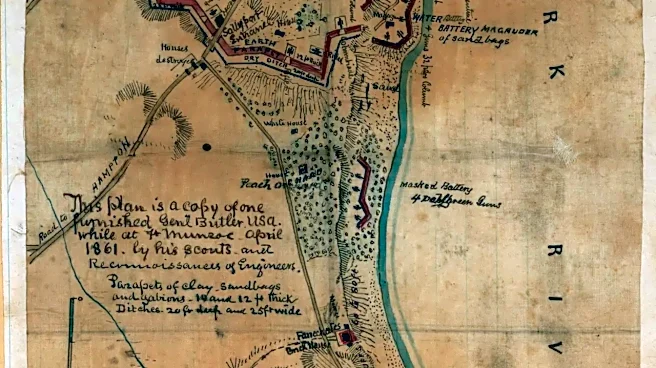
For soldiers accustomed to a monotonous diet of hardtack and salted pork, the arrival of this feast was a profound morale booster. While not every soldier received a full turkey, the effort was felt everywhere. One corporal at a fort the soldiers called 'Fort Hell' wrote home that his company of 28 men shared two turkeys, three mince pies, and a variety of other goods, concluding it was a 'good dinner'. In some cases, three turkeys might be split among 65 men. Even a small share—a piece of chicken, a can of tomatoes—was a powerful reminder that they were not forgotten. The soldiers, who read about the coming feast in newspapers, had been buzzing with anticipation. The meal was a moment of celebration and a taste of home in the mud and danger of the siege lines around Petersburg.
More Than Just a Meal
The great Thanksgiving feast of 1864 was more than just an act of charity; it was a demonstration of the Union's industrial and civic strength. While Confederate soldiers often subsisted on meager rations of cornbread and meat substitutes, the North was able to mobilize its citizens and resources to deliver a holiday meal to its vast armies. It sent a clear message of resolve and abundance. One soldier's letter, published in the New York Times, captured the sentiment perfectly: 'Far away from home and friends... 'tis pleasing to us to know that we are still remembered in the prayers, sympathies and kindness of the loyal hearts of our noble states'. It affirmed that while they were fighting the war, the nation they were fighting for was right there with them.