

First, Check Their Real Age
The story of the 'First Thanksgiving' wasn't widely known until the 19th century. The only primary written account from the 1621 harvest celebration comes from a letter by colonist Edward Winslow. He describes a three-day feast with about 90 Wampanoag men, who contributed five deer. He never calls it a 'Thanksgiving'; to the Pilgrims, a thanksgiving was a solemn day of prayer and fasting, not feasting. The idea of this specific harvest festival being the 'First Thanksgiving' was popularized over 200 years later by magazine editor Sarah Josepha Hale, who lobbied President Lincoln to make it a national holiday in 1863 to foster unity during the Civil War. The romantic, simplified story we know today was born in the 1800s, not the 1600s. It was a nation-building
exercise, not a historical report.
Look for What They Don't Talk About
A good source is honest about the full picture, not just the flattering parts. The common Thanksgiving myth conveniently omits the grim context. European arrivals brought diseases that devastated Indigenous populations. The Wampanoag, led by their sachem Ousamequin (also known as Massasoit), had been decimated by a recent plague and saw an alliance with the colonists and their firearms as a strategic move against their rivals, the Narragansett. Many historians also question whether the Wampanoag were even invited to the feast. It’s theorized they heard celebratory gunfire, and Ousamequin and his men arrived to investigate a potential threat, not to attend a planned dinner party. The peace itself was fragile and short-lived. Within a generation, brutal conflict erupted, leading to the dispossession of Wampanoag lands. For many Native Americans, Thanksgiving is observed as a National Day of Mourning, a reminder of colonization's devastating legacy.
Question Their Motives
Every source has a motive. Edward Winslow’s letter, the main primary source, was essentially a promotional piece. It was intended to be published back in England to attract more settlers to Plymouth by painting a picture of a successful, peaceful, and abundant colony. It's like a real estate brochure that highlights the sunny weather but fails to mention the leaky roof. Similarly, the 19th-century writers and politicians who cemented the Thanksgiving myth had their own agenda: creating a unifying, patriotic origin story for a country tearing itself apart. They weren't trying to be accurate; they were trying to build a national identity. Recognizing the storyteller's purpose is key to separating fact from fiction.
Beware of Over-the-Top Romantic Gestures
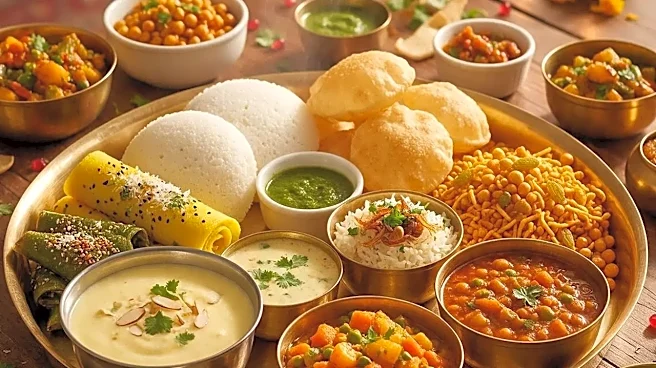
The classic imagery of Thanksgiving is largely a historical fantasy. The Pilgrims didn't wear black clothes with buckled hats—that was a 19th-century invention. The menu is also mostly wrong. While fowl was on the menu, there’s no specific mention of turkey in Winslow’s account. The Wampanoag contributed venison, which was a major part of the meal. Foods that require wheat flour and butter, like pies, were not possible, and other modern staples like sweet potatoes and cranberries were not part of that 1621 meal. The idea of a 'traditional' Thanksgiving meal was constructed much later to fit the romanticized narrative of the holiday. These details were added over time to make the story feel more familiar and festive, but they obscure the much more complex and less picturesque reality.