



1. Is This Historically Accurate?
Many popular Thanksgiving illustrations are based on a mythologized version of the 1621 harvest gathering. For example, paintings from the early 20th century cemented the image of Pilgrims in black outfits with buckled hats and Native Americans in Plains-style feathered headdresses. Neither is accurate. The Pilgrims wore colorful clothing, and the Wampanoag people, who were present at the event, have their own distinct traditional attire. The famous long-table dinner is also likely a fabrication; the real event was probably a multi-day affair with attendees sitting around fires. Scrutinizing an image for these common inaccuracies is the first step toward choosing more thoughtful content.
2. Who Is Being Centered in the Narrative?
Look closely at who the main characters are in a potential
illustration. Many traditional depictions place the English settlers at the center of the action, with a small number of Native people positioned as passive guests, often sitting on the ground. In reality, historical accounts suggest about 90 Wampanoag men were present, far outnumbering the roughly 50 Pilgrims. They weren't simply invited guests; they arrived after hearing celebratory gunfire, and the gathering was as much a diplomatic event as a feast. An illustration that shows Native people as secondary characters perpetuates a colonial-centric view that erases the Wampanoag's own agency and presence in their homeland.
3. Does This Rely on Harmful Stereotypes?
Beyond historical inaccuracies, many Thanksgiving images lean on a mishmash of generic, stereotypical 'Indian' symbols. Tipis, elaborate feathered war bonnets, and totem poles are symbols associated with specific Native Nations, but not the Wampanoag of 17th-century Massachusetts. Using these symbols out of context is not just incorrect; it homogenizes hundreds of distinct Indigenous cultures and contributes to the harmful idea that all Native people are the same. Look for imagery that avoids these broad stereotypes. Better yet, seek out art that reflects the specific culture of the Wampanoag people.
4. Does This Reflect Thanksgiving Today?
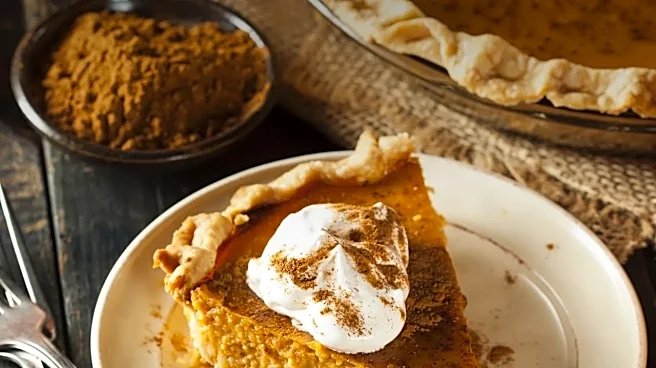
Must every Thanksgiving image be a historical reenactment? For many Americans, the holiday is about family gatherings, football, favorite foods, and gratitude. Consider shifting your focus to modern scenes. Illustrations of diverse families sharing a meal, friends gathered in a city apartment, or close-ups of beloved pies and side dishes can evoke the spirit of the holiday without wading into contested history. These images are often more relatable and authentic to the contemporary experience of Thanksgiving, centering on themes of food, community, and gratitude that everyone can connect with.
5. Who Created This Image (And Who Benefits)?
This question pushes us to be more conscious consumers of art. Many stereotypical illustrations are created by artists with little to no connection to or knowledge of Indigenous cultures. Whenever possible, try to find and use illustrations created by Native artists. Commissioning work from an Indigenous artist or purchasing from a collective is an excellent way to ensure authentic representation and financially support the creators themselves. If that's not feasible, look for artists and stock photo sites that are making a clear effort to provide accurate, respectful, and well-researched imagery. The choice of creator matters just as much as the content of the image itself.