
As Thanksgiving approaches, so do the classic videos of Pilgrims and Native Americans sharing a peaceful meal. But the familiar story is often more myth than history. Here are five questions to help you and your family watch with a more critical eye.
1. Who is telling this story?
The first and most crucial question is about perspective. Most traditional Thanksgiving narratives are told from the point of view of the English colonists. This inherently centers their experiences, struggles, and triumphs, often casting the Wampanoag people as supporting characters in someone else's story. A more complete history requires seeking out the other side of the story. Ask if the video includes or references the Wampanoag perspective. For many Indigenous people, the arrival of colonists marks
the beginning of disease, land theft, and centuries of oppression, making Thanksgiving a day of mourning, not celebration. Acknowledging whose voice is centered—and whose is missing—is the first step toward understanding the event's full context.
2. How are the Native people portrayed?
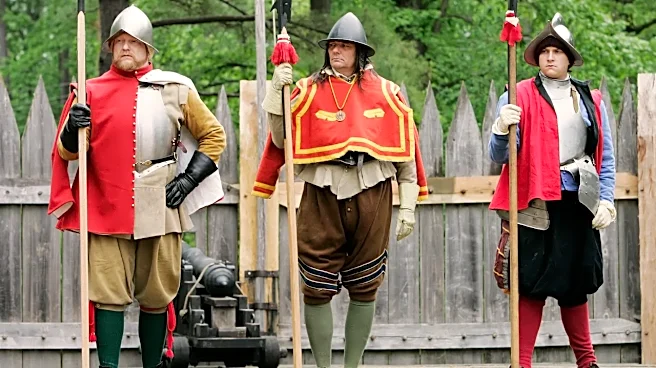
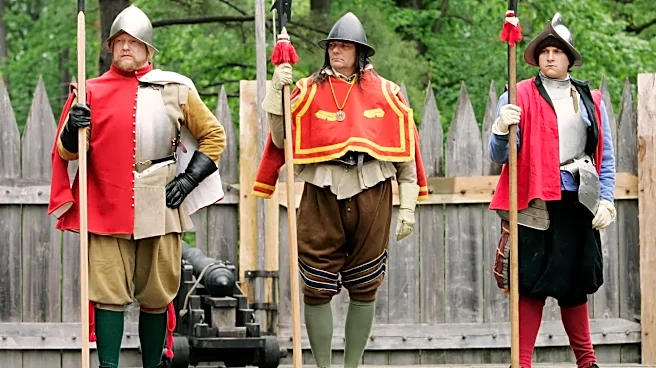
Look closely at how the video depicts the Wampanoag. Are they presented as a single, generic group of 'Indians,' or are they identified by their specific nation? The Thanksgiving story often homogenizes diverse and distinct Indigenous cultures. Note their clothing and appearance. The iconic image of Plains-style feathered war bonnets is historically inaccurate for the Wampanoag of 17th-century New England. Similarly, the Pilgrims did not wear all black with buckled hats; that imagery was a 19th-century invention. Does the video portray the Native characters with agency and complexity? At the time of the 1621 feast, the Wampanoag were navigating a complex political landscape, including fending off rival nations like the Narragansett, and their alliance with the colonists was a strategic one, not a simple act of friendship.
3. What happens before and after the feast?
The typical Thanksgiving story isolates the 1621 harvest feast as a single, happy moment, freezing it in time. But history is a continuum. What the videos often leave out is the brutal context. European traders had been visiting the coast for a century, sometimes kidnapping Native people to be sold into slavery. The land the Pilgrims settled, Patuxet, was only available because a devastating epidemic had wiped out the Wampanoag village that stood there just a few years prior. The colonists were building their new home on a graveyard. The 50-year alliance that followed the feast eventually crumbled, leading to the devastating conflict known as King Philip's War, which shattered the Wampanoag nation and forever shifted the balance of power. A single peaceful meal does not erase the conflict that came before and after.
4. Were they even invited?
The image of colonists graciously inviting their Native neighbors to dinner is a cornerstone of the myth. However, historical accounts are not so clear. The only primary written source describing the event, a letter by colonist Edward Winslow, mentions that the Wampanoag leader Massasoit appeared with 90 men. Some historians suggest they may have come to investigate after hearing celebratory gunfire and military exercises from the colony. There is no record of a formal invitation. Furthermore, the Wampanoag guests vastly outnumbered their English hosts, with about 90 men to roughly 50 colonists. Once there, the Wampanoag contributed significantly to the feast, providing five deer. This detail changes the dynamic from one of colonial charity to a more complex diplomatic encounter.
5. Is this even 'Thanksgiving'?
The 1621 harvest celebration was not considered a 'thanksgiving' by the Pilgrims. For the deeply religious colonists, a day of thanksgiving was a solemn affair of fasting and prayer dedicated to God, not a three-day secular festival with feasting and games. The event was largely forgotten for centuries. It wasn't until the 19th century, as the nation was torn apart by the Civil War, that the 1621 feast was reframed as a national origin story. President Abraham Lincoln declared Thanksgiving a national holiday in 1863, but the link to the Pilgrims and the Wampanoag was a deliberate bit of myth-making to create a unifying, peaceful narrative for a divided country. Questioning whether the video presents the holiday's origin as an unbroken tradition reveals how much of the story was constructed long after the fact.