


The Main Event: Turkey's Enduring Reign
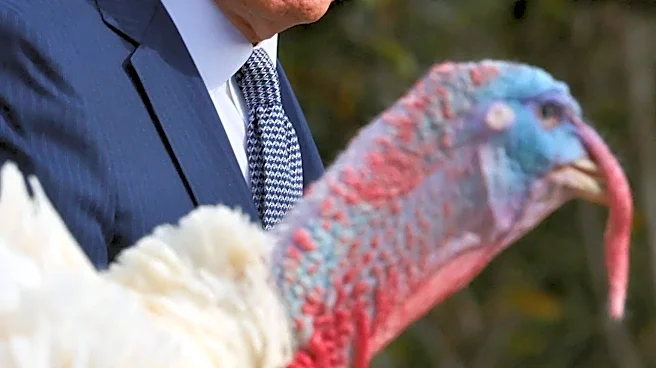
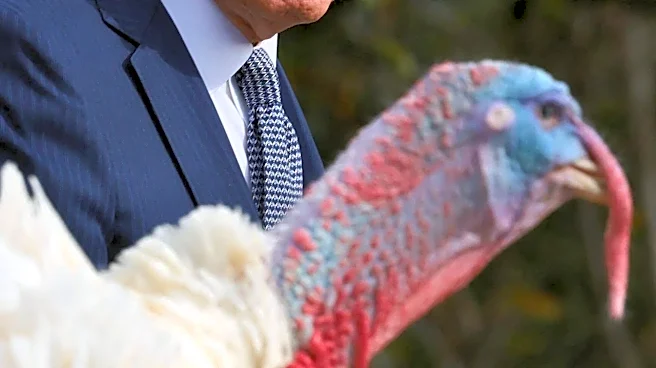
Good news: your Victorian ancestors would absolutely recognize the Thanksgiving turkey. After Abraham Lincoln declared Thanksgiving a national holiday in 1863, the turkey quickly became the meal's centerpiece, thanks in large part to advocates like Sarah Josepha Hale, who promoted it in popular magazines. But while the bird is a constant, the company it kept was different. In the 19th century, turkey often shared the table with a host of other proteins. Affluent families might serve roast pheasant, filet of beef, or even venison pastry. Along the East Coast, seafood was abundant and popular, with oysters served raw on the half shell, fried, or mixed into soups and stuffings. In fact, an oyster-based sauce was a more common accompaniment to turkey than the pan-dripping
gravy we know today.
The Side Dishes: A Tale of Convenience
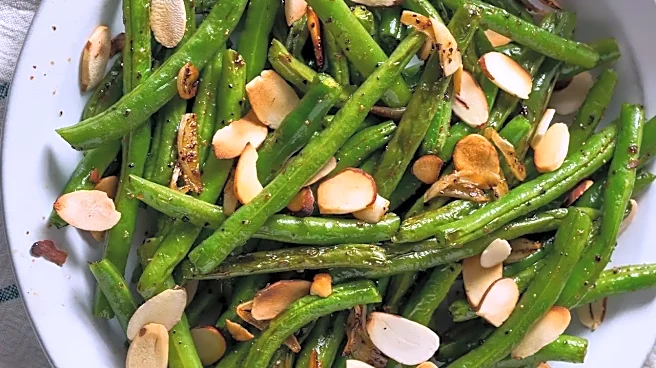
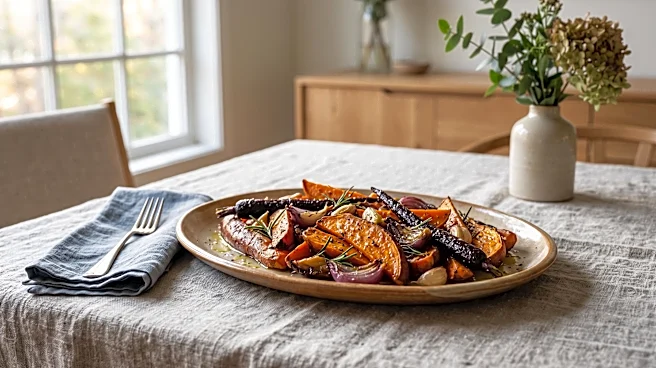
This is where the real divergence happens. A modern Thanksgiving table is loaded with casseroles and convenience-driven dishes that would be completely alien to a 19th-century cook. The most famous example is the green bean casserole. This icon of the holiday table wasn't invented until 1955, when Dorcas Reilly, a home economist at Campbell's, created the recipe using cream of mushroom soup and canned green beans. It was originally intended as a simple, year-round side but became a Thanksgiving staple in the 1960s when the recipe was printed on soup can labels. Similarly, the sweet potato casserole topped with marshmallows is a 20th-century creation. Victorian menus featured potatoes, both white and sweet, but often prepared as Duchess potatoes, parsnip fritters, or simply boiled or baked. Vegetables like onions, squash, and carrots were common, but often simply boiled and served with a cream sauce.
The Cranberry Question: Canned vs. From Scratch
While cranberries are native to North America and were paired with turkey as early as the late 1700s, the wobbly, ridged cylinder of jellied sauce is a modern marvel. For Victorians, cranberry sauce was a homemade affair, likely much tarter than what we're used to. The canned revolution began in 1912 when lawyer-turned-grower Marcus L. Urann developed a way to preserve cranberries, later helping found the cooperative that would become Ocean Spray. The jellied sauce in a can became widely available by 1941, perfectly aligning with the rise of post-war convenience foods that reshaped the American kitchen and the holiday table.
The Sweet Finish: A Parade of Pies and Puddings
Both eras finish the meal with dessert, but the Victorian spread was often more elaborate. Pumpkin pie was an established Thanksgiving classic by the mid-1800s, so that's one tradition that has held strong. However, it would have shared the dessert table with other pies like mince pie—which in that era often still contained beef and suet—and a variety of other sweets that are rare today. Steamed puddings, like plum pudding or Indian pudding made with cornmeal and molasses, were holiday staples. A wealthy Victorian host might also offer an elaborate Charlotte Russe, hickory nut cake, fancy ice creams, and a spread of fruits and cheeses.