



1. Pilgrim or Separatist?
We often use the word 'Pilgrim' to describe the English colonists at Plymouth, but it's a bit of a historical retcon. They wouldn't have called themselves that. They were known as 'Separatists'—a faction of English Protestants who had completely broken away from the Church of England, which they felt was beyond reform. The term 'pilgrim' refers to a person on a religious journey, a description their governor, William Bradford, used in his writings. But it only became their popular nickname in the 19th century. So, while all the Plymouth colonists were pilgrims in a general sense, the core religious group were more accurately called Separatists.
2. Sachem
When English colonists wrote about meeting Native American leaders, they often used the word 'sachem'.
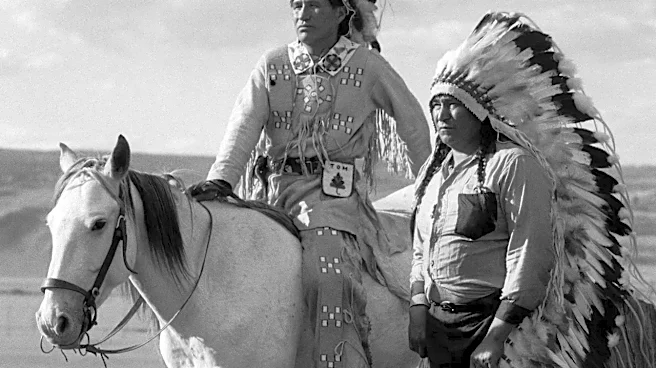
This is an Algonquian term for a leader or chief. A sachem's role wasn't like a European king with absolute power. Instead, they governed through consensus, council, and kinship networks. Their responsibilities included managing territory, settling disputes, and providing for people in need. The famous Wampanoag leader Ousamequin was the 'Massasoit,' or Great Sachem, a title indicating his leadership over a confederation of other sachems. The English, unfamiliar with this structure, often mistook 'Massasoit' for his personal name.
3. Wampanoag
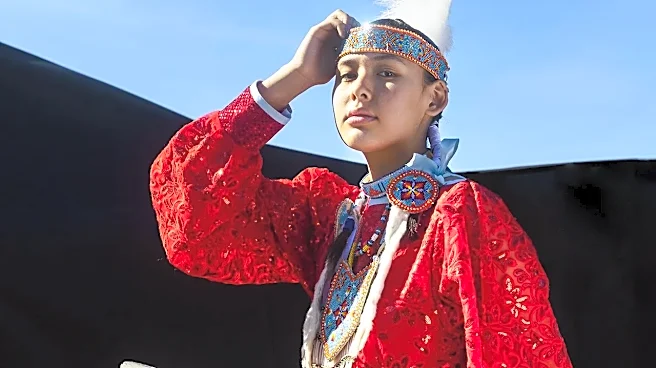
The Wampanoag are the Indigenous people of southeastern Massachusetts and Rhode Island who have lived there for over 12,000 years. They were the people who interacted with the Plymouth colonists, and their leader, Ousamequin (the Massasoit), formed a crucial alliance with the newcomers. The Wampanoag nation was not a single entity but a confederacy of different communities, each with its own sachem, all paying respect to the Great Sachem. Today, thousands of Wampanoag people continue to live in their ancestral homelands, preserving their culture and traditions.
4. Patuxet
The Plymouth colony wasn't built on untouched wilderness. It was established on the site of a Wampanoag village called Patuxet. Tragically, between 1616 and 1619, a devastating epidemic introduced by European traders swept through the region, wiping out entire communities, including most of the people of Patuxet. The English colonists arrived in 1620 to find cleared fields and a convenient harbor, but it was a landscape haunted by immense loss. One of the few survivors was Tisquantum (Squanto), who played a vital role in the colony's survival.
5. Wetu
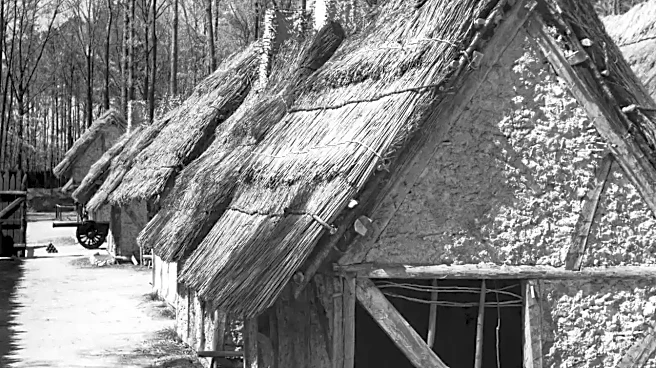
A wetu is a traditional Wampanoag home. These dome-shaped dwellings were ingeniously constructed from a frame of cedar saplings and covered with either bark or woven mats of cattail reeds. They were used as seasonal homes, often near the coast during the warmer months for farming and fishing. Inside, a fire pit in the center provided warmth, with a smoke hole at the top to let smoke escape. The homes belonged to the women of the family, and their circular shape was practical for even heating and held cultural significance, representing the cycles of life.
6. Maize
When colonists wrote about planting 'corn,' they weren't referring to the sweet yellow cobs we eat today. In 17th-century English, 'corn' was a generic term for any grain, like wheat or barley. The crop the Wampanoag taught them to cultivate was maize, a grain domesticated thousands of years ago in Mexico. This crop was entirely new to the Europeans. Maize was a cornerstone of Indigenous agriculture and diet, and its successful harvest was the entire reason for the 1621 feast. Without maize, the Plymouth colony likely would not have survived its first few years.
7. Blunderbuss
Often associated with depictions of Pilgrims, the blunderbuss was a short, large-caliber firearm with a flared muzzle. Its name comes from the Dutch 'donderbus,' meaning 'thunder gun'. The distinctive flared barrel made it easier to load with shot (like small pellets) or other projectiles. While good for short-range, close-quarters situations, it wasn't very accurate. Though we often see it in Thanksgiving illustrations, the blunderbuss was still relatively new in the early 17th century and more common in naval combat than in a colonist's personal arsenal.