


Beyond the Turkey Trot and Football
For many, Thanksgiving has become a whirlwind of cooking, cleaning, and channel surfing. But what if you could swap the stress for a seat at a table where every dish tells a story? Across the country, living history museums and cultural institutions are hosting Thanksgiving events that do just that. These aren't just themed dinners; they are curated experiences led by historians, cultural interpreters, and educators. The goal is to move beyond the cartoonish images of Pilgrims and Native Americans and engage with the holiday's origins in a more thoughtful way. Imagine a meal where the conversation is guided by experts who can illuminate the political alliances, agricultural struggles, and cultural encounters that shaped the 17th century. It’s
an opportunity to transform a passive holiday into an active, educational, and unforgettable event.
A Menu That Teaches
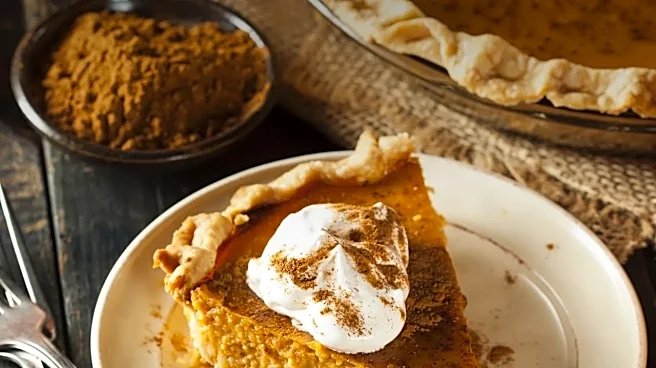
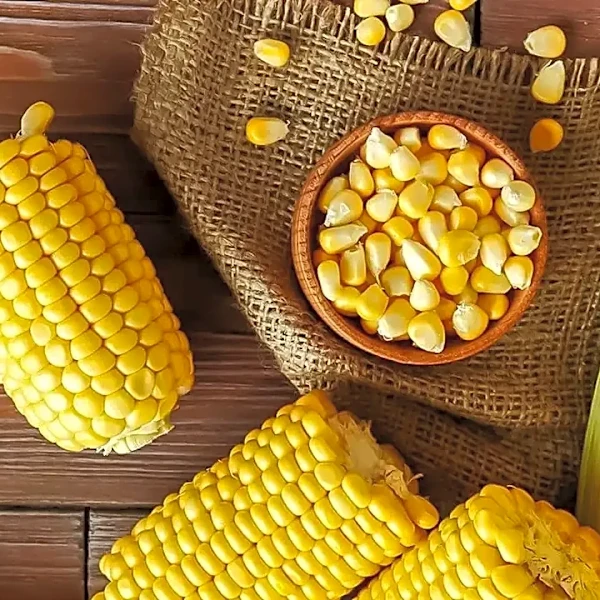
The star of these events is often the menu itself, which serves as a delicious history lesson. While you'll likely find roast turkey, the offerings are often a blend of historical accuracy and modern palates. You might be surprised by what was—and wasn't—on the table in 1621. Historical accounts point to a three-day feast featuring venison, which was brought by the Wampanoag, as a central protein. Wild fowl, such as duck and geese, were also present, along with seafood like lobster and clams. Crucially, many modern staples were absent: there was no pumpkin pie (due to a lack of butter and flour for a crust), no potatoes, and no jellied cranberry sauce from a can. By tasting dishes inspired by the 17th-century harvest, guests gain a tangible connection to the past, understanding the resourcefulness and diet of the Wampanoag and English colonists.
Engaging with a Complicated Past
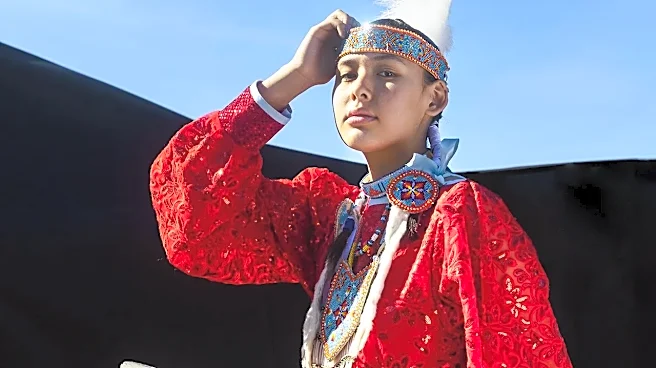
A responsible historical dinner doesn't shy away from the complexities of Thanksgiving. The story of 1621 is not a simple tale of friendship. It's an account of a temporary, strategic alliance between the English colonists, who had barely survived their first year, and the Wampanoag Nation, who were dealing with the devastating effects of European-brought diseases and regional political pressures. Premier institutions like Plimoth Patuxet Museums in Massachusetts make a point to explore these nuances. The name itself, changed from 'Plimoth Plantation' in 2020, reflects a commitment to a more inclusive narrative by including the Wampanoag name for the area. These events provide a space to learn about the Wampanoag perspective, often from Indigenous interpreters themselves, and to understand that for many Native Americans, Thanksgiving is a day of mourning. This dual perspective is something rarely found at a typical family gathering.
What to Expect and Where to Look
If you're ready to experience history firsthand, look for events at 'living history' museums or historical societies in your region. Searching for terms like 'Harvest Dinner,' 'Colonial Thanksgiving,' or 'The Story of Thanksgiving Dinner' can yield promising results. Plimoth Patuxet Museums is the most famous, offering several dining experiences, from a formal, educator-led plated dinner to a more casual buffet. These popular events often sell out months in advance, so booking early is essential. While there, you can interact with costumed role-players who portray 17th-century English colonists and speak with modern-day Native professionals at the Wampanoag Homesite who share their culture and history. It’s an immersive experience that brings the past to life, offering a powerful alternative to a standard holiday meal.