

The Event We Picture: A Harvest Festival
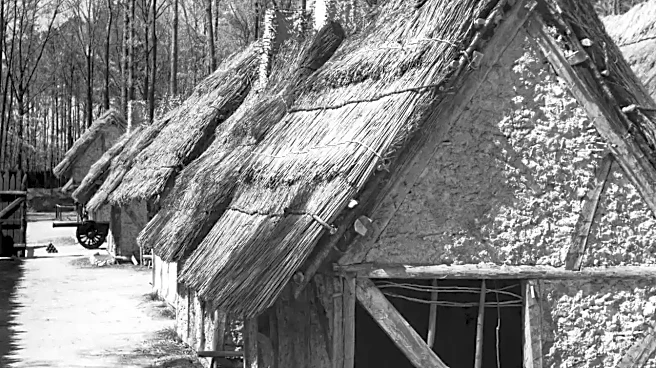
The famous 1621 gathering in Plymouth was a three-day secular event to celebrate a successful harvest after a brutal first winter. It was a continuation of an English and European tradition of harvest festivals. Edward Winslow, one of the few primary sources, notes that about 50 colonists and 90 Wampanoag men, led by their leader Ousamequin (also known as Massasoit), shared in feasting and recreation. The Wampanoag, who had helped the struggling colonists, weren't necessarily formal guests; some accounts suggest they arrived after hearing celebratory gunfire and then contributed five deer to the meal. The menu featured venison, wildfowl (like ducks, geese, and possibly turkey), fish, and local crops like corn, but lacked staples of the modern
table like potatoes, pumpkin pie, and cranberry sauce. In the colonists' own view, because the event was centered on feasting and games, it was a celebration, not a formal 'thanksgiving'.
The Other 'Thanksgiving': A Day of Prayer
For 17th-century English Puritans and Pilgrims, a 'day of thanksgiving' was a specific, solemn religious observance. These were not annual holidays tied to the harvest. Instead, they were proclaimed by civil or religious leaders in response to a specific act of divine providence, such as the end of a drought, recovery from sickness, or a military victory. These days were marked by church services, prayer, and sometimes fasting—the focus was on worship, not feasting. In fact, the colonists at Plymouth held what they would have considered their first real day of thanksgiving in 1623, two years after the harvest feast, to thank God for rain that ended a devastating drought. Puritans also observed 'days of humiliation and fasting' to atone for sins when faced with misfortunes like disease or poor crops, which were often seen as signs of God's displeasure.
The Wampanoag Perspective: More Than a Meal
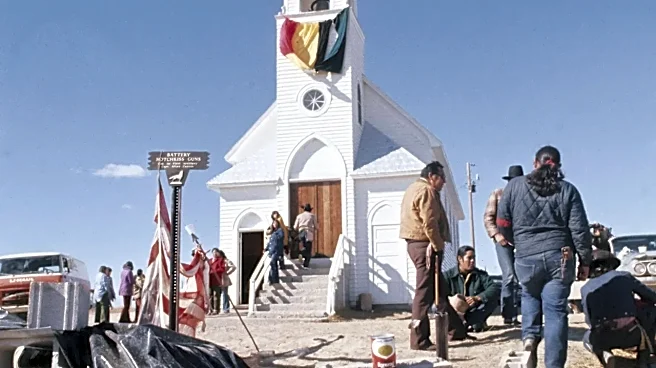
For the Wampanoag people, giving thanks was an integral part of daily life and had been for millennia before the Pilgrims arrived. They held numerous ceremonies and festivals throughout the year to honor the Creator's gifts, from the hope of a good growing season to the harvest of specific crops like strawberries and corn. Their participation in the 1621 feast was an extension of this worldview, but also a moment of complex diplomacy. The Wampanoag nation had been devastated by diseases introduced by earlier European contact and saw a potential alliance with the colonists as a way to defend themselves against rival tribes. For many modern Native Americans, the Thanksgiving holiday is complicated, serving as a painful reminder of colonization, broken promises, and the genocide of millions. The United American Indians of New England, for instance, have observed a National Day of Mourning on Thanksgiving Day since 1970 to protest the racism and oppression Native Americans continue to face.
Creating a National Myth
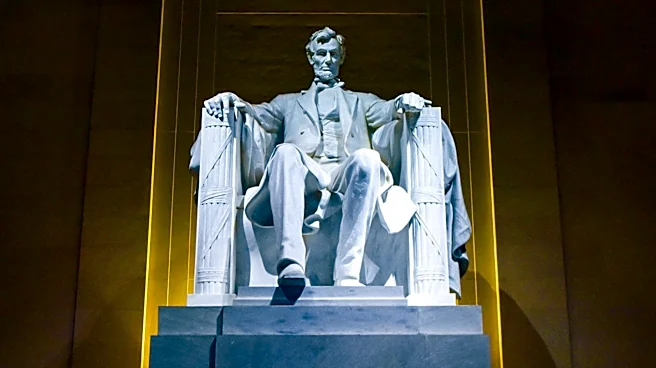
So how did these two separate traditions—the harvest feast and the religious day of thanks—merge into the holiday we know today? The modern version of Thanksgiving is largely a 19th-century creation. For decades, Sarah Josepha Hale, the influential editor of 'Godey's Lady's Book', campaigned for a national Thanksgiving holiday. She envisioned it as a unifying force for a country that was fracturing over slavery, a civic holiday that would celebrate family and faith. In 1863, in the midst of the Civil War, President Abraham Lincoln was finally persuaded by Hale and issued a proclamation setting aside the last Thursday in November as a national day of 'Thanksgiving and Praise'. It was only after this that New Englanders began to look back at the 1621 feast and label it the 'First Thanksgiving,' connecting it to their own traditions and creating the powerful origin story that has been passed down through generations.