



Myth: A Lasting Peace Was Forged
The common narrative suggests the 1621 harvest feast cemented a friendly, lasting alliance. This moment of cooperation is often presented as the defining feature of Pilgrim-Wampanoag relations. While a temporary political alliance did exist—driven by mutual need as the Wampanoag had been weakened by European-introduced diseases and the English were struggling to survive—it was fragile and short-lived. The feast itself was less a planned gathering and more a result of the Wampanoag investigating the sounds of a celebratory volley of firearms from the colony. The school-pageant version of events freezes this one moment in time, creating the impression of a permanent, happy union that was never a reality.
Reality: Decades of Conflict and Dispossession
The half-century after the feast saw the relationship
completely unravel. As waves of English settlers arrived, they pushed relentlessly inland, encroaching on Wampanoag lands. Tensions culminated in 1675 with King Philip's War, one of the deadliest conflicts in American history. Led by the Wampanoag sachem Metacom (known to the English as Philip), a coalition of tribes fought back against colonial expansion. The war was devastating. By its end in 1676, the Wampanoag population had been decimated, with thousands killed and many survivors, including Metacom's own wife and son, sold into slavery in the West Indies. This was not a story of friendship, but of brutal conflict and displacement.
Myth: The Wampanoag Vanished from History
After the war, the Wampanoag people seem to disappear from mainstream American history textbooks, presumed to have been wiped out or fully assimilated. Many Americans believe there are no Wampanoag left. This narrative of extinction conveniently erases the complex and often difficult history that followed, allowing the Thanksgiving myth to exist without a troubling epilogue.
Reality: A Nation That Endured
The Wampanoag Nation survived. Though their numbers were drastically reduced and their political power broken, communities persisted, particularly on Cape Cod and the islands of Martha's Vineyard and Nantucket. Today, there are several organized Wampanoag communities, including two that are federally recognized: the Mashpee Wampanoag Tribe and the Wampanoag Tribe of Gay Head (Aquinnah). These tribes are sovereign governments with their own police forces, courts, and social services, managing tribal lands and serving thousands of citizens. Far from being historical relics, they are active, modern communities fighting for their land rights and sovereignty in federal courts and Congress.
Myth: Their Culture and Language Are Gone
A common assumption is that centuries of pressure to assimilate extinguished Wampanoag culture and language. The belief is that what it meant to be Wampanoag was lost to time, surviving only in museums. While the pressures were immense, and speaking the language was at one point a punishable offense, the culture was never fully erased.
Reality: A Powerful Cultural and Linguistic Revival
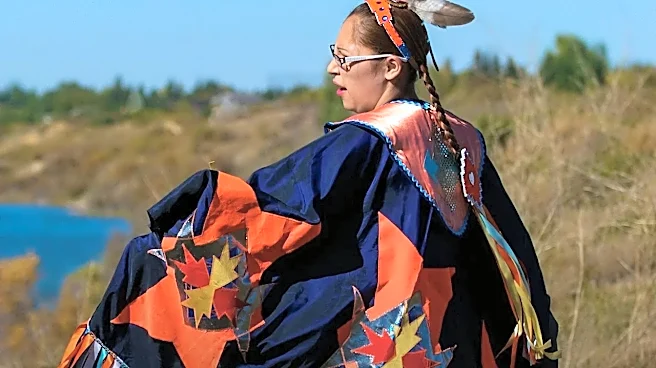
Today, Wampanoag culture is undergoing a vibrant revitalization. A cornerstone of this is the Wôpanâak Language Reclamation Project. Started in 1993 by tribal members, the project has painstakingly brought the language back from extinction using historical documents, including a 17th-century Bible translated into Wampanoag. There are now new generations of speakers, language immersion schools for children, and community classes. This linguistic revival has fueled a broader cultural renaissance, strengthening identity and reconnecting people to their ancestral traditions, from annual powwows to the stewardship of their lands.