

From Myth to Meaning
For generations, the Thanksgiving lesson has been a staple of American elementary schools, often complete with construction-paper headdresses and feel-good plays. But educators and historians have grown increasingly critical of this simplified narrative. In response, the Smithsonian's National Museum of the American Indian has developed a suite of resources, including a formal lesson plan titled 'The First Thanksgiving: How Can We Tell a Better Story?'. This central question reframes the entire holiday, moving it from a passive celebration of a myth to an active investigation of history. Instead of just accepting the story of a friendly meal, the museum's 'Native Knowledge 360°' initiative encourages students to ask why the story has been told
in a certain way and whose perspectives have been left out. It's a shift from rote memorization to critical thinking.
Deconstructing the 'First Feast'
The popular Thanksgiving myth centers on a peaceful, three-day feast where English colonists and nameless Native Americans put aside their differences. The reality, as detailed in the museum’s resources and by historians, is far more complex and less idyllic. For one, the Wampanoag people, the tribe present at the 1621 gathering, were not encountering Europeans for the first time; they had a century of bloody contact, including slave raids, behind them. Nor were they an empty slate. They were a sophisticated political nation with their own territory and laws. The meal itself wasn't a planned invitation, either. Hearing celebratory gunfire, Wampanoag men arrived fearing an attack, as part of a mutual defense pact they had with the struggling colony. It was less a dinner party and more a tense diplomatic meeting rooted in self-preservation on both sides.
A Story of Alliance, Then Betrayal
The Smithsonian's approach emphasizes the context that the traditional story erases. The Wampanoag, led by their sachem Ousamequin, had been devastated by a recent epidemic and saw an alliance with the English as a strategic move against their tribal rivals. This alliance was real, but it was fragile. The myth of the feast implies a lasting friendship, but it completely ignores the rapid deterioration of relations that followed. Within a generation, the English colonists' hunger for land led to King Philip’s War, one of the deadliest conflicts in American history, which shattered the Wampanoag nation. As historian David Silverman points out, the traditional Thanksgiving story conveniently has the Native people 'hand off America to white people' and then disappear, an idea that supports the ideology of Manifest Destiny while erasing a brutal history of conflict and Indigenous survival.
Changing the Conversation in the Classroom
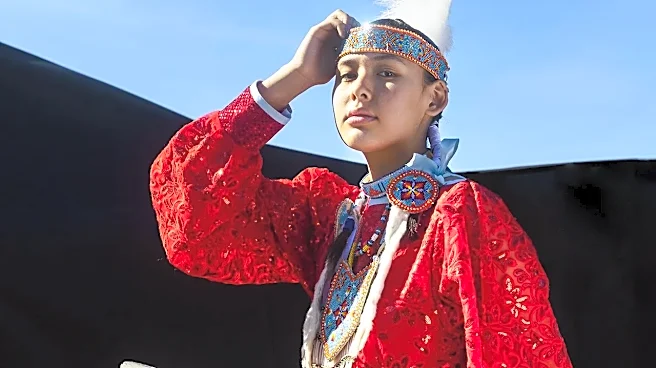
The goal of these new resources is not to induce guilt, but to foster a more complete and honest understanding of American history. By asking 'How can we tell a better story?', the Smithsonian provides tools for teachers to move beyond the 'food, clothing, and shelter' trilogy of teaching about Native cultures. The resources encourage the use of primary sources, including Native perspectives, and even suggest making 'sovereignty' a classroom vocabulary word. It challenges educators to use the present tense when discussing Native peoples, reminding students that they are not just figures of the past but are still here today. This shift is about more than just Thanksgiving; it’s an attempt to integrate a more nuanced and accurate portrayal of Indigenous history and life into the American curriculum year-round.