

Myth: A Friendly, Pre-Planned Potluck
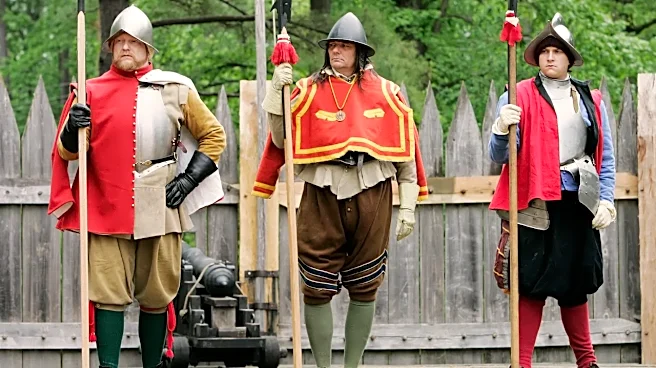
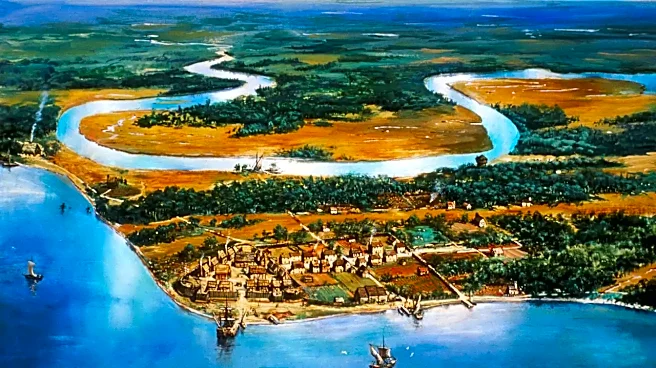
The classic story suggests the English colonists, in a gesture of goodwill, invited their new Native friends to a planned feast. It paints a picture of two cultures coming together intentionally for a shared meal. The reality, however, is likely more complicated and far less planned. The only primary account of the event, from colonist Edward Winslow, describes the English celebrating their harvest by 'exercising our arms'—firing guns. Hearing the commotion, the Wampanoag leader, Massasoit, arrived with 90 men. It's more probable they appeared to investigate a potential threat or as a display of strength, not because they received a dinner invitation. The 'feast' then became a three-day diplomatic engagement, not a simple friendly meal.
Reality: A Tense and Strategic Alliance
The idea
that the English and Wampanoag were fast friends is a significant oversimplification. Their relationship was born of mutual desperation. The English were starving and ill-equipped, having lost half their population during the first brutal winter. The Wampanoag, meanwhile, had been recently devastated by a plague (brought by earlier European contact) that wiped out up to 90% of their population in some areas. This left them vulnerable to their rivals, the Narragansett. Massasoit saw the colonists, with their powerful firearms, as potential allies. The 1621 gathering was less about friendship and more about maintaining a fragile political and military alliance that had been formally agreed upon months earlier.
Myth: A Classic Thanksgiving Menu
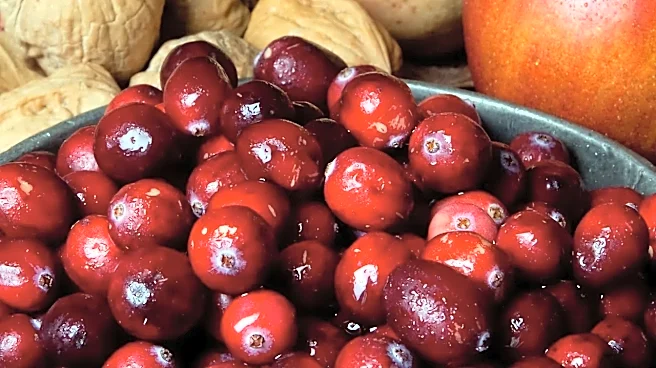
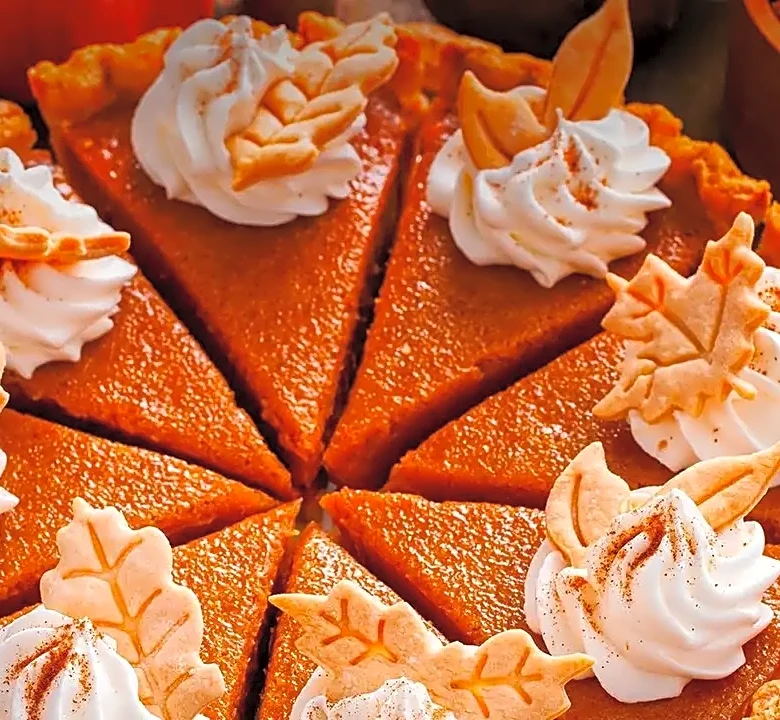
Our modern tables groan with turkey, mashed potatoes, pumpkin pie, and cranberry sauce. Surely, they ate the same, right? Not quite. While wild fowl was on the menu, it could have been duck or goose just as easily as turkey. The Wampanoag contributed significantly to the meal, bringing five deer. Seafood like lobster, clams, and eel was likely a major part of the spread. What was missing is more notable: there were no potatoes of any kind, as they hadn't yet been introduced to North America from the south. With no wheat flour or sugar, there were no pies, breads, or the sweet cranberry sauce we know today.
Reality: A Secular Harvest Meal, Not 'Thanksgiving'
The colonists wouldn't have called this event 'Thanksgiving.' For the devout English Separatists, a day of thanksgiving was a religious affair of fasting and prayer, not feasting. The 1621 event was a secular harvest celebration, much like festivals common in England and throughout Indigenous cultures for centuries. The term 'Pilgrims' itself is an anachronism; they called themselves 'Saints' or 'Separatists'. The idea of this specific meal being the 'First Thanksgiving' and the origin of our modern holiday was created much later, largely by 19th-century writers and politicians, like Sarah Josepha Hale and Abraham Lincoln, who wanted to craft a unifying national origin story.