




1. The 'Happy Feast of Friends' Frame
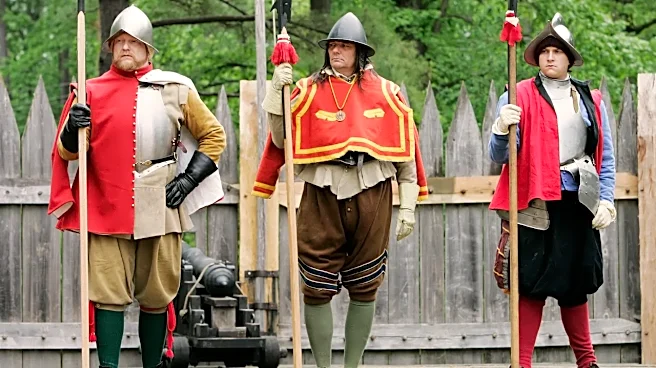
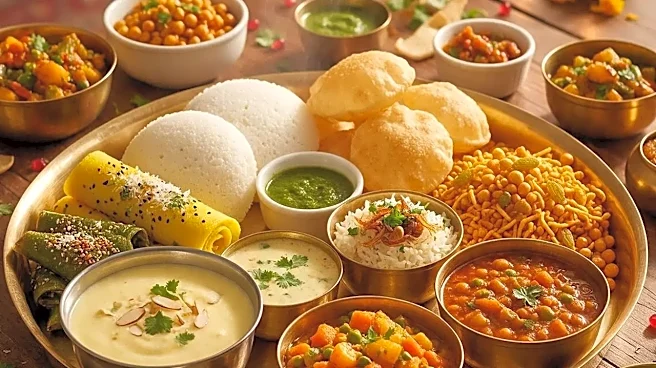
The most pervasive narrative is that of a simple, pre-planned dinner party. In this version, Pilgrims and their Native 'friends' sit down together in equal, harmonious measure to celebrate a successful harvest. The reality, according to historians and Wampanoag accounts, is far more complex. There was a harvest gathering in 1621, but it was not a pre-planned, multicultural celebration. The Wampanoag, led by their leader Ousamequin (also known as Massasoit), likely showed up after hearing celebratory gunfire from the colony. They were not formally invited to a 'thanksgiving' meal but arrived as part of a diplomatic visit, contributing five deer to a feast that lasted three days. Framing it as a simple, happy meal erases the political alliance
and underlying tensions that defined the moment.
2. The 'Generic, One-Dimensional Indian' Trope
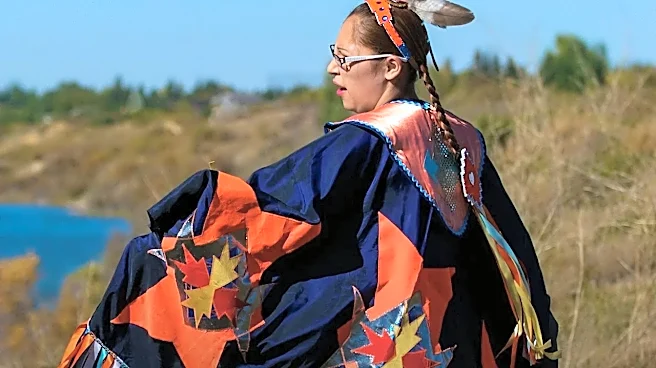
Many older books present 'the Indians' as a single, monolithic group who exist only to help the struggling colonists. They are often depicted with inaccurate clothing, such as the feathered war bonnets of Plains tribes, which were not worn by the Wampanoag of the Northeast. These portrayals strip the Indigenous people of their identity, presenting them as nameless, primitive sidekicks. The truth is that the English settlers encountered the Wampanoag Nation, a complex society with its own government, culture, and history. Individuals like Tisquantum (Squanto) had their own dramatic stories—he had been kidnapped, enslaved in Europe, and returned home only to find his entire Patuxet village wiped out by disease. His assistance was born of necessity, not simple kindness.
3. The 'Heroic Pilgrims vs. The Wilderness' Story
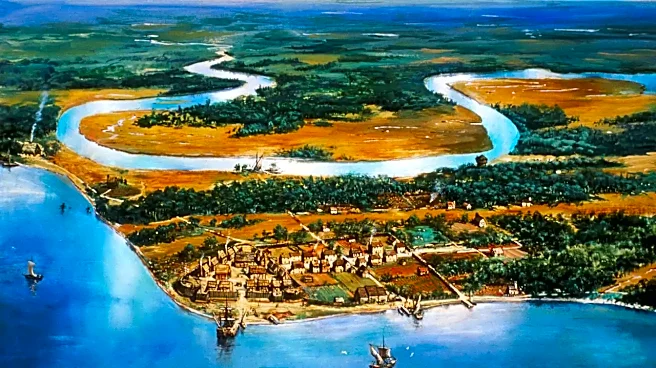
Children's stories often cast the Pilgrims as brave religious heroes venturing into an empty, untamed wilderness. This narrative focuses on their suffering during the first winter and their piety, positioning their survival as a divinely-ordained triumph. What this framing omits is that the land was not empty. The Pilgrims settled on the site of Patuxet, a Wampanoag village that had been abandoned after a deadly plague, likely introduced by European traders, killed up to 90% of the local population between 1616 and 1619. They found cleared fields and stores of corn because they were moving into a graveyard, a fact that fundamentally changes the story from one of taming a wilderness to one of opportunistically occupying a tragedy-stricken land.
4. The 'And They Lived Happily Ever After' Myth
By freezing the story in 1621, these books present the harvest feast as the peaceful beginning of a long and fruitful friendship, an origin story for American harmony. This rosy picture completely ignores the devastating aftermath. The initial treaty of mutual protection between the Wampanoag and the colonists was short-lived. Within a generation, relations deteriorated into conflict, leading to King Philip's War (1675-1676), a brutal conflict named for Massasoit's own son, Metacom. The war devastated the Wampanoag and other regional tribes. To frame the 1621 feast as a happy beginning is to willfully ignore the subsequent centuries of displacement, violence, and cultural destruction that followed, a reality for which many Native Americans observe Thanksgiving as a National Day of Mourning.
5. The Shift to 'Being Thankful'
As awareness of the traditional myth's inaccuracies has grown, a newer trend has emerged: books that sidestep the history altogether. These stories focus entirely on the modern, secular concept of Thanksgiving as a day for family, food, and gratitude, often featuring cute turkeys or autumnal themes. While an improvement over perpetuating harmful stereotypes, this approach can also be a form of erasure. It avoids the difficult history by simply changing the subject. In response, a new wave of children's literature, often written and illustrated by Native creators, is working to reclaim the narrative. Books like 'Keepunumuk: Weeâchumun's Thanksgiving Story' tell the story from a Wampanoag perspective, centering their culture and traditions of gratitude, which have always been a part of their way of life.