
The Thanksgiving story is a fixture of American identity: pilgrims and Native Americans sharing a harvest feast in harmony. But this comforting image is a snapshot, not the whole story. Focusing on the meal hides the bitter reality of what came next.
The Alliance of Convenience
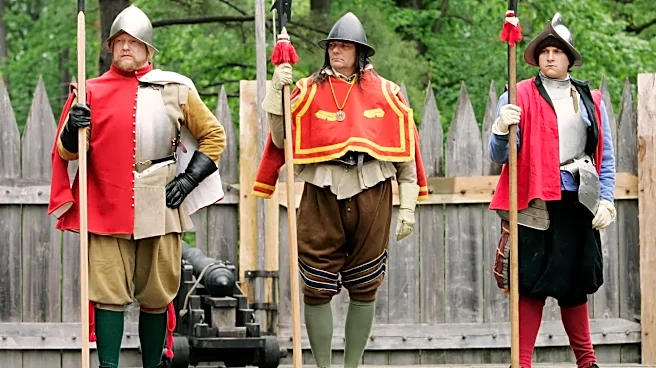
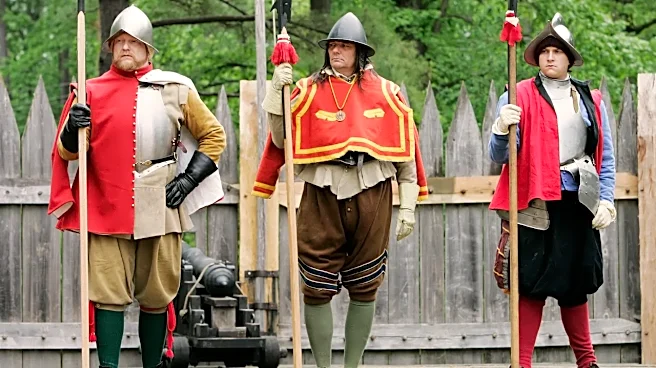
The familiar tale of the 1621 feast is not entirely fiction, but it is deeply sanitized. It was less a moment of spontaneous friendship and more a fragile, temporary political alliance. The Wampanoag people, led by their sachem Massasoit, had been devastated by a plague, losing up to 90 percent of their population in the years just before the Pilgrims arrived. They saw the struggling English settlers, with their firearms, as potential allies against their regional rivals, the Narragansett tribe.
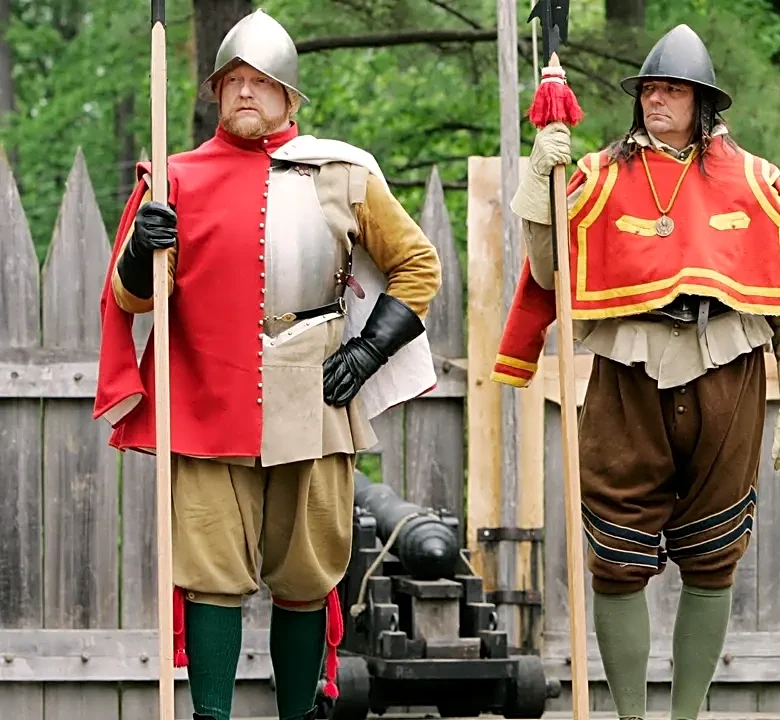
For their part, the Plymouth colonists were on the brink of starvation and militarily weak. The 'first Thanksgiving' was an act of mutual desperation and strategic survival, not the idyllic beginning of a beautiful friendship. Massasoit and his 90 men were not even invited; they showed up at the English settlement, prompting a nervous three-day affair that was more diplomatic negotiation than dinner party.
Decades of Rising Tension
The peace brokered by Massasoit held for a time, but the ground beneath it was constantly shifting. The English population swelled as more ships arrived, bringing settlers with an insatiable hunger for land. The colonists' agricultural practices—clearing vast tracts of forests and fencing off land they considered private property—clashed directly with the Wampanoag's more communal and seasonal use of the territory. English livestock often destroyed Native cornfields, leading to disputes that were rarely settled in the Natives' favor. Furthermore, the colonists' religious fervor led to aggressive missionary efforts to convert the Wampanoag to Christianity, which was seen as a profound threat to their cultural identity and political structures. What began as a partnership of equals quickly devolved into a relationship of colonial dominance and indigenous resentment.
King Philip's War
The breaking point came in 1675, a little over 50 years after the feast. Massasoit’s son, Metacomet—whom the English mockingly called 'King Philip'—had watched his world crumble. He saw the colonists' laws encroaching on his people's sovereignty and their land purchases as a slow-motion theft of his inheritance. After years of simmering grievances, a conflict erupted that would become one of the bloodiest in American history: King Philip’s War. For 14 months, a coalition of Native tribes led by Metacomet fought a desperate, brutal war against the English colonists and their Native allies. The war was catastrophic. Dozens of English towns were destroyed, but the impact on the Native population was apocalyptic. Entire tribes were wiped out. By the war's end, Metacomet was hunted down, killed, and dismembered. His head was displayed on a pike in Plymouth for over two decades—a gruesome symbol marking the end of Indigenous autonomy in southern New England.
Crafting a National Myth
If the reality was so grim, why do we cling to the story of a happy feast? The modern Thanksgiving holiday was born in the 19th century, not the 17th. In 1863, President Abraham Lincoln declared Thanksgiving a national holiday during the heart of the Civil War. He and the story's popularizers, like magazine editor Sarah Josepha Hale, were looking for a unifying national origin story. They needed a tale of peaceful beginnings to bind a fractured nation together. The image of colonists and Native Americans sharing a meal served this purpose perfectly. It created a powerful, if fictional, foundation myth that celebrated peaceful coexistence and conveniently erased the brutal conquest and dispossession that truly defined the relationship. The happy ending wasn't the end of the story; it was a deliberate rewrite.