





1. The Glorious Rise of 'Convenience'
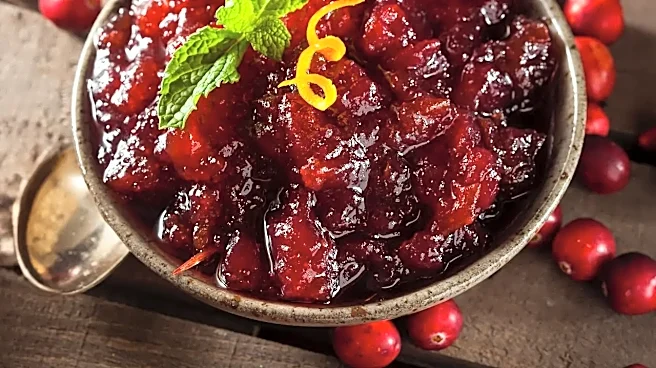
Today, we debate scratch-made versus store-bought, but for mid-century shoppers, convenience was a modern marvel. Ads from the 1950s and 60s celebrate innovations that saved hours in the kitchen. Canned cranberry sauce, first introduced by Ocean Spray in the 1940s, was advertised as a sophisticated and essential part of the meal. Similarly, the advent of instant mashed potatoes and pre-made stuffing mixes, like Stove Top, were pitched as revolutionary time-savers, allowing the host to focus on the main event instead of peeling and boiling for hours. These products weren't just food; they were a symbol of progress and a changing relationship with domestic labor.
2. The Reign of the Wobbly Jell-O 'Salad'
Perhaps nothing dates a vintage ad faster than a shimmering, gelatin-based 'salad'.
For decades, Jell-O was not just a dessert but a legitimate side dish, often appearing in savory, and to modern tastes, bizarre, combinations. Ads featured recipes for congealed salads containing everything from shredded cabbage and celery in lime Jell-O (the famous 'Perfection Salad') to canned tuna or shrimp suspended in a tangy mold. This trend reveals a fascination with novel food textures and presentations. A molded salad was seen as elegant and creative, a far cry from a simple bowl of greens and a sign of a truly modern hostess.
3. A Different Cast of Supporting Dishes
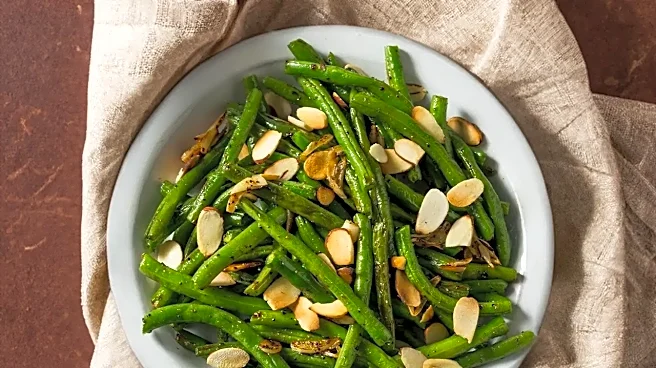
While turkey, stuffing, and potatoes have long been staples, the rest of the table looked quite different. Green bean casserole, for instance, didn't become a national phenomenon until Campbell's Soup Company invented the recipe in 1955 to promote its cream of mushroom soup. Before that, you were more likely to see ads for creamed onions, brandied sweet potatoes, or mincemeat pies, which were advertised for stuffing as well as dessert. The variety and number of side dishes have expanded over time, reflecting both a growing national palate and the marketing efforts of food companies.
4. The Strict Targeting of 'Mrs. Homemaker'
Vintage food ads are a masterclass in gendered marketing. The copy almost exclusively addresses the woman of the house, positioning her as the sole manager of the holiday meal and the family's happiness. Ads speak to 'her' need for efficiency, her desire to impress guests, and her duty to create a perfect family memory. The imagery reinforces this, showing perfectly coiffed women effortlessly pulling flawless turkeys from the oven. Men, if they appear at all, are typically seated at the head of the table, ready to carve and receive the meal. These ads act as a clear snapshot of the prevailing domestic gender roles of the era.
5. Cigarettes and Beer Were Holiday Essentials
It can be jarring to see cartons of cigarettes or cases of beer advertised with the same holiday cheer as pumpkin pie. Yet, in mid-century ads, they often appear side-by-side with the groceries. Lucky Strike ran ads suggesting their cigarettes would make for a 'happy time' on Thanksgiving. Budweiser and Pabst Blue Ribbon positioned their beer as the perfect, all-American beverage to accompany the feast. These placements show a vastly different cultural attitude toward health and what constituted a necessary component for holiday hosting and celebration.
6. The Visuals Were About Perfection, Not 'Rustic' Charm
Today's food photography often embraces a rustic, slightly imperfect aesthetic—a drizzle of spilled gravy, a crumble of pie crust. Vintage food ads took the opposite approach. The goal was flawless, almost artificial-looking perfection. Turkeys were impossibly golden, cranberry sauce was a smooth, unblemished cylinder, and gelatin salads were jewel-toned and perfectly molded. This visual style reflected the era's broader design trends and the idea that modernity meant conquering the messiness of nature. It was less about 'farm-to-table' and more about 'factory-to-flawless'.
7. The Lost World of Local Grocery Chains
Many of these old advertisements are for grocery chains that no longer exist or have been absorbed into national conglomerates. Names like A&P, Grand Union, or regional players like Jewel and Piggly Wiggly were once the titans of the Thanksgiving shopping rush. These ads remind us of a time when the grocery landscape was more fragmented and local. Seeing an ad for a long-gone neighborhood store evokes a sense of place and time, highlighting how much corporate consolidation has changed the American consumer experience in just a few generations.