




Stop Hugging the Walls
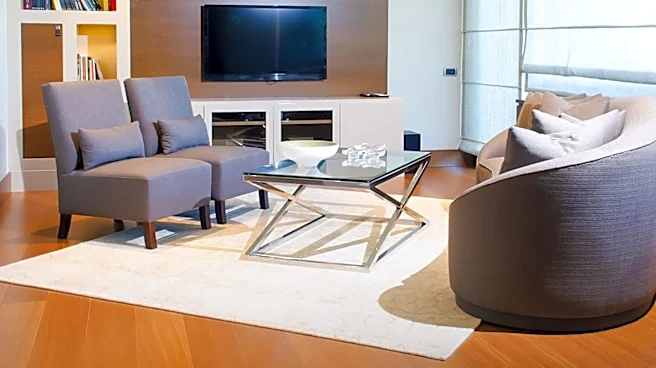
The most common mistake homeowners make is pushing every piece of furniture flat against the walls. It feels logical—more open space in the middle, right? But this 'wallflower syndrome' actually makes a room feel awkward and static, like a waiting room. It forces guests to shout across a void and kills conversational flow. The fix is simple and transformative: float your furniture. Pull the sofa and chairs a few inches away from the walls. This creates an illusion of depth and intention. Arrange your main seating pieces into a cozy island, facing each other to encourage connection, not a shouting match.
Create Zones for Mingling
A single, large circle of seating can feel stiff and formal. For a party, the goal isn't one big audience but multiple, smaller pockets of activity.
Think like a party planner and create distinct zones. Group a pair of armchairs in one corner and position the sofa to face a loveseat in another. Use area rugs to visually anchor each zone, signaling to guests that this is a place to gather. This approach breaks up a large room and gives a small room more function, allowing people to drift between conversations naturally instead of feeling pinned to one spot all evening.
Give the Food Its Own Stage
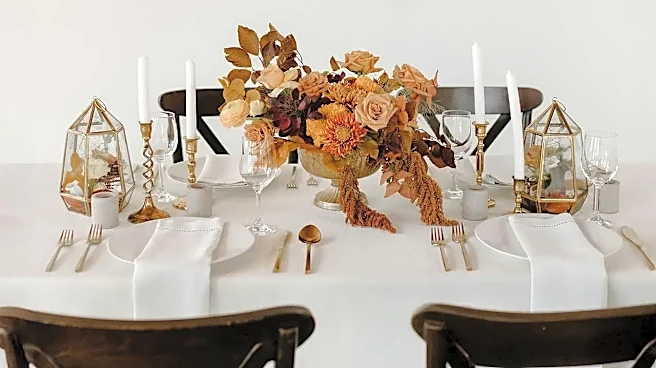
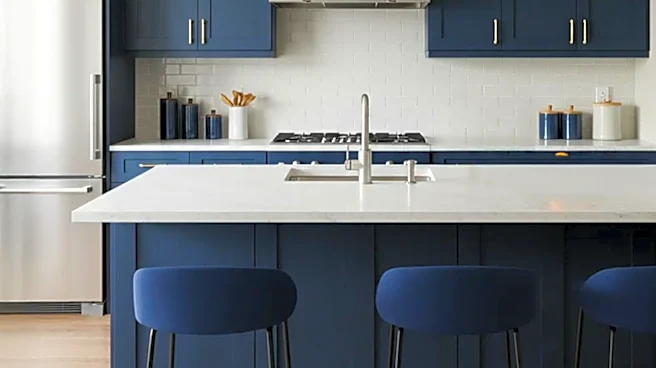
When the dining table is groaning under the weight of the turkey, sides, and pies, it leaves little elbow room for the people actually trying to eat. A crowded table creates chaos. The solution is to move the food. Designate a separate surface as a buffet station. This could be a kitchen island, a console table, or a sideboard. This strategy accomplishes two things: it frees up precious real estate on the dining table for place settings and conversation, and it creates a clear, manageable flow for traffic, preventing a bottleneck in the kitchen or around the main table.
Embrace Flexible and Multi-Use Pieces
Thanksgiving hosting is the ultimate test of furniture flexibility. That ottoman isn't just a footrest; it's an extra seat. Nesting tables can be spread out to give more guests a place to set a drink. A sturdy bench can often seat more people than individual chairs, especially younger guests, and can be tucked under the table when not in use. Don't be afraid to temporarily repurpose furniture from other rooms. A small desk can become a drink station, or a bedroom bench can serve as a spot for guests to place their bags. The goal is function over rigid formality.
Rethink Your Traffic Patterns
Before guests arrive, do a walkthrough. Can people move freely from the living room to the dining area and to the kitchen without squeezing past a chair or bumping into a table corner? Good traffic flow is about creating clear, comfortable paths at least three feet wide where possible. If you have to turn sideways to get through, your furniture is too close. Pay special attention to the routes between seating areas and the food and drink stations. Clearing these pathways is more important than cramming in one more piece of decor. A room that’s easy to navigate feels larger and more welcoming to everyone.