



A Humble, European-Inspired Beginning
The story begins not with a national broadcast, but with a clever business idea in 1924. Macy's, celebrating the expansion of its Herald Square 'World's Largest Store', wanted to create a spectacle to officially kick off the Christmas shopping season. Many of the store's employees were first-generation European immigrants who suggested a festival reminiscent of their native traditions. The first event, then called the 'Macy's Christmas Parade', featured employees in costume, floats, bands, and even live animals borrowed from the Central Park Zoo, including camels, elephants, and bears. It was an immediate local hit, drawing an estimated 250,000 spectators and convincing Macy's to make it an annual tradition.
Balloons and Radio Build a Reputation
The parade's most iconic elements
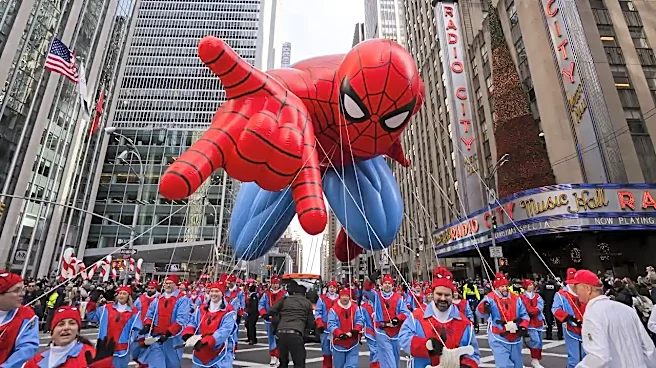
were born from practicality. The live zoo animals were reportedly frightening to some children and difficult to manage. In 1927, puppeteer and designer Tony Sarg proposed replacing them with massive, air-filled 'upside-down marionettes'. The first character balloon, Felix the Cat, was an instant sensation, forever changing the parade's identity. A year later they were filled with helium, allowing them to float. Throughout the 1930s, the parade's fame grew beyond New York, thanks to radio broadcasts that began in 1932, allowing millions across the country to imagine the spectacle. By 1933, live crowds swelled to over a million people, cementing the parade as a major event.
The Television Game-Changer
The single biggest leap from street parade to national ritual happened after World War II, during which the parade was paused as rubber and helium were donated to the war effort. The event was first televised locally in New York in 1946. Its national profile skyrocketed with the 1947 film 'Miracle on 34th Street', which featured footage from the 1946 parade. The first nationwide television broadcast occurred in 1948 on CBS. However, it was the partnership with NBC, which became the official broadcaster in 1953, that created the modern media spectacle. This symbiotic relationship gave NBC premier holiday content and provided Macy's with a direct line into tens of millions of American homes, transforming living rooms into the parade's new front-row seats.
A Masterpiece of Brand Marketing
Today, the parade is a finely tuned television production. Its route and performances are designed for cameras, with Broadway show numbers and celebrity appearances staged perfectly for the broadcast. This media-first approach has paid enormous dividends. The parade is consistently one of the most-watched television events of the year, with recent viewership reaching over 31 million people on NBC and its streaming service, Peacock. For Macy's, the event is no longer just about driving foot traffic for Christmas shopping. It has cemented the company's name as synonymous with Thanksgiving itself, creating a level of brand loyalty and cultural significance that traditional advertising could never buy. The recent 10-year extension of its deal with NBCUniversal ensures this ritual will continue for a new generation.