





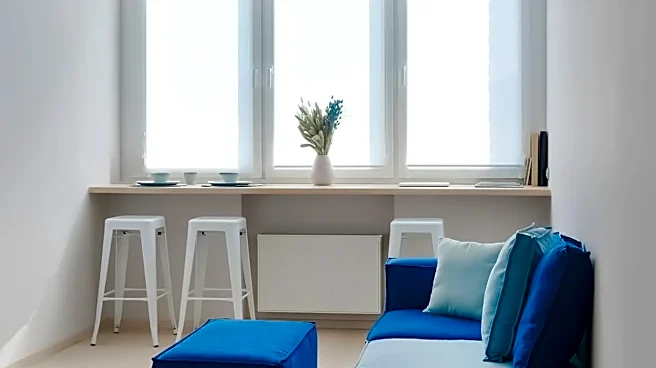
Find a Unifying Thread
The secret to making a varied collection of chairs look deliberate is to create a sense of harmony. This doesn't mean they have to be identical, but they should share at least one common element. This 'design thread' can be color, material, style, or shape. For example, you could gather chairs of different styles but all in shades of black or all made of natural wood. This single point of consistency tricks the eye into seeing a curated collection rather than a random assortment. You could also group chairs by a broad aesthetic, like mid-century modern or rustic farmhouse, ensuring they all feel like they belong to the same design 'family'. Even repeating a finish, like black metal legs or a warm walnut tone, can be enough to tie the look together.
Anchor the Ends
A simple and highly effective strategy is to create symmetry with just two chairs. By placing identical or visually similar 'head chairs' at either end of the table, you create a strong framework. These anchor chairs make the mismatched seats along the sides feel more intentional and balanced. For example, you could use two upholstered armchairs at the ends and a variety of wooden or metal side chairs in between. This method provides structure and a clear focal point, making the overall arrangement feel purposeful and composed. It’s a designer-approved trick that adds instant elegance with minimal effort.
Let Textiles Do the Heavy Lifting
Never underestimate the power of fabric to unify a space. A tablecloth or a table runner in a bold pattern or a rich, seasonal color can immediately pull your disparate elements together. The fabric acts as a consistent base layer that grounds the entire tablescape. You can take it a step further by using textiles on the chairs themselves. Draping a simple throw over the back of each chair or adding seat cushions in a matching color or pattern is an easy way to create visual harmony. This technique is especially effective because it adds color, texture, and comfort, making the entire setup feel more inviting.
Create a Strong Centerpiece
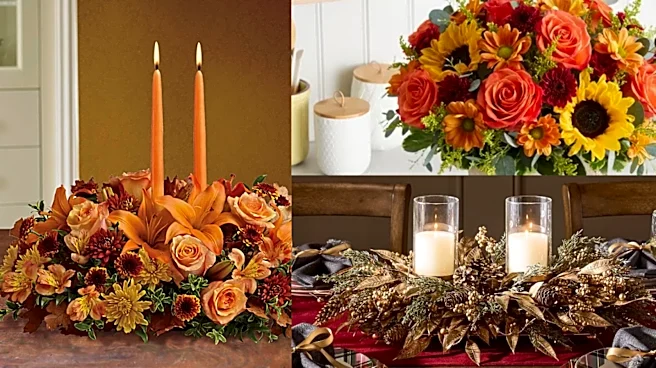
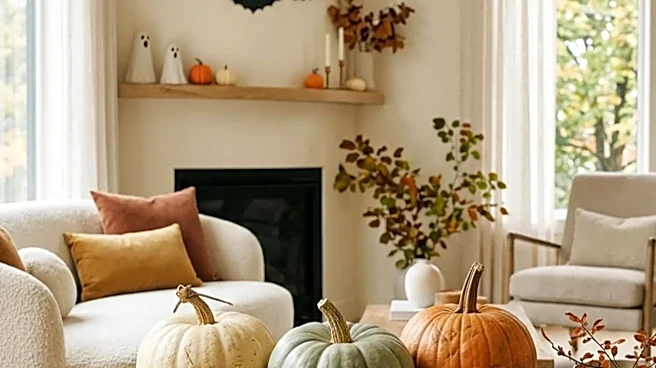
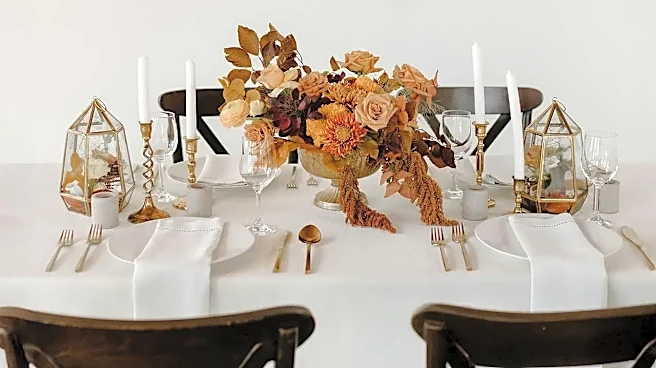
A compelling centerpiece draws the eye to the middle of the table, shifting the focus away from the individual chairs. A dramatic arrangement of fall foliage, a collection of pumpkins and gourds, or a row of candles at varying heights can serve as the table's stunning focal point. By creating a strong visual anchor, the chairs become part of the supporting cast rather than the main characters. Ensure your centerpiece is low enough for guests to see and talk over—generally under 12 inches tall is a good rule of thumb. This not only beautifies the table but also reinforces the sense of a cohesive, thoughtfully designed environment.
Balance Visual Weight and Height
Beyond style and color, pay attention to the practical details of scale and proportion. The most critical factor is seat height; a significant difference can make guests feel awkward and make the table look uneven. Aim for consistent seat heights across all chairs. Also, consider 'visual weight'. Avoid placing a series of heavy, bulky chairs on one side and delicate, spindly chairs on the other. Instead, distribute them evenly to create balance. Arranging chairs in pairs or alternating styles can help maintain a sense of rhythm and order, ensuring no single chair looks out of place.