


The Unspoken Tyranny of the Tall Centerpiece
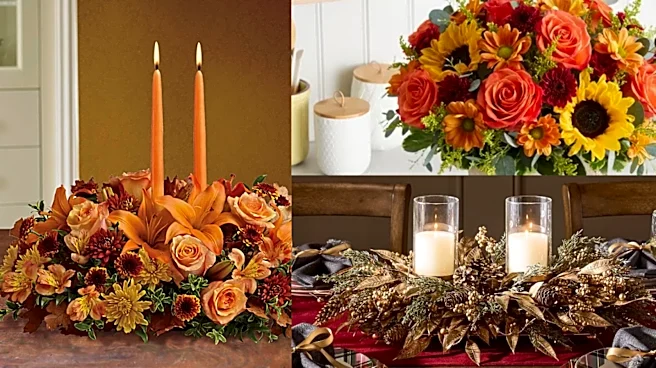
Let’s be honest. The purpose of gathering around a table is to connect with the people you love. It’s for swapping stories with a cousin you haven’t seen all year, catching up with your grandmother, and seeing the smiles on your friends' faces. But a massive, towering floral arrangement or a candelabra better suited for a palace ballroom actively works against that goal. It’s a wall. A beautiful, expensive, and thoughtfully arranged wall, but a wall nonetheless. You spend half the meal craning your neck like a periscope just to make eye contact. Jokes get lost somewhere between the eucalyptus and the oversized dahlias. Intimate conversation becomes a shouting match across a floral divide. Decor experts agree: the golden rule for a centerpiece
is to keep it under 12 inches tall. Anything higher creates a visual barrier that fundamentally breaks the social contract of a dinner party. A great tablescape should facilitate connection, not block it. Its job is to set a mood and draw people in, not force them to play peek-a-boo all night.
Alternative 1: Go Long and Low with a Garland
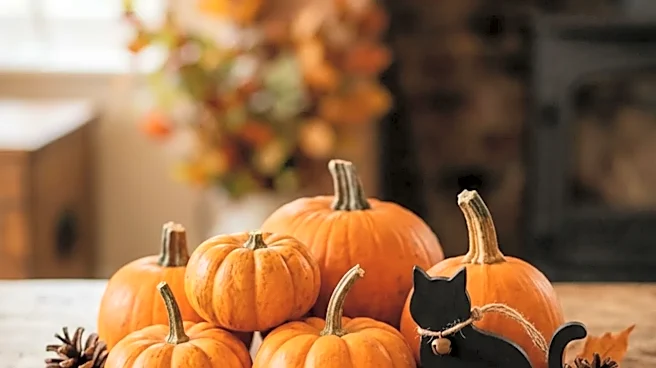
Instead of building up, stretch out. A foliage runner is one of the most elegant and practical solutions for a long rectangular table. Start with a garland of seasonal greenery like eucalyptus, magnolia leaves, or pine. It instantly adds a lush, organic feel without obstructing a single view. Weave in small, personal touches. Nestle a few mini pumpkins (cream and sage green ones often look softer than bright orange), some pinecones, or even seasonal fruits like pomegranates and pears among the leaves. The result is a tablescape that feels abundant and festive but keeps the sightlines completely open, inviting conversation to flow freely from one end of the table to the other.
Alternative 2: Create a Constellation of Candles
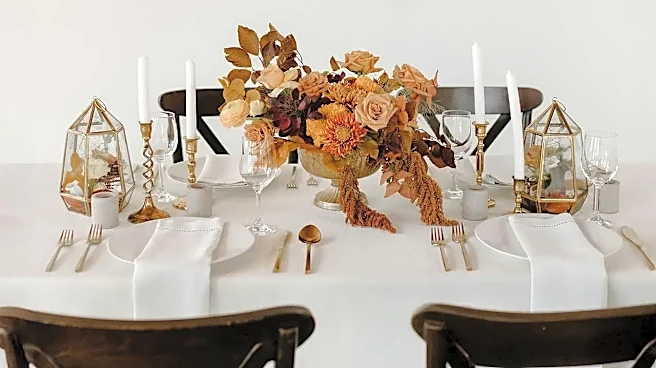
Nothing creates warmth and intimacy like candlelight. Instead of one large focal point, create a scattered collection of candles down the center of your table. Mix different types and heights—but keep them all low. A combination of votives in small glass holders, a few thicker pillar candles, and a couple of tapers in low-profile holders creates a dynamic, layered glow. The flickering light is flattering for everyone and makes the whole room feel cozier. Just be sure to use unscented candles at the dinner table, as strong fragrances can compete with the delicious aromas of the food. You can anchor the look by placing them on a simple table runner or weaving them through a very sparse garland.
Alternative 3: The 'Bud Vase' Method
If you still love the idea of fresh flowers, you don't have to give them up—just rethink the scale. The bud vase approach is a delicate and modern alternative to a single, bulky bouquet. Collect a series of small, individual vases. They don't have to match; in fact, a mix of clear or colored glass bottles can add character. Place a single stem in each one—a rust-colored chrysanthemum, a sprig of dried grass, a single rose—and scatter them down the table. This creates little moments of beauty everywhere, allowing each guest to appreciate the details up close. It feels personal and less formal, and it's an easy way to stretch a single bouquet to cover a much larger area without creating a visual wall.
Alternative 4: Build an Edible Landscape
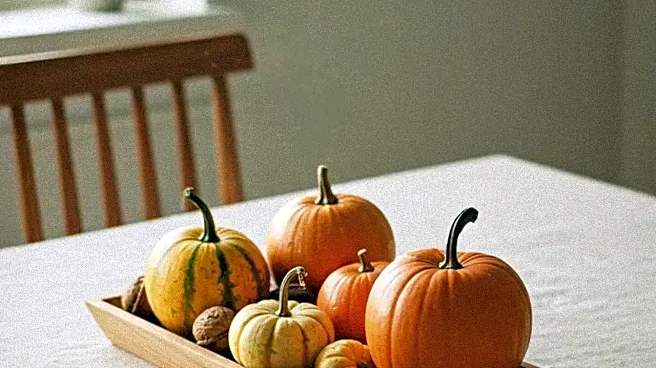
Why not make your centerpiece do double duty? An 'edible' centerpiece is both beautiful and practical. Use a low, wide bowl or a long wooden board as your base. Arrange a bounty of seasonal produce: think deep red pomegranates (one split open to show the seeds), dark grapes, pears, artichokes, nuts in their shells, and even clementines with their leaves still attached. The natural colors and textures are inherently beautiful and perfectly on-theme for a harvest feast. It feels generous and rustic, and as a bonus, guests can nibble on it as the evening wears on.