




That faded, handwritten recipe card from your grandmother isn’t just instructions for a side dish. It’s a time capsule. The Thanksgiving menu is one of the most vivid ways to trace American history, one delicious, and sometimes bizarre, dish at a time.
The Great Depression: Making Do with Mock Foods
Before we get to the famous casseroles of the mid-century, let's look at a period of forced creativity. During the Great Depression, the classic roasted turkey was a luxury many couldn't afford. Instead, ingenuity reigned. Families stretched what little they had, creating 'mock' dishes to capture the spirit of the feast. This era saw the rise of mock apple pie, cleverly made with Ritz crackers, lemon juice, and syrup to mimic the texture and tartness of apples. Hot dogs or stuffed cabbage sometimes
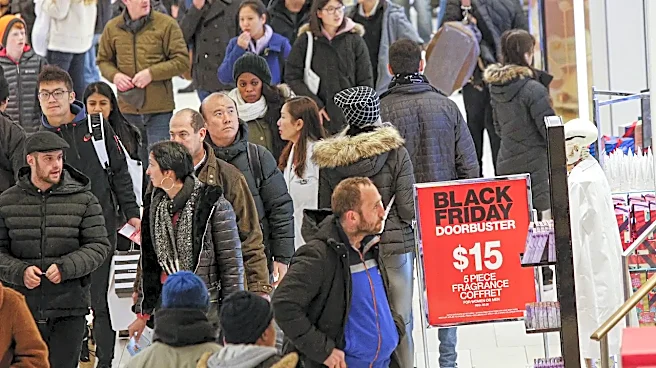
stood in for the turkey. It was a time defined by resilience, where the communal meal was more about gathering than grandeur. The economic reality even led President Franklin D. Roosevelt to move Thanksgiving a week earlier in 1939, hoping to spur retail sales by extending the Christmas shopping season—a move controversially dubbed 'Franksgiving'.
Post-War Boom: The Golden Age of Convenience
The 1950s and '60s ushered in an era of prosperity and a love affair with all things modern and convenient. This is where the Thanksgiving table got truly interesting—and a little weird. The rise of processed and canned foods transformed holiday cooking. The star of this era is undoubtedly the Green Bean Casserole, a dish invented by Campbell's in 1955 that relied on canned soup and canned fried onions. It was joined by its jiggly cousin, the Jell-O salad. Whether it was a sweet-tart Cranberry Jell-O salad or a savory one encasing vegetables and even meats, these molded creations were seen as sophisticated and modern. Sweet potato casserole, topped with a blanket of perfectly browned marshmallows, also became a non-negotiable staple, showcasing the era's love of sugary, convenient delights.
The 1970s: A Mix of Natural and Not-So-Natural
The 1970s were a culinary crossroads. On one hand, there was a growing back-to-the-land movement, inspired by figures like Julia Child, which emphasized fresh ingredients and more complex cooking techniques. On the other hand, the convenience-food craze of the '60s was still going strong. This led to a fascinatingly eclectic Thanksgiving spread. You might find a beautifully roasted turkey next to a broccoli soufflé and a cheese ball appetizer. At the same time, Jell-O salads reached their creative—and arguably questionable—peak, while fondue pots made a cheesy appearance at holiday gatherings. It was a decade of transition, where homemade cranberry sauce might share the table with a store-bought frozen dessert, reflecting a culture figuring out its relationship with food.
The 1980s & 90s: Deep-Fried and Diversified
As Americans entered the later decades of the 20th century, Thanksgiving menus began to reflect a bolder, more experimental attitude. The 1990s, in particular, saw the rise of a new, high-drama cooking method for the holiday's main event: deep-frying the turkey. Popularized by cooking shows and magazines, this technique promised an incredibly juicy bird with crispy skin, and it added an element of thrilling danger to the day's proceedings. Alongside this, potluck-style meals became more common, allowing for greater diversity on the table. Regional and ethnic dishes—from lasagna to tamales—started appearing alongside the traditional stuffing and potatoes, reflecting a growing appreciation for the country's multicultural fabric.
The Modern Table: Farm-to-Table and Foodie Culture
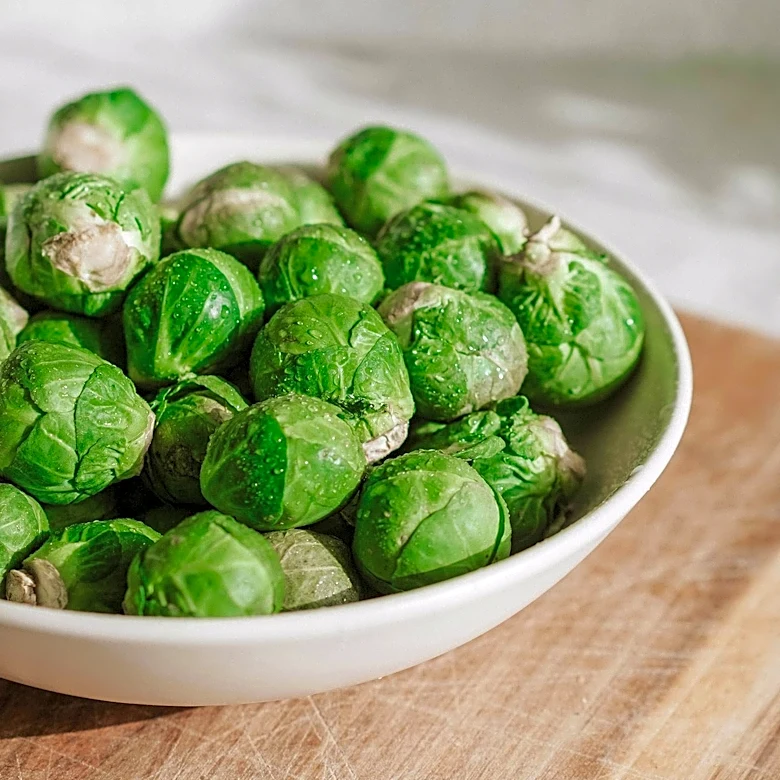
Today’s Thanksgiving table is a testament to how far we've come. The modern feast is defined by choice and awareness. The farm-to-table movement has made heirloom turkeys and locally sourced vegetables prized commodities. There’s an increased focus on dietary needs, with delicious and inventive gluten-free, vegan, and vegetarian options becoming mainstream. Instead of one-size-fits-all recipes, hosts now curate their menus with artisanal ingredients and global flavors—think curried butternut squash soup or brussels sprouts with a balsamic glaze. While we still love the classics, we're just as likely to tweak them, creating a meal that is both a nod to tradition and a reflection of our personal tastes and values. It’s a fusion of then and now, served with a side of gratitude.