





First, Do No Harm: Handling Your Cards
Before you even think about boxes, start with handling. The natural oils and dirt on your hands can stain and degrade old paper over time. The best practice, borrowed from museum archivists, is simple: handle cards as little as possible. When you do, hold them by the edges. For an extra layer of protection, especially with very old or valuable cards, consider wearing a pair of clean, white cotton gloves. This prevents the transfer of oils and ensures the handwritten messages and delicate illustrations remain as crisp as the day they were sent.
The Right Home: Individual Sleeves
Never let vintage postcards touch each other in storage. Acids can migrate from one card to another, causing discoloration and decay. The solution is to give each postcard its own individual enclosure.
Look for sleeves made from archival-safe plastics like polypropylene or polyester (often sold under the trade name Mylar). These materials are stable and won't release chemicals over time. The most important thing to avoid is PVC (polyvinyl chloride). Often found in soft, flexible photo albums, PVC contains plasticizers that can leach out, leaving a sticky film and causing permanent damage to your collection. If a plastic sleeve smells like a new shower curtain, it's likely PVC and should be avoided.
Beyond the Shoebox: Archival Boxes
A standard cardboard shoebox is one of the worst places to store paper heirlooms. Most commercial cardboard is highly acidic and contains lignin, a compound in wood pulp that breaks down over time, causing paper to become yellow and brittle. Instead, invest in boxes specifically designed for archival storage. Look for products described as 'acid-free' and 'lignin-free'. These boxes are made from stable materials and are often 'buffered' with an alkaline substance to help neutralize any acids that might be present in the storage environment or the postcards themselves. Make sure the box is a good fit; you don't want the cards to have too much room to slide around, but you also don't want to cram them in so tightly that they bend.
Location, Location, Location: Environmental Control
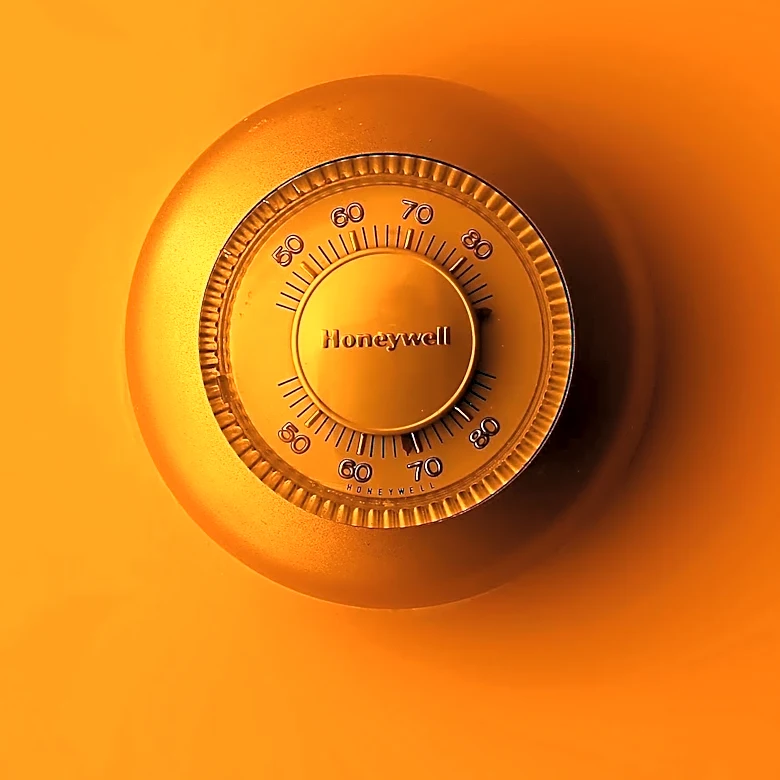
Paper's biggest enemies are light, heat, and humidity. UV light causes ink to fade and paper to discolor. High humidity encourages mold growth, while very low humidity can make paper brittle. Extreme temperature fluctuations cause the fibers in paper to expand and contract, leading to stress and damage. This means the attic and basement are terrible places for your collection. The ideal spot is in a dark, dry, and stable environment, like a closet in the main part of your home. Aim for a consistent temperature (around 60-70°F) and relative humidity (between 30-50%).
Organize for Protection and Enjoyment
Once your cards are individually sleeved and in a proper box, you can think about organization. This isn't just for finding things easily; it also adds structural support. Use acid-free, lignin-free index cards or dividers to categorize your collection by year, sender, or theme. This helps keep the cards stored upright, preventing them from slumping, which can cause bending and corner damage over time. Storing your collection this way makes it easy and safe to browse, allowing you to revisit those Thanksgiving greetings from a century ago without fear of causing wear and tear.