

The Myth: A Turkey for the Ages
The story is practically an American folk painting brought to life. In the autumn of 1621, after a brutal first year, the Pilgrims of Plymouth Colony gathered with their Wampanoag neighbors for a three-day harvest festival. In our collective imagination, the centerpiece of this meal is, without question, a large, roasted turkey. This image is reinforced in school plays, holiday advertisements, and family traditions across the country. It feels as foundational to the holiday as the Pilgrims themselves. The turkey is not just food; it’s a symbol of the 'First Thanksgiving,' representing abundance, survival, and a moment of peace between two cultures. But this powerful image is built more on centuries of tradition and assumption than on firsthand
accounts.
The Reality: What the Records Actually Say
Only two brief, firsthand accounts of the 1621 feast survive, and neither explicitly names turkey. The most detailed description comes from a letter by colonist Edward Winslow. He wrote that the governor sent four men 'on fowling,' and they returned with enough 'fowl' to supply the colony for nearly a week. The term 'fowl' could certainly include wild turkey, which fellow colonist William Bradford noted were plentiful in the region that autumn. However, it could just as easily have meant ducks, geese, or swans. Winslow’s account is very clear about another main course: the Wampanoag leader, Massasoit, and his men brought five deer to the gathering, which means venison was a guaranteed centerpiece of the feast. So, while turkey was available in the area and may have been among the birds eaten, its starring role is an assumption. The only meats explicitly recorded are 'fowl' and venison.
The Rest of the Menu: More Seafood, Less Sugar
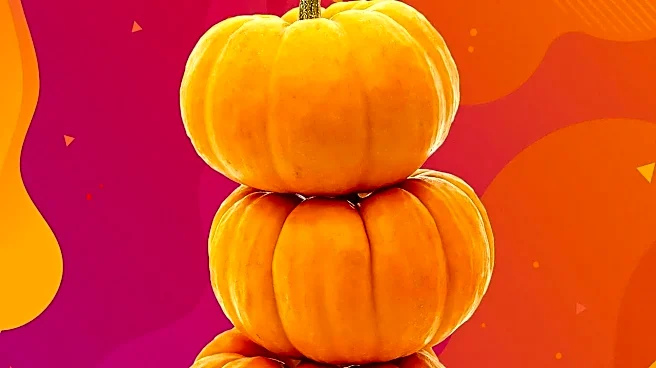
If the 1621 menu wasn't the turkey dinner we know today, what else was served? Historians, drawing on knowledge of local foodways, paint a picture rich in New England’s natural bounty. Seafood was likely a major component, including eels, mussels, clams, and possibly even lobster, all of which were abundant. The harvest itself would have provided the 'three sisters' crops taught to the Pilgrims by the Wampanoag: corn, beans, and squash. Corn would have been served not on the cob but likely ground into a meal for porridge or unleavened bread. Pumpkins and other squashes were probably roasted or stewed. What was missing is just as telling. Potatoes (both white and sweet) had not yet become staples in the English diet. And because the colony likely had little to no sugar or wheat flour, there were no pies, cakes, or the sweet cranberry sauce we know today.
How Turkey Became the Star
If turkey’s role in 1621 is uncertain, how did it become the undisputed king of Thanksgiving? The tradition took root in the 19th century, thanks to a combination of practicality and savvy promotion. Turkeys were native to North America, and one large bird could feed an entire family, making it an economical choice for a feast. The real turning point came with Sarah Josepha Hale, a prominent magazine editor who campaigned for decades to make Thanksgiving a national holiday. In her 1827 novel, 'Northwood,' she included a vivid description of a New England Thanksgiving where a roasted turkey was the glorious head of the table. Her vision of the ideal holiday meal spread widely. When President Abraham Lincoln finally declared Thanksgiving a national holiday in 1863, Hale's popular image of a turkey dinner became the de facto menu for the unifying American celebration.