





Why the Pageant Is So Problematic
The story many of us learned—of friendly Pilgrims and Native Americans sharing a peaceful harvest feast—is a gross oversimplification. This narrative centers the colonists' experience while reducing the Wampanoag people, who had lived on the land for millennia, to side characters in their own history. The typical skit perpetuates stereotypes, lumping diverse Indigenous nations into a single, inaccurate caricature. It conveniently omits the fact that European arrival brought epidemic diseases that devastated Native populations and was followed by centuries of land theft, violence, and cultural assault. For many Native Americans, Thanksgiving is not a celebration but a National Day of Mourning, a solemn commemoration of the genocide and oppression
that began with colonization. Continuing to stage a feel-good play about a brief, misrepresented moment of harmony is a disservice to our children and an insult to the people whose suffering it ignores.
Center the Wampanoag Story
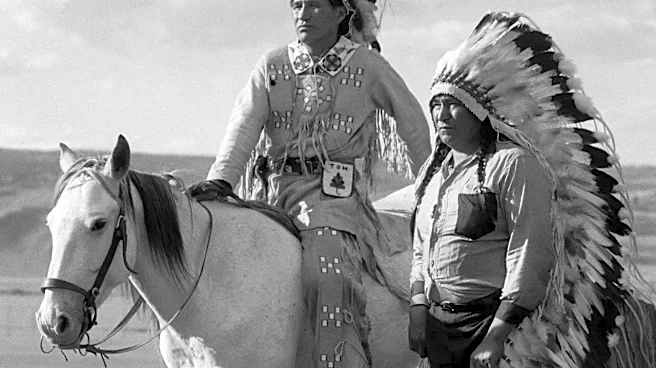
A more honest approach begins by shifting the focus. Instead of starting with the Mayflower's arrival in 1620, start with the people who were already there: the Wampanoag Nation. Teach children about their society, their spiritual beliefs, and their relationship with the land before the English arrived. Resources from organizations like the National Museum of the American Indian and the Plimoth Patuxet Museums offer lesson plans and materials that present history from a Native perspective. The goal isn't to replace one simple story with another, but to add the depth and context that has been missing. It’s crucial to explain that Native peoples are not figures from the past; the Wampanoag and hundreds of other tribal nations exist today, with vibrant, modern cultures.
Acknowledge the 'National Day of Mourning'
For older students, introduce the concept of the National Day of Mourning. This annual gathering, held in Plymouth, Massachusetts, since 1970, was started by Wampanoag leader Frank 'Wamsutta' James. He was invited to speak at a state dinner celebrating the 350th anniversary of the Pilgrim landing but was disinvited after officials read his speech, which spoke of the painful truth of colonization. He gave the speech anyway on Cole's Hill, overlooking Plymouth Rock, establishing a powerful counter-narrative. Discussing this event helps students understand that history is a matter of perspective and that the same event can be a cause for celebration for one group and a source of deep pain for another. It moves the conversation from a simple myth to a complex, ongoing discussion about justice and memory.
Focus on Universal Themes
If historical deep dives feel too heavy for very young children, you can sidestep the 'First Thanksgiving' myth entirely. Focus instead on the universal, and culturally inclusive, themes that the holiday has come to represent: gratitude, family, and harvest. The Wampanoag and other Indigenous cultures have always held ceremonies of thanks for the harvest. You can honor this spirit without attaching it to a single, flawed historical event. Encourage kids to make crafts that celebrate the autumn harvest—leaves, pumpkins, and corn—rather than inaccurate costumes. Read books about gratitude or stories by Native authors that celebrate their culture without being tied to the Thanksgiving holiday. This approach allows children to participate in the spirit of the season without absorbing harmful historical myths.
Explore the Land You Live On
Make the history personal by exploring the Indigenous history of your own town or city. Resources like the Native Land Digital map can show you which tribal nations originally inhabited the area where you now live. This is a powerful way to make children understand that Native history is not a faraway story from 17th-century Massachusetts; it's American history, and it's right under their feet. Research the local tribes, support Native artists and businesses in your region, and teach children that the story of America didn't begin when ships arrived from Europe. It's a lesson in respect and awareness that extends far beyond a single Thursday in November.