







1. Are we talking about the same dollar?
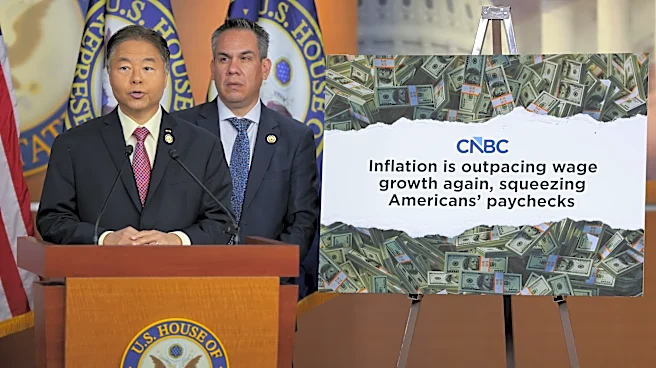
The most obvious but often overlooked factor is inflation. A dollar in 1975 simply had far more purchasing power than a dollar today. According to the U.S. Bureau of Labor Statistics' own data, what cost $20 back then would require over $110 today to have the same buying power. So, when someone shares a grocery receipt from 1980 showing a turkey for $15, they're talking about money that was worth significantly more. Comparing nominal prices across decades without adjusting for inflation is like comparing distances without agreeing whether to use miles or kilometers. It’s an interesting number, but it doesn't tell you much about affordability. The real question isn't just about the price tag, but what a person had to earn per hour to afford that item,
then versus now.
2. Is it the same bird?
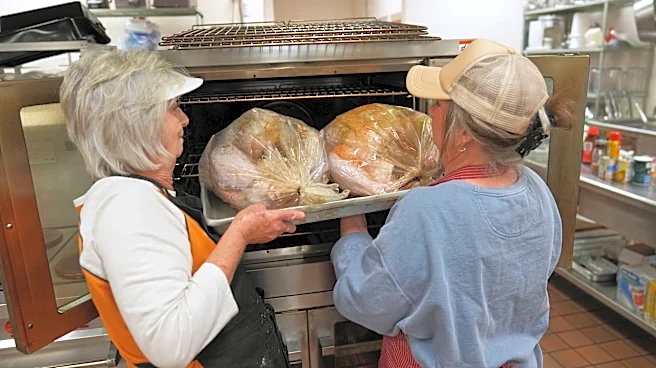
The turkey is the centerpiece of the meal, but the turkey of today is not the same as the turkey of yesterday. In the mid-20th century, the standard was a basic, frozen bird. Today, the options are endless: fresh, free-range, organic, heritage breed, pre-brined, or even a fully-cooked one from a specialty store. Each of these carries a different price point. The American Farm Bureau Federation, which has been tracking the cost of a 'classic' Thanksgiving dinner for decades, bases its survey on a standard frozen turkey to maintain consistency. But many modern shoppers are opting for premium birds, which naturally drives up their personal costs. Comparing the price of a high-end organic turkey today with a mass-produced frozen one from 1970 is not a valid comparison.
3. Who is doing the labor?
A significant portion of modern food costs comes from convenience. When you buy a pre-made pumpkin pie, you aren't just paying for the ingredients; you're paying for the labor of the people who mixed the dough, prepared the filling, and baked it. The same goes for pre-cut butternut squash, jarred gravy, and canned cranberry sauce. A 'from scratch' Thanksgiving in 1965 meant buying flour, sugar, butter, and pumpkins. Today's 'from scratch' might involve a store-bought crust and canned pumpkin filling. This shift outsources kitchen labor to factories and grocery stores, and that labor is reflected in the price. A fair comparison of costs would require comparing a 100% from-scratch meal then to a 100% from-scratch meal now, a much more involved calculation.
4. Is the product quantity and quality the same?
Welcome to the world of 'shrinkflation' and 'skimpflation'. Shrinkflation is when the package size gets smaller but the price stays the same—think a bag of potato chips with more air or a slightly smaller can of green beans. Skimpflation is when the quality of the ingredients is lowered to save costs, which can affect taste and nutritional value. When looking at old prices, it’s crucial to ask if you're truly comparing the same amount and quality of product. That 16-ounce can of pumpkin puree from 1990 may now be a 15-ounce can. The 'buttery' crackers might now use less real butter and more oil substitutes. These subtle downgrades are a form of price increase that won't show up in a simple sticker price comparison.
5. What does an 'average' meal even include?
Finally, the definition of a 'standard' Thanksgiving meal has evolved. The classic meal tracked by the Farm Bureau includes turkey, stuffing, sweet potatoes, rolls with butter, peas, cranberries, a veggie tray, pumpkin pie with whipped cream, coffee, and milk. But is that what your table looks like? Today's feasts often include more side dishes, catering to a wider range of tastes and dietary needs. You might find macaroni and cheese, brussels sprouts with bacon, multiple desserts, and special appetizers on a modern menu. Furthermore, dietary restrictions add costs—gluten-free rolls or dairy-free desserts are almost always more expensive than their conventional counterparts. A larger, more complex, and more customized meal will naturally cost more than the simpler, more uniform meal of generations past.