



National Museum of the American Indian
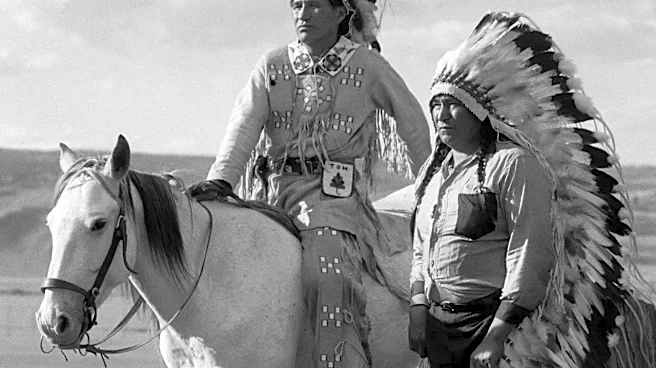
The Smithsonian's National Museum of the American Indian (NMAI) offers a vital corrective to the traditional Thanksgiving narrative. Their online resources, part of the Native Knowledge 360° initiative, re-center the story on the Wampanoag and other Indigenous peoples. Instead of a single holiday, you'll learn about a way of life that includes daily and seasonal rituals of giving thanks. The materials provide crucial context about the 1621 harvest feast from a Native perspective, exploring the history before and after that moment. It's an essential first stop for deconstructing common myths and hearing directly from the descendants of the people who were there.
Plimoth Patuxet Museums
This living history museum is dedicated to telling the history of the Wampanoag people
and the English colonists. Their website features a wealth of free resources, including virtual tours, articles, and educational materials that present a more nuanced view of the 17th century. Online exhibits explore the complex relationship between the two groups and detail the Wampanoag experience, which is often left out of the story. You can find information that dismantles myths and provides a historically grounded look at what life was really like for both the English settlers and the Indigenous people on whose land they arrived.
The Library of Congress
For those who want to see the documents that shaped the holiday, the Library of Congress has a comprehensive primary source set on Thanksgiving. This free digital collection includes everything from early colonial proclamations to the 1863 letter from magazine editor Sarah Josepha Hale, who successfully lobbied President Abraham Lincoln to make Thanksgiving a national holiday. You can also view presidential proclamations from George Washington to the present, tracing how the holiday's official meaning and observation have evolved over more than two centuries of American history.
The National Archives
The National Archives holds the official records of the U.S. government, and its online Thanksgiving collection is a treasure trove of historical documents. You can read President Lincoln's 1863 proclamation that established the annual holiday, a move intended to help unite a nation torn apart by the Civil War. The collection also details the strange episode in 1939 when President Franklin D. Roosevelt moved the holiday to an earlier date to extend the Christmas shopping season, causing a national controversy. These records show how Thanksgiving has been shaped by political and economic forces over the years.
DocsTeach
A project of the National Archives, DocsTeach is an online tool for teaching with primary documents, making it perfect for parents and educators. The platform features specific learning activities related to Thanksgiving that use historical records to challenge students to think critically about the holiday. You can explore documents and images related to the Wampanoag, the Pilgrims, and the creation of the national holiday by Lincoln. It's an interactive way to move past the myths and engage directly with the historical evidence that tells a more complex story.
Digital Public Library of America
The Digital Public Library of America (DPLA) brings together collections from thousands of libraries, archives, and museums across the country into a single, searchable portal. A search for 'Thanksgiving' surfaces a diverse array of materials, from historical photographs and newspaper articles to community cookbooks and personal letters. This allows you to explore not just the 'first' Thanksgiving, but the many ways Americans have celebrated—or protested—the holiday throughout history. It’s an excellent tool for discovering regional traditions and a wide spectrum of perspectives.
Wampanoag-Led Resources
To truly understand the history, it's crucial to hear from the Wampanoag people themselves. The websites of the Mashpee Wampanoag Tribe and the Aquinnah Wampanoag Tribe offer modern perspectives and historical resources. Many Wampanoag do not celebrate Thanksgiving as a joyful holiday but observe it as a National Day of Mourning, a solemn remembrance of the devastating impact of colonization on Indigenous people. Exploring these sites, as well as books like 'Keepunumuk: Weeâchumun's Thanksgiving Story', provides a necessary and powerful counter-narrative to the textbook version of events.