




The Allure of the Founding Myth
Nations, much like people, need a story of where they came from. National holidays often serve as annual reminders of these foundational narratives, connecting citizens to pivotal moments that define a country’s identity. Whether it’s Independence Day celebrating a declaration of freedom or holidays honoring military victories, these occasions are tools for building shared traditions and national unity. Thanksgiving is no different. At its heart is the story of the 1621 harvest feast, an event that has been polished over centuries into a simple, powerful narrative: desperate English settlers, saved by the generosity of their Native American neighbors, coming together in harmony. This version of events, taught in schools and depicted in countless
pageants, offers a comforting starting point for a complex nation—a story of cooperation and gratitude at the dawn of a new society.
The Reality of 1621
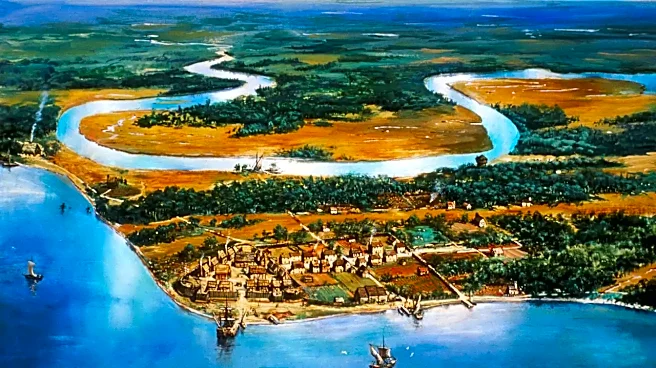
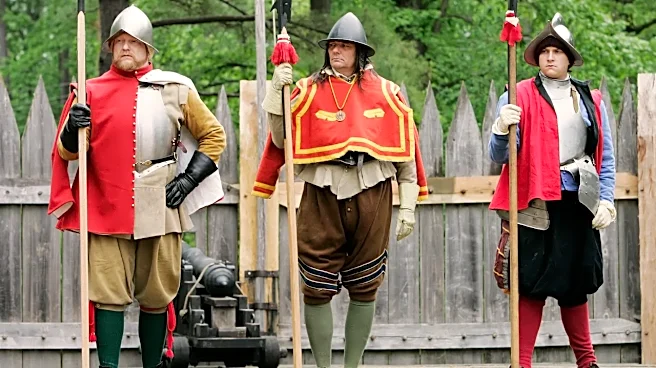
The historical record of what is now called the 'First Thanksgiving' is far more complicated than the myth. The event itself was a three-day harvest festival in the autumn of 1621. The primary account comes from a letter by Pilgrim Edward Winslow, who mentions a successful harvest, a celebratory firing of guns, and the arrival of about 90 men from the Wampanoag Nation led by their chief, Ousamequin (also known as Massasoit). Some historians suggest the Wampanoag showed up not because they were invited, but to investigate the sound of gunfire, fearing the small English colony was under attack. The alliance itself was strategic; the Wampanoag, whose population had been devastated by diseases brought by earlier European traders, saw a potential ally in the English against rival tribes. The peace it represented was tragically brief. Within a generation, relations soured, leading to conflict and the eventual loss of Wampanoag land and political independence. For this reason, many Native Americans today observe Thanksgiving as a National Day of Mourning, a solemn reminder of colonization's devastating impact.
Crafting a Holiday for a Broken Nation
If the 1621 event wasn't the origin of the holiday, then what was? For nearly two centuries, days of 'thanksgiving' were sporadically declared by colonial and state governments for various reasons, from military victories to good harvests. The push to create a permanent, national Thanksgiving holiday was spearheaded by Sarah Josepha Hale, the influential editor of a 19th-century women's magazine. For 36 years, she wrote editorials and letters, arguing that a unified, annual holiday would help bind a fractured nation together. She found a receptive ear in President Abraham Lincoln. In October 1863, in the midst of the Civil War, Lincoln issued a proclamation establishing the last Thursday in November as a national day of Thanksgiving. His goal was not to commemorate 1621, but to foster a sense of unity and gratitude during a period of immense suffering and division, calling on Americans to 'heal the wounds of the nation'. The Pilgrim story was later attached to the holiday, providing a convenient and peaceful founding narrative for a country desperate for one.
Why the Story Still Matters
The enduring pull of the 1621 story highlights our deep-seated need for holidays to have a clear and compelling origin. A story of unity, however simplified, is more emotionally resonant than a story about a presidential proclamation. It provides a script for the values a nation wants to project: gratitude, community, and resilience. But origin stories are not static. The ongoing re-examination of the Thanksgiving myth is not about 'canceling' a holiday; it's about acknowledging a fuller, more truthful history. It recognizes that the narrative has long excluded the perspective of the Wampanoag people and the painful history that followed the 17th-century encounter. Understanding the layers of the Thanksgiving story—the historical event, the political creation of the holiday, and the cultural myth-making—doesn't diminish its importance. Instead, it makes it a more honest reflection of the American experience, one that contains both moments of cooperation and conflict, celebration and sorrow.