




1. It Names and Centers the Wampanoag People
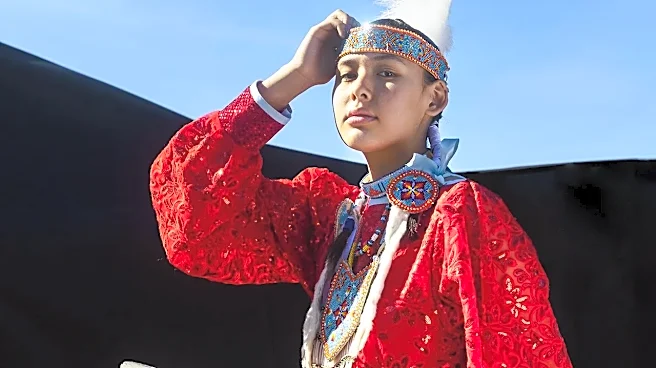
The sanitized Thanksgiving myth often refers to generic, friendly 'Indians' who help the Pilgrims and then vanish from the story. A responsible history book will identify the Indigenous people central to the story by their proper name: the Wampanoag Nation. It should portray them as a complex society with their own political structure, culture, and history that existed long before the Mayflower arrived. Look for books that treat the Wampanoag not as sidekicks, but as primary actors in the events of 1621 and beyond. Books written by Wampanoag authors or in consultation with the tribe offer invaluable perspectives.
2. It Acknowledges the Pre-Existing Conflict and Disease
The arrival of the Mayflower was not a 'first contact' event. Europeans had been in the region for a century, often engaging in violent
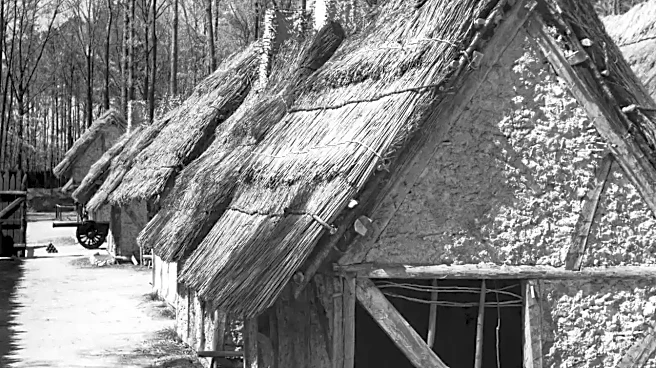
encounters and slave raids with Native populations. Furthermore, diseases brought by Europeans had already devastated the Wampanoag and other coastal tribes, killing up to 90% of the population in some areas. This context is crucial; the Pilgrims settled in a village, Patuxet, that was empty precisely because of this plague. An accurate book won't shy away from this grim reality, as it directly shaped the interactions and the temporary alliance that followed.
3. It Presents the 'Feast' as a Tense Diplomatic Event
The traditional image of a pre-planned, harmonious dinner party is largely a myth. Most historians believe the Wampanoag, led by their sachem (chief) Ousamequin, showed up after hearing celebratory gunfire from the Pilgrim settlement, fearing an attack was underway. Numbering around 90 warriors, they vastly outnumbered the roughly 50 colonists. The subsequent three-day gathering was less a friendly meal and more a tense, politically motivated meeting between two wary groups. Ousamequin's alliance with the English was a strategic move to gain an advantage against his tribal rivals, the Narragansett.
4. It Corrects the Menu
Turkey, pumpkin pie, cranberry sauce, and potatoes are staples of the modern holiday, but they were likely not on the table in 1621. Historical accounts mention 'fowl' (more likely goose or duck) and five deer brought by the Wampanoag. Other potential foods included seafood like lobster and clams, as well as pumpkins and other squashes, but not in pie form, as the settlers lacked butter, wheat flour, and sugar. A book that clings to the turkey-and-pie narrative is prioritizing myth over historical evidence.
5. It Tells the Full, Complicated Story of Tisquantum (Squanto)
Tisquantum, often known as Squanto, is a key figure, but his backstory is frequently whitewashed. He was able to communicate with the Pilgrims because he had been kidnapped by an English captain years earlier and sold into slavery in Spain. He eventually made his way back to his homeland only to find his entire village had been wiped out by disease. His role as an interpreter and guide was born from immense personal tragedy and a complex, precarious position between the English and the Wampanoag. Good books present him as a complex individual, not a simple, smiling helper.
6. It Explains the Aftermath
The peaceful moment of 1621, however fraught, did not last. A thoughtful history book should explain that the relationship between the colonists and the Wampanoag deteriorated within a generation. This culminated in the devastating conflict known as King Philip's War (1675-1676), which shattered the alliance and led to immense loss of life and the enslavement of many Native people. Ignoring this tragic aftermath perpetuates the 'happily ever after' myth and erases the true consequences of colonization.
7. It Distinguishes the 1621 Event from the Modern Holiday
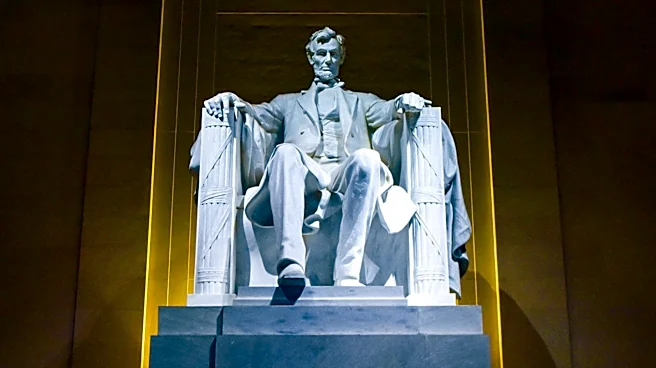
The harvest gathering of 1621 was not called 'Thanksgiving' and was not the origin of our annual holiday. The modern Thanksgiving holiday was proclaimed by Abraham Lincoln in 1863 during the Civil War, partly as an effort to promote national unity. The story linking it back to the Pilgrims didn't become popular until the late 19th century. Check if a book clarifies this distinction, explaining that while giving thanks for a harvest is an ancient tradition across many cultures, the American national holiday has its own, much later, political origins.