

Meet the Thanksgiving 'Ragamuffins'
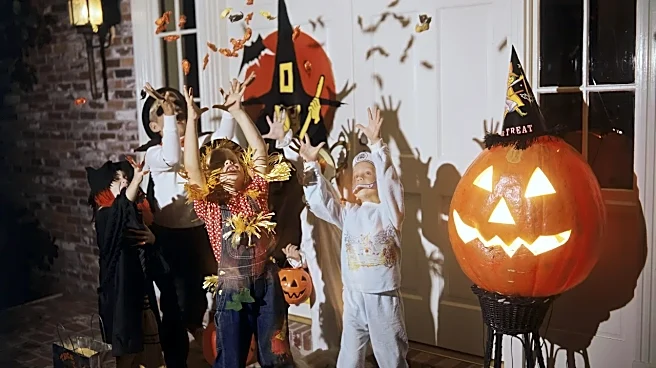
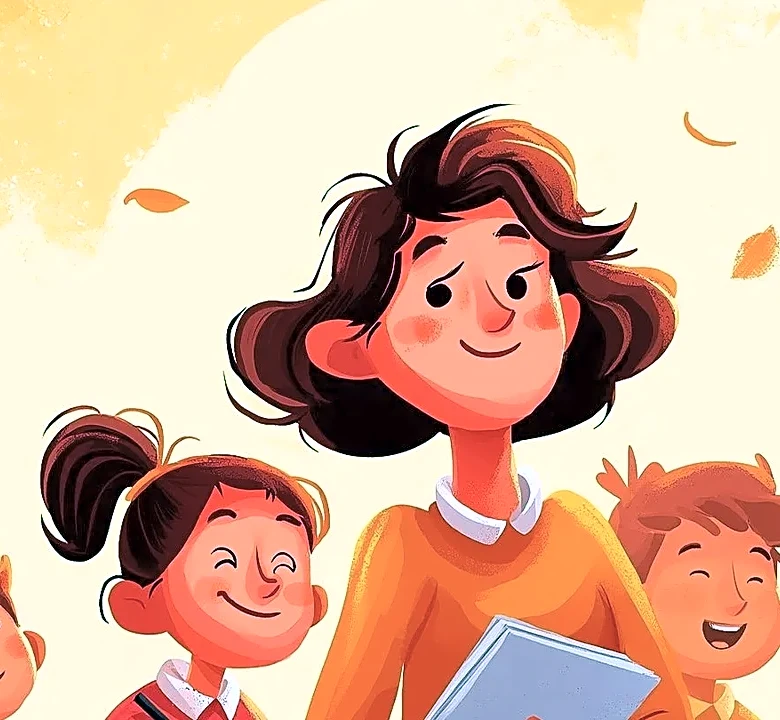
For decades, from the late 19th century through the early 20th, Thanksgiving in American cities looked a lot more like Halloween. Instead of gathering indoors, scores of children would take to the streets in costume. This wasn't a formal parade, but a chaotic, grassroots tradition known as 'Thanksgiving masking' or, more commonly, 'Ragamuffin Day.' Children, mostly boys, would dress in shabby, oversized clothes, often raiding their parents' wardrobes to create a 'ragamuffin' look that parodied beggars. They'd don grotesque masks made of papier-mâché or simply paint their faces, then go door-to-door, asking neighbors for pennies, apples, or candy. It was a day of festive mischief, a recognized opportunity for kids to take over the streets and engage
in a playful form of begging that was a far cry from the solemn family holiday we know today.
From 'Fantasticals' to Street Begging
The tradition's origins are tangled, but it appears to have grown from a mix of older European 'mumming' customs and uniquely American circumstances. After President Lincoln nationalized the holiday in 1863, communities began to celebrate in various ways. In cities like New York, working-class men formed groups called 'Fantasticals' who would parade in garish costumes, spoofing the more formal military processions. Kids, in turn, began to imitate the adults. The practice of asking for treats likely began as a mockery of the actual poor who would beg for help on the holiday, with children from more well-off families dressing down in rags as a joke. By the early 1900s, it was an entrenched urban phenomenon, especially on the East Coast. Mask and candy manufacturers considered Thanksgiving their busiest season, and newspapers reported on the variety of costumes, from standard ragamuffins to Uncle Sam, sailors, and clowns.
The End of a Rowdy Era
So what happened to Ragamuffin Day? Its decline was caused by a cocktail of social change and official disapproval. By the 1930s, many adults and civic leaders had grown weary of the 'annoyance.' The New York Times complained about the practice, and school superintendents declared it incompatible with 'modernity.' The act of children dressing as beggars and asking for money struck a nerve during the Great Depression, when real poverty was widespread and not a subject for playful imitation. Civic groups began organizing alternative events, such as official parades and costume contests, under slogans like 'American boys do not beg.' The final blow, however, was the steady rise of Halloween as the official, designated holiday for costumes and trick-or-treating. Halloween provided a more acceptable, child-focused outlet for these activities, leaving Thanksgiving to be redefined.
The Holiday We Know Today
By the 1950s, Thanksgiving masking had all but vanished, surviving only in a few neighborhood 'Ragamuffin parades' that were eventually absorbed into Halloween festivities. The rowdy, street-level chaos was replaced by the highly organized, televised spectacle of the Macy's Thanksgiving Day Parade, which itself began in 1924 and helped cement a new, more commercial and family-centric vision for the holiday. The ghost of Ragamuffin Day serves as a fascinating reminder that our most cherished traditions are not set in stone. They evolve, merge, and sometimes disappear entirely, their forgotten elements often hiding in plain sight within the holidays that replaced them. The costumed, candy-seeking spirit of Thanksgiving masking didn't die; it just moved to October 31st.