






More Than a Myth
For generations, the story of the 'First Thanksgiving' has been simplified. Plimoth Patuxet Museums, a Smithsonian-affiliated living history museum in Plymouth, Massachusetts, is dedicated to telling a more complete and nuanced story. This isn't just about a single harvest meal; it’s about the collision and cooperation of two vastly different cultures: the English colonists who arrived on the Mayflower and the Indigenous Wampanoag people who had called the land Patuxet for millennia. The museum moves beyond the myth to explore the diplomacy, struggles, and daily lives that led to the famous three-day feast, providing a richer context for a holiday that is central to the American identity.
Step Into the 17th-Century English Village
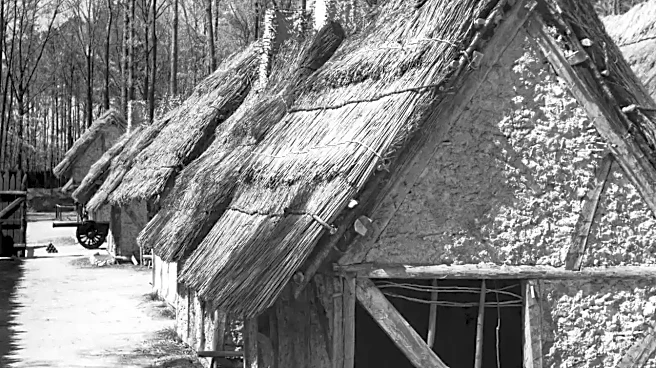
One of the museum's main attractions is the re-creation
of the Plymouth colony as it stood in 1627. This is no static exhibit. Timber-framed houses with thatched roofs line the dirt pathways, kitchen gardens grow period-accurate herbs, and heritage-breed livestock roam in pens. The village is brought to life by costumed role-players who portray actual residents of the original colony. They speak in regional English dialects of the time and discuss their hopes, fears, and daily chores as if it were 400 years ago. Visitors are encouraged to interact, ask questions about their faith, their difficult journey, or simply what's cooking over the fire. It’s an immersive experience designed to make history tangible.
The Essential Wampanoag Perspective
Just as critical to the story is the Historic Patuxet Homesite, situated on the banks of the Eel River. Here, you'll find a re-creation of a 17th-century Wampanoag settlement. Unlike the costumed actors in the English village, the staff at the homesite are members of the Wampanoag Nation or other Indigenous communities. They speak from a modern perspective, sharing the history and ongoing traditions of their people. Visitors can step inside a 'wetu', a traditional dome-shaped house, see how a 'mishoon' (dug-out canoe) is crafted using fire and shells, and learn about the Wampanoag diet and relationship with the land. This part of the museum ensures the story of Thanksgiving isn't one-sided, honoring the people who were here long before the Mayflower arrived.
Don't Miss the Mayflower II
Rounding out the experience is the Mayflower II, a full-scale reproduction of the ship that carried the colonists across the Atlantic in 1620. Docked in Plymouth Harbor, a short distance from the main museum campus, this majestic vessel offers a visceral understanding of the arduous two-month journey. Onboard, you can explore the cramped quarters and imagine the uncertainty faced by the 102 passengers. Guides on the ship are modern museum staff who can answer questions about the historic voyage and the ship's construction and recent preservation work. Admission to the Mayflower II is often included in a combination ticket with the other sites.
Plan Your Visit: Time Is Running Out
Plimoth Patuxet is a seasonal museum. For 2026, the entire complex—including the 17th-Century English Village, Historic Patuxet Homesite, and the Mayflower II—will close for the winter on the Sunday after Thanksgiving. With Thanksgiving falling on Thursday, November 26, 2026, the last day to visit will be Sunday, November 29, 2026. The museum is open seven days a week from 9 a.m. to 5 p.m. Given the popularity of the site, especially around the Thanksgiving holiday, booking tickets online in advance is highly recommended. The museum offers special Thanksgiving dining experiences, but these often sell out months ahead of time. A visit provides a powerful, thought-provoking way to connect with American history before the site goes quiet for the season.