


1. Teach the Materials as Artifacts
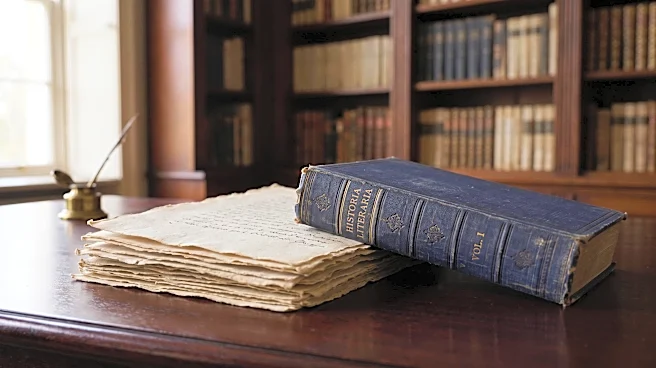
Instead of teaching the content in the materials as fact, teach about the materials themselves. Turn students into junior historians by asking critical questions. When was this book published or this worksheet created? What words and images does it use? A 1980s coloring page showing generic 'Pilgrims' and 'Indians' in feathered headdresses wasn't just a simple mistake; it reflects a specific, outdated understanding of history. This approach shifts the lesson from passively absorbing a flawed narrative to actively analyzing a historical artifact. It helps students understand that our telling of history changes over time and that sources must always be examined with a critical eye. The goal becomes identifying the perspective and biases of the material itself.
2. Use Them for Compare-and-Contrast Lessons
Place outdated materials directly alongside more accurate sources. For example, put a simplistic textbook paragraph next to a primary source account or a video from the Wampanoag Nation, the tribe that interacted with the English colonists in 1621. The National Museum of the American Indian provides extensive resources, including perspectives from contemporary Wampanoag people, that can serve as a powerful counterpoint. Ask students to spot the differences. What details are missing from the old version? Whose point of view is centered? This exercise doesn't just correct misinformation; it teaches students that history is a complex story with multiple, often conflicting, perspectives. The simplified myth of a happy, shared meal falls apart when students see the much more complex reality of diplomacy, disease, and cultural encounter described by the Wampanoag people themselves.
3. Create a 'Myth vs. Reality' Activity
Use the errors in your existing materials as the foundation for a myth-busting lesson. Create a chart with two columns: 'Common Myth' and 'Historical Reality.' Pull myths directly from the old worksheets or books, such as 'The Pilgrims invited the Wampanoag to the feast' or 'They all became great friends.' Then, provide students with accurate information to fill in the reality column. For instance, many historians believe the Wampanoag showed up after hearing celebratory gunfire, and the meeting was more about a tense diplomatic alliance than simple friendship. This turns a flawed resource into an engaging tool for active learning and critical thinking. It directly addresses and dismantles the popular, romanticized version of the story that students often see in media.
4. Deconstruct Stereotypical Imagery
Many older Thanksgiving materials rely on harmful, pan-Indian stereotypes, like showing Wampanoag people living in tipis or wearing large feathered war bonnets, neither of which were part of their culture. Use these images as a springboard for a lesson on visual literacy and stereotypes. Ask students: Who are the people in this picture? What are they wearing? How are they acting? Explain that portraying all Native peoples as a single, homogenous group erases the immense diversity of hundreds of distinct tribal nations. This is also an opportunity to discuss why using sacred items like feathers as a generic craft material is inappropriate. The lesson moves beyond the Thanksgiving story to a broader, more important conversation about respectful representation.
5. Supplement with Contemporary Native Voices
The most significant flaw in many old materials is that they freeze Native peoples in the past. Use your materials as a reason to explore the reality of Native American life today. After analyzing the historical inaccuracies, shift the focus to the present. Introduce students to the websites of the Mashpee Wampanoag Tribe or the Wampanoag Tribe of Gay Head (Aquinnah). Show them videos of Wampanoag people talking about their language reclamation project, their traditions like Cranberry Day, or their perspective on Thanksgiving as a Day of Mourning. This vital step ensures students understand that the Wampanoag people are not just historical figures; they are a vibrant, contemporary community whose culture and sovereignty continue today.