


We picture Thanksgiving as a timeless American scene: a Norman Rockwell painting of family, gratitude, and a golden-brown turkey. But many of the traditions we hold dear weren't born in Plymouth, but in the boardrooms of savvy retailers.
A Holiday in Search of Itself
The holiday’s official origin story is a blend of history and myth. While colonists and Wampanoag people shared a harvest feast in 1621, Thanksgiving didn't become a fixed national holiday until 1863. In the midst of the Civil War, President Abraham Lincoln, urged on by magazine editor Sarah Josepha Hale, proclaimed the last Thursday in November a day of national thanksgiving, hoping to help heal a fractured nation. For decades, however, the celebration was a quiet affair. Families gathered for a meal, but the specific
rituals were undefined. This lack of standardized tradition created a perfect opening for another American institution to step in and help write the script: the department store.
The Parade That Kicked Off Christmas
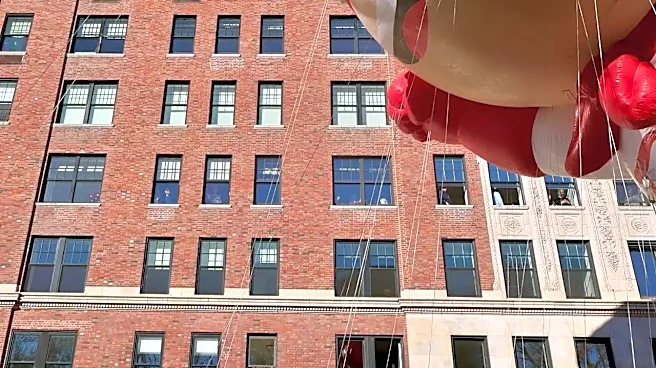
The most visible link between Thanksgiving and commerce began not with a sale, but with a parade. In 1924, New York City's Macy's department store launched what it originally called its 'Christmas Parade'. Organized by employees, many of whom were European immigrants familiar with public festivals, the parade was designed as a grand spectacle to herald the official start of the Christmas shopping season. The finale featured Santa Claus himself, crowned 'King of the Kiddies' on the store's marquee. The event was an immediate sensation, drawing massive crowds and overshadowing its department store rival, Gimbel's, which had started a similar parade in Philadelphia four years earlier. Soon, the Macy's parade became an inextricable part of Thanksgiving Day, forever linking the holiday of gratitude with the impending frenzy of gift-buying. It was televised nationally for the first time in the late 1940s, cementing its place in the American consciousness.
Marketing the 'Perfect' Thanksgiving Meal
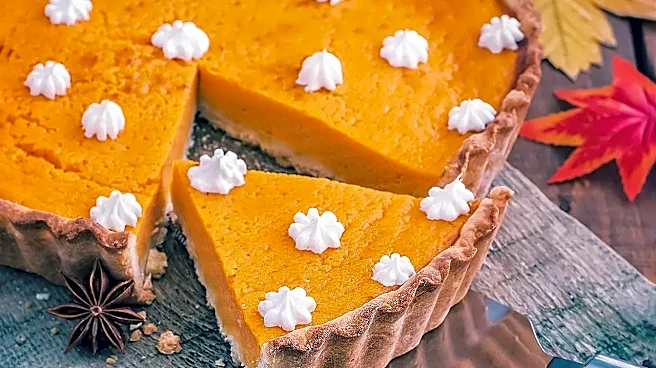
Beyond the pageantry, retailers and food companies played an even more fundamental role in shaping the holiday: they designed the menu. In the early 20th century, turkey competed with other fowl like goose and duck. But aggressive marketing campaigns from the turkey industry and promotions for appliances like roasting pans helped cement the bird as the holiday’s official main course. Other staples have similar commercial origins. Ocean Spray successfully positioned cranberry sauce as the turkey's essential companion. Libby's has printed a pumpkin pie recipe on its canned pumpkin labels since 1929. Even side dishes like green bean casserole (invented in a Campbell's Soup test kitchen in 1955) and sweet potatoes topped with marshmallows (popularized by a marshmallow manufacturer in 1917) were born from corporate marketing efforts. These campaigns were so effective that the recipes became cherished family traditions, their commercial origins long forgotten.
From Santa's Arrival to Doorbuster Deals
The subtle influence of the early 20th century has evolved into the overt commercialism of today. The day after Thanksgiving, once just a busy shopping day, was dubbed 'Black Friday' by Philadelphia police in the 1960s to describe the chaotic traffic. Retailers, initially wary of the negative-sounding name, eventually embraced it, spinning the 'black' to mean the day they moved into profitability for the year. By the 1980s, the parade itself had become a landscape of corporate sponsors, with brands like McDonald's and Coca-Cola debuting giant balloons. In recent decades, the shopping creep has become a full-blown invasion, with sales starting on Thanksgiving Day itself or even earlier, blurring the line between a day of thanks and a day of transactions.