

Myth 1: The Pilgrims wore black and buckles.
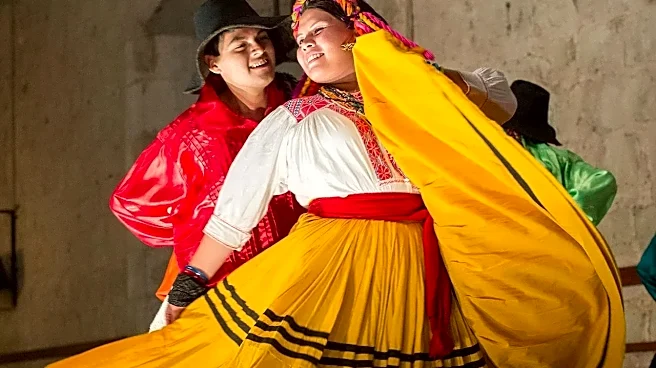
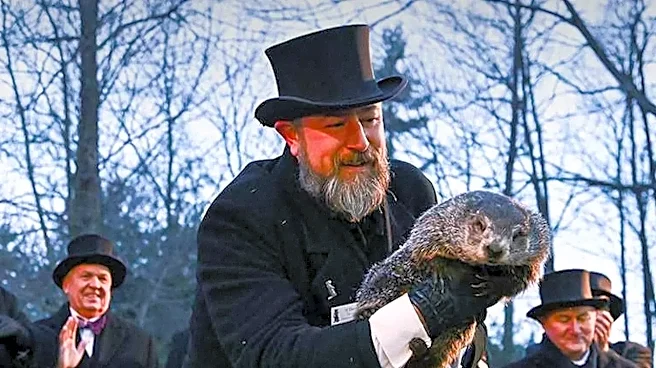
The image of the Pilgrim in a tall black hat with a silver buckle is an invention of 19th-century artists. In reality, the English colonists wore colorful clothing, often dyed in shades of red, green, blue, and violet. Estate records from the time list items like 'a red petticoat' and 'a violet cloak'. Black was an expensive dye and typically reserved for formal Sunday occasions. Those iconic buckles on their hats and shoes were also not in fashion at the time; the colonists would have used simple leather laces. The somber, monochrome uniform we associate with them is a much later stereotype.
Myth 2: Turkey was the star of the show.
While wildfowl was on the menu, there's no evidence that turkey was the main event. Governor William Bradford noted a 'great store of wild turkeys,' but
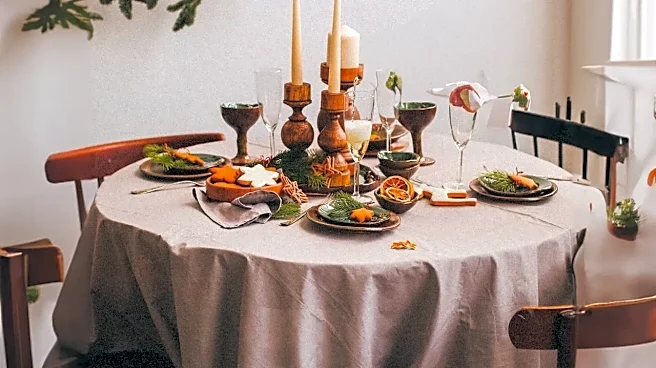
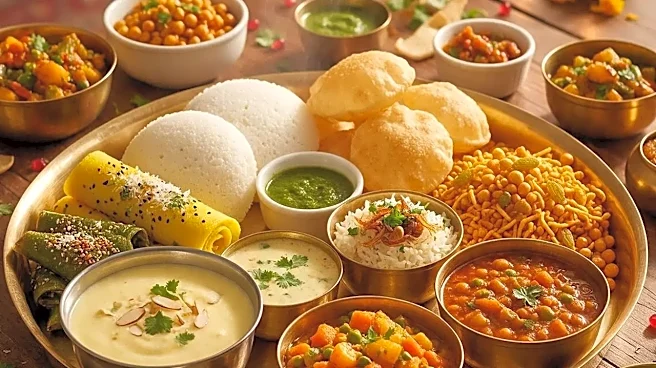
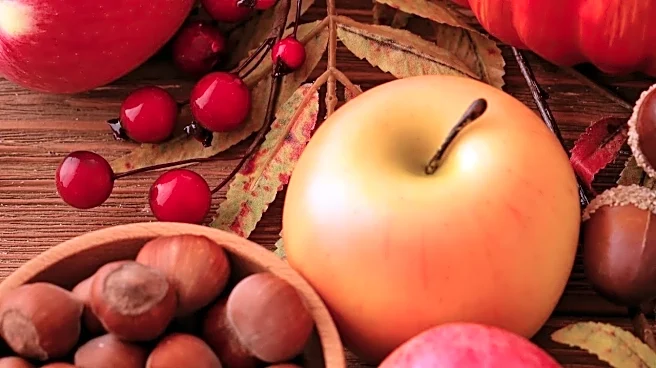
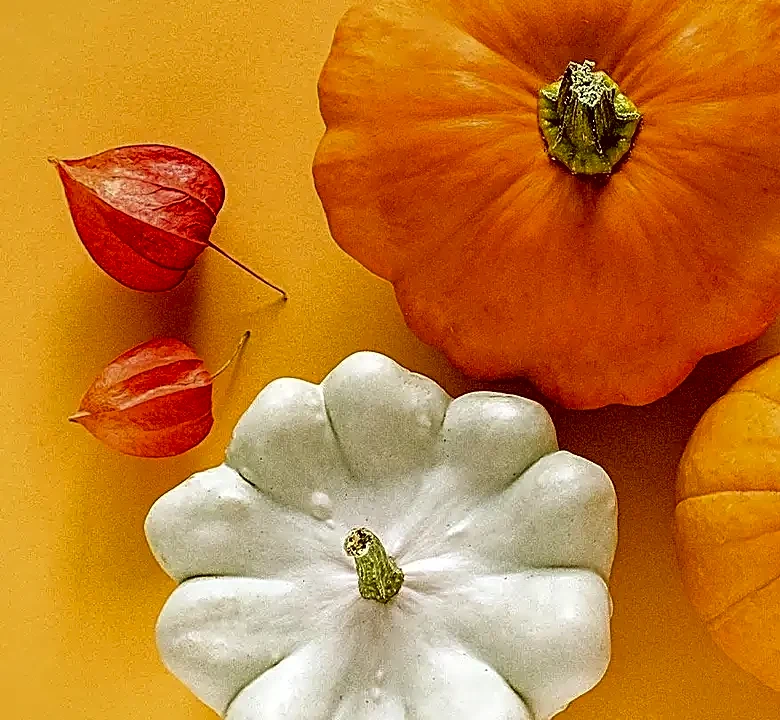
colonist Edward Winslow's more detailed account only mentions 'fowl'. The centerpiece of the meal was actually venison. The Wampanoag guests, who outnumbered the colonists nearly two to one, went out and returned with five deer. Other likely dishes included seafood like eel, lobster, and clams, along with flint corn, squash, and nuts. Modern staples like potatoes and pumpkin pie were absent, as the colonists lacked ovens, wheat flour, and butter for a pie crust.
Myth 3: The Wampanoag were invited guests.
The sanitized story depicts the Pilgrims extending a friendly dinner invitation, but the reality was more complicated. The Wampanoag didn't receive a formal invite. Instead, historians believe that when the 90 Wampanoag men, led by their sachem (leader) Massasoit, showed up, it was because they heard the colonists firing their guns in celebration. Fearing they were under attack, they arrived as a military precaution. Once it was clear there was no battle, they were welcomed to the feast, which lasted for three days. It was less a planned dinner party and more an impromptu diplomatic encounter.
Myth 4: It was the 'First Thanksgiving.'
The participants in the 1621 feast did not call it 'Thanksgiving'. For the deeply religious Pilgrims, a day of thanksgiving was a solemn affair of prayer and fasting, not feasting. Their three-day celebration was a secular English harvest festival. Furthermore, it wasn't the first such event in North America. Spanish settlers held a thanksgiving service in Florida in 1565, and English colonists did the same in Virginia in 1619. The 1621 event also didn't start an annual tradition. The modern national holiday was established much later, in 1863, by President Abraham Lincoln, largely due to the campaign of writer Sarah Josepha Hale.
Myth 5: It marked a lasting, peaceful friendship.
The 1621 feast represents a moment of cooperation, but it was a fragile alliance born of mutual desperation. The Pilgrims, having barely survived their first winter, were weak. The Wampanoag nation had been devastated by a recent plague and saw the colonists' firepower as a strategic advantage against their rivals, the Narragansett. This peace was short-lived. As more English settlers arrived, tensions over land and resources grew, eventually erupting into the devastating King Philip's War in 1675, a conflict that shattered the alliance and ultimately cost the Wampanoag their political independence.