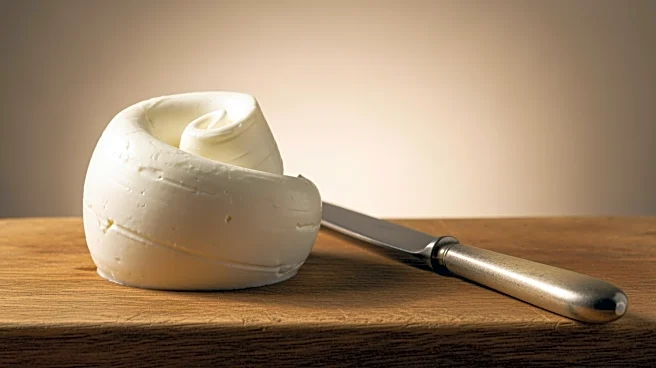




Cream cheese is a beloved dairy product known for its soft texture and mild taste. Its journey from a simple cheese to a staple in many households is a fascinating story of innovation and adaptation. This article delves into the origins of cream cheese, its development over the years, and how it became a popular choice in kitchens worldwide.
Early Beginnings
The story of cream cheese begins in the United States in the 1870s. William A. Lawrence, a dairyman from Chester,
New York, is credited with the mass production of this unripened fresh cheese. Initially, Lawrence was producing a Neufchâtel cheese style, but by adding cream to the process, he developed a richer cheese that he named "cream cheese." This innovation marked the beginning of cream cheese as we know it today.
In 1877, Lawrence created the first brand of cream cheese, which featured a logo of a cow silhouette followed by the words "Neufchatel & Cream Cheese." This branding helped establish cream cheese as a distinct product in the dairy market. By 1880, the cheese was being sold under the name "Philadelphia Cream Cheese," a name that would become synonymous with quality cream cheese.
Expansion and Branding
The popularity of cream cheese grew rapidly, leading to increased demand. In 1880, Alvah Reynolds, a New York cheese distributor, began selling Lawrence's cheese under the Philadelphia brand. Despite common misconceptions, the cheese was not produced in Philadelphia, Pennsylvania, or Philadelphia, New York. The name was chosen to capitalize on the reputation of Philadelphia for high-quality dairy products.
As demand continued to rise, Reynolds turned to Charles Green, another Chester dairyman, to help meet the growing need for cream cheese. By the early 1880s, several brands of cream cheese had emerged, including Star, World, and Globe. The turn of the 20th century saw even more brands entering the market, such as Triple Cream, Eagle, and Empire.
Modern Developments
In 1892, Reynolds purchased the Empire Cheese Co. to produce cheese under the Philadelphia label. However, when the factory burned down in 1900, he partnered with the newly formed Phenix Cheese Company. In 1903, Reynolds sold the rights to the Philadelphia brand name to Phenix, which later merged with Kraft in 1928.
Today, Philadelphia Cream Cheese remains a leading brand, known for its quality and versatility. It is used in a variety of dishes, from bagels to desserts, and continues to be a favorite in households around the world. The evolution of cream cheese from a local product to a global brand is a testament to its enduring appeal and adaptability.