

The Monza Circuit, known for its high-speed thrills, has also been a focal point for discussions on safety in motorsport. Over the years, the circuit has seen numerous changes aimed at improving safety for drivers and spectators alike. These changes reflect the broader evolution of safety standards in racing, highlighting the ongoing efforts to balance speed with safety.
Early Safety Concerns and Tragic Incidents
From its inception in 1922, the Monza Circuit was designed for speed, but this
focus on high-speed racing came with significant safety challenges. The early years of racing at Monza were marked by several tragic incidents, including the 1928 Italian Grand Prix, where a crash resulted in the deaths of driver Emilio Materassi and 27 spectators. This incident underscored the need for improved safety measures at the circuit.
In the 1950s and 1960s, as cars became faster, the risks associated with high-speed racing at Monza increased. The 1961 Italian Grand Prix was particularly tragic, with the death of Wolfgang von Trips and 15 spectators. These incidents highlighted the dangers of racing at such high speeds and prompted calls for changes to improve safety at the circuit.
Implementing Safety Measures
In response to these safety concerns, Monza underwent several modifications aimed at reducing risks. In the 1970s, chicanes were introduced to slow down the cars and reduce the likelihood of high-speed crashes. The Variante del Rettifilo and Variante Ascari were added to the circuit, altering its layout to prioritize safety without compromising the essence of high-speed racing.
Further changes were made in the 1980s and 1990s, with the addition of new kerbs, extended run-off areas, and improved barriers. These modifications were part of a broader effort to enhance safety standards across motorsport, reflecting the growing awareness of the need to protect drivers and spectators.
Modern Safety Standards and Challenges
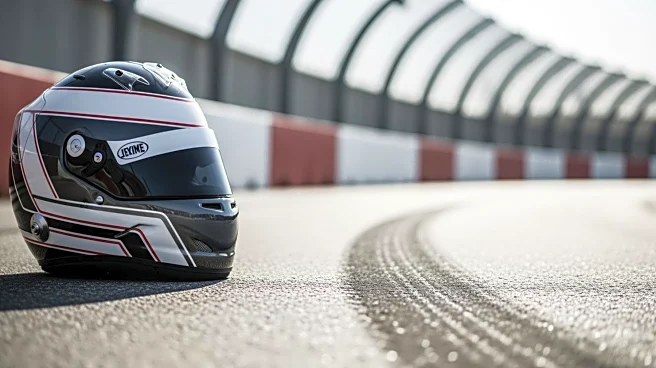
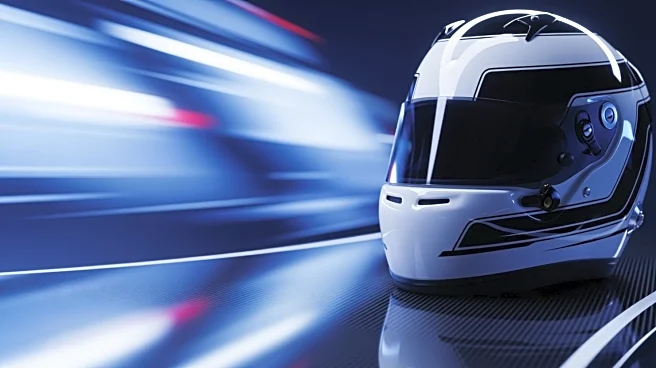
Today, the Monza Circuit continues to evolve in response to safety challenges. The circuit's layout has been adjusted to accommodate the latest racing technologies and safety standards. The introduction of the Halo device in Formula One, for example, has been a significant advancement in driver safety, providing additional protection in the event of a crash.
Despite these improvements, Monza remains a challenging circuit, with its high-speed nature continuing to test the limits of both cars and drivers. The circuit's long straights and tight chicanes require precise handling and braking, and any mistake can have serious consequences. As a result, safety remains a top priority for organizers, with ongoing efforts to ensure that Monza remains a safe and exciting venue for motorsport.
The evolution of safety at the Monza Circuit reflects the broader changes in motorsport, highlighting the ongoing commitment to balancing speed with safety. As technology continues to advance, Monza will likely see further changes aimed at enhancing safety while preserving the thrill of high-speed racing. The circuit's history and ongoing efforts to improve safety make it a fascinating case study in the evolution of motorsport safety standards.