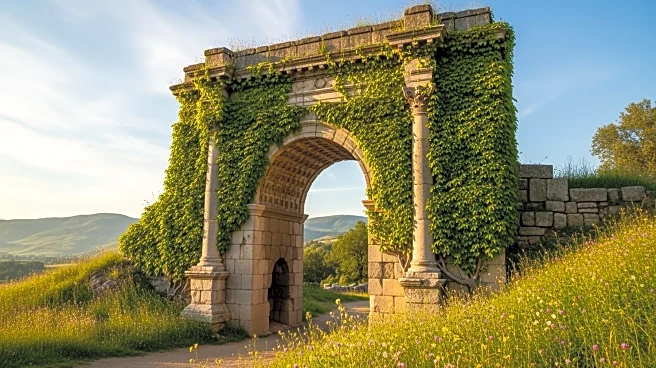




France is home to an impressive array of UNESCO World Heritage Sites, each offering a glimpse into the country's rich cultural and historical tapestry. With 45 sites inscribed on the list, France boasts a diverse collection of landmarks that attract millions of visitors each year. This article explores the significance and variety of these sites, highlighting their cultural importance and appeal to tourists.
Cultural Significance
The UNESCO World Heritage Sites in France
are a testament to the country's rich cultural heritage and historical significance. These sites include a wide range of landmarks, from ancient Roman structures to medieval cathedrals and Renaissance châteaux. Each site offers a unique insight into the different periods of French history, showcasing the architectural and artistic achievements of past civilizations.
One of the most iconic sites is the Palace of Versailles, a symbol of the absolute monarchy of the Ancien Régime. Its opulent architecture and expansive gardens reflect the grandeur of the French royal court. Another notable site is the historic center of Avignon, which includes the Palais des Papes, a testament to the city's role as a center of the Catholic Church in the 14th century.
Variety of Sites
France's UNESCO World Heritage Sites are not limited to historical buildings; they also include natural landscapes and cultural landscapes that highlight the country's diverse geography. The Loire Valley, for example, is renowned for its stunning châteaux and picturesque vineyards, offering a blend of natural beauty and cultural heritage.
The prehistoric sites and decorated caves of the Vézère Valley provide a fascinating glimpse into early human history, with their ancient rock art and archaeological significance. Meanwhile, the Mont-Saint-Michel and its bay are celebrated for their unique natural setting and medieval architecture, drawing visitors from around the world.
Tourist Appeal
The UNESCO designation not only recognizes the cultural and historical value of these sites but also enhances their appeal to tourists. Visitors are drawn to the opportunity to explore these remarkable landmarks, each offering a unique experience and insight into France's past.
Tourism to these sites contributes significantly to the local economies, supporting jobs and businesses in the surrounding areas. The influx of visitors also helps to fund the preservation and maintenance of these sites, ensuring their protection for future generations.
In conclusion, France's UNESCO World Heritage Sites are a vital part of the country's cultural landscape, offering a diverse array of attractions that captivate tourists and preserve the nation's rich history. From architectural marvels to natural wonders, these sites continue to draw visitors from around the globe, contributing to France's status as a leading tourist destination.